Kirjojen hintavertailu – 12 871 288 kirjaa ja 27 kauppaa

Kirjailija

Cecil R. Reynolds

Kirjat ja teokset yhdessä paikassa: 11 kirjaa, julkaisuja vuosilta 1989–2022, suosituimpiin kuuluu Mastering Modern Psychological Testing. Vertaile teosten hintoja ja tarkista saatavuus suomalaisista kirjakaupoista.

11 kirjaa

Kirjojen julkaisuvuodet: 1989–2022.

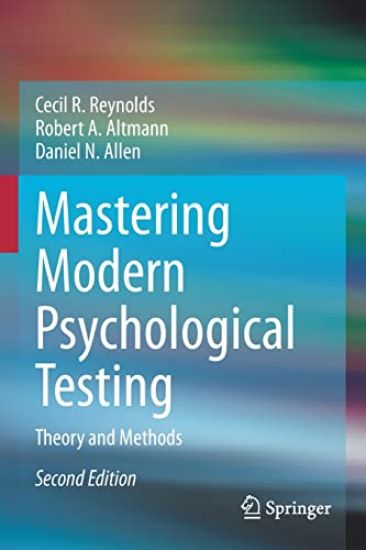
Mastering Modern Psychological Testing

Mastering Modern Psychological Testing

Cecil R. Reynolds; Robert A. Altmann; Daniel N. Allen

Springer Nature Switzerland AG
2022
nidottu
This book provides a comprehensive introduction to psychological assessment and covers areas not typically addressed in existing test and measurements texts, such as neuropsychological assessment and the use of tests in forensics settings. The book introduces the vocabulary of the profession and the most basic mathematics of testing early as being fundamental to understanding the field. Numerous examples are drawn from tests that the authors have written or otherwise helped to develop, reflecting the authors’ deep understanding of these tests and their familiarity with problems encountered in test development, use, and interpretation. Following the introduction of the basic areas of psychometrics, the book moves to areas of testing that represent various approaches to measuring different psychological constructs (memory, language, executive function, etc.), with emphasis on the complex issue of cultural bias in testing. Examples of existing tests are given throughout the book; however, this book is not designed to prepare students to go out and administer, score, and interpret specific psychological tests. Rather, the purpose of this book is to provide the foundational core of knowledge about tests, measurement, and assessment constructs, issues, and quantitative tools. Explains what constitutes a psychological test, how tests are developed, how they are best used, and how to evaluate their strengths and weaknesses;Describes areas of testing that represent different approaches to measuring different psychological constructs;Explains applications of psychological testing to issues in the courts;Addresses how test authors and publishers design and research tests to address the difficult and demanding issues of cultural differences in test performance and interpretation of test results.
Mastering Modern Psychological Testing

Mastering Modern Psychological Testing

Cecil R. Reynolds; Robert A. Altmann; Daniel N. Allen

Springer Nature Switzerland AG
2021
sidottu
This book provides a comprehensive introduction to psychological assessment and covers areas not typically addressed in existing test and measurements texts, such as neuropsychological assessment and the use of tests in forensics settings. The book introduces the vocabulary of the profession and the most basic mathematics of testing early as being fundamental to understanding the field. Numerous examples are drawn from tests that the authors have written or otherwise helped to develop, reflecting the authors’ deep understanding of these tests and their familiarity with problems encountered in test development, use, and interpretation. Following the introduction of the basic areas of psychometrics, the book moves to areas of testing that represent various approaches to measuring different psychological constructs (memory, language, executive function, etc.), with emphasis on the complex issue of cultural bias in testing. Examples of existing tests are given throughout the book; however, this book is not designed to prepare students to go out and administer, score, and interpret specific psychological tests. Rather, the purpose of this book is to provide the foundational core of knowledge about tests, measurement, and assessment constructs, issues, and quantitative tools. Explains what constitutes a psychological test, how tests are developed, how they are best used, and how to evaluate their strengths and weaknesses;Describes areas of testing that represent different approaches to measuring different psychological constructs;Explains applications of psychological testing to issues in the courts;Addresses how test authors and publishers design and research tests to address the difficult and demanding issues of cultural differences in test performance and interpretation of test results.
Handbook of Clinical Child Neuropsychology

Handbook of Clinical Child Neuropsychology

Cecil R. Reynolds; Elaine Fletcher-Janzen

Springer-Verlag New York Inc.
2013
nidottu
The past decade has brought important advances in our understanding of the brain, particularly its influence on the behavior, emotions, and personality of children and adolescents. In the tradition of its predecessors, the third edition of the Handbook of Clinical Child Neuropsychology enhances this understanding by emphasizing current best practice, up-to-date science, and emerging theoretical trends for a comprehensive review of the field. Along with the Handbook’s impressive coverage of normal development, pathology, and professional issues, brand-new chapters highlight critical topics in assessment, diagnostic, and treatment, including, The role and prevalence of brain dysfunction in ADHD, conduct disorder, the autistic spectrum, and other childhood disorders; The neuropsychology of learning disabilities; Assessment of Spanish-speaking children and youth; Using the PASS (planning, attention, simultaneous, successive) theory in neurological assessment; Forensic child neuropsychology; Interventions for pediatric coma. With singular range, timeliness, and clarity, the newly updated Handbook of Clinical Child Neuropsychology reflects and addresses the ongoing concerns of practitioners as diverse as neuropsychologists, neurologists, clinical psychologists, pediatricians, and physical and speech-language therapists.
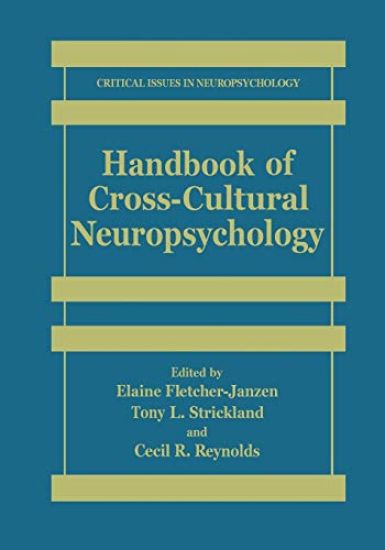
Handbook of Cross-Cultural Neuropsychology

Handbook of Cross-Cultural Neuropsychology

Elaine Fletcher-Janzen; Tony L. Strickland; Cecil R. Reynolds

Springer-Verlag New York Inc.
2012
nidottu
Historically, relatively few investigations in neuropsychology have been sensitive to the analysis of cultural variables. This handbook will assist the neuropsychologist interested in cultural competence and help increase understanding of the link between cultural competence in assessment and intervention and good treatment outcomes. The handbook authors provide an in-depth discussion of the current status of multicultural training in neuropsychology; specific information on diverse groups (age, gender, ethnicity, etc.), assessment instruments, and clinical populations (HIV infected, seizure disorders, brain injuries); and unique analysis of immigration patterns, forensics, and psychopharmacology. This volume is the first to summarize the cultural data available in neuropsychology. A valuable resource for clinical neuropsychologists, school psychologists and rehabilitation professionals.
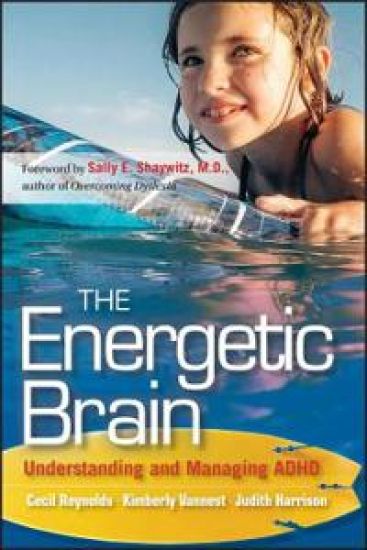
The Energetic Brain

The Energetic Brain

Cecil R. Reynolds; Kimberly J. Vannest; Judith R. Harrison; Sally E. Shaywitz

John Wiley Sons Inc
2012
nidottu
How to get past the myths, tap into the creativity of the ADHD mind, and thrive ADHD affects millions of people-some 3 to 5% of the general population. Written by a neuroscientist who has studied ADHD, a clinician who has diagnosed and treated it for 30 years, and a special educator who sees it daily, The Energetic Brain provides the latest information from neuroscience on how the ADHD brain works and shows how to harness its potential for success. It distills the latest research findings to give readers the most up-to-date information available and provides practical strategies for managing ADHD-and thriving-at school, at work, and at home, from childhood through adulthood. Debunks popular (and destructive) myths about ADHDCovers how to manage ADHD with medication or without, what parents can do to help, and how to thrive with ADHD throughout the lifespanOffers effective academic and behavioral interventions for school, and helpful accommodations for the workplace The Energetic Brain provides a truly thorough view of ADHD, making it an invaluable guide for parents, teachers, and those living with ADHD.
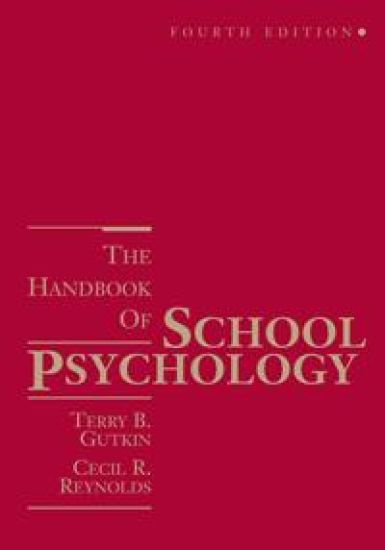
The Handbook of School Psychology

The Handbook of School Psychology

Terry B. Gutkin; Cecil R. Reynolds

John Wiley Sons Inc
2008
sidottu
The Fourth Edition of The Handbook of School Psychology continues the tradition of providing a unique and comprehensive outlet for disseminating the collective wisdom and insight of outstanding scholars working in the field of school psychology. This edition brings together the field's latest developments in research and practice, highlighting domains in which there has emerged both growing consensus and vibrant cross currents of thought and analysis. Featuring chapters with new foci, authors, and content, this edition showcases the trajectory of the field and is intended to lead students forward into an increasingly challenging and rewarding future.
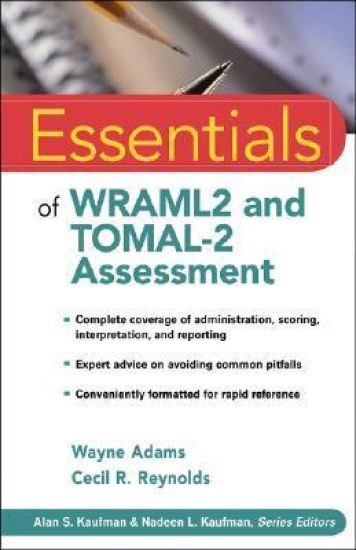
Essentials of WRAML2 and TOMAL-2 Assessment

Essentials of WRAML2 and TOMAL-2 Assessment

Wayne Adams; Cecil R. Reynolds

John Wiley Sons Inc
2008
nidottu
Essentials of WRAML2 and TOMAL-2 Assessment introduces professionals to these two widely used memory measurement batteries, both of which measure memory and are used to supplement evaluations of ADHD and reading problems in youngsters, as well as a number of other disorders across the age span. Written by Wayne Adams and Cecil Reynolds, this essential reference provides administration guidelines, including procedural suggestions and solutions for common problems examiners may encounter; expert assessment of each test?s relative strengths and weaknesses; valuable advice on clinical applications; and illuminating case reports.
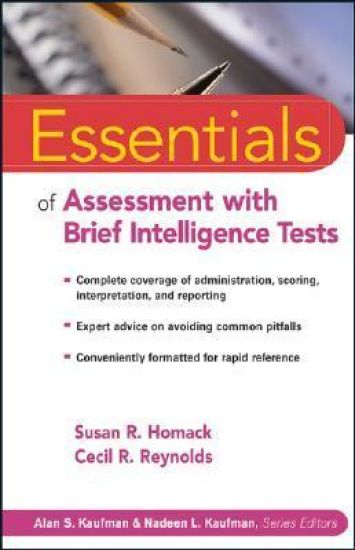
Essentials of Assessment with Brief Intelligence Tests

Essentials of Assessment with Brief Intelligence Tests

Susan R. Homack; Cecil R. Reynolds

John Wiley Sons Inc
2007
nidottu
Quickly acquire the knowledge and skills you need to confidently administer, score, and interpret various brief intelligence tests Essentials of Assessment with Brief Intelligence Tests efficiently presents, in the popular Essentials format, concise information on the range of brief intelligence tests that are used most often in school and clinical practices and provides an overview and definition of brief intelligence testing as well as its uses and limitations. Sample evaluations using brief intelligence tests are also included. This compact and easy-to-use book includes coverage of: * The Kaufman Brief Intelligence Test-Second Edition (KBIT-2) * Reynolds Intellectual Screening Test (RIST) * Wechsler Abbreviated Scale of Intelligence (WASI) * Wide Range Intelligence Test (WRIT) As part of the Essentials of Psychological Assessment series, this volume provides information mental health professionals need to practice knowledgably, efficiently, and ethically in today's behavioral healthcare environment. Each concise chapter features numerous callout boxes highlighting key concepts, bulleted points, and extensive illustrative material, as well as "Test Yourself" questions that help you gauge and reinforce your grasp of the information covered. Essentials of Assessment with Brief Intelligence Tests includes vital, yet succinct, information on the four most commonly used brief intelligence tests and equips clinicians including school psychologists, clinical psychologists, and learning specialists with the knowledge and skills to make optimal use of these important tests. Other titles in the Essentials of Psychological Assessment series: Essentials of Stanford-Binet Intelligence Scales (SB5) Assessment Essentials of WISC?-IV Assessment Essentials of WIAT?-II and KTEA-II Assessment Essentials of School Neuropsychological Assessment Essentials of WJ III Cognitive Abilities Assessment Essentials of WJ III Tests of Achievement Assessment Essentials of WPPSI-III Assessment Essentials of Cross-Battery Assessment Essentials of KABC-II Assessment Essentials of NEPSY? Assessment Essentials of Assessment Report Writing Essentials of WMS?-III Assessment
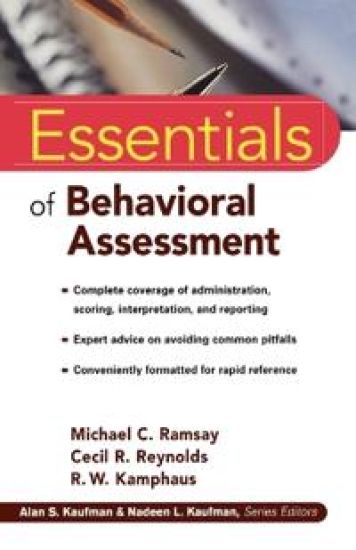
Essentials of Behavioral Assessment

Essentials of Behavioral Assessment

Michael C. Ramsay; Cecil R. Reynolds; R. W. Kamphaus

John Wiley Sons Inc
2002
nidottu
Quickly acquire the knowledge and skills you need to confidently administer, score, and interpret behavioral assessment tests Behavioral assessment tests analyze and assess a broad range of behavioral problems found among children and adolescents, including hyperactivity, impulsivity, and ADHD. To use these tests properly, professionals need an authoritative source of advice and guidance on how to administer, score, and interpret them. Cowritten by leading experts in the behavioral assessment field and the creators of the BASC (Behavioral Assessment System for Children), Essentials of Behavioral Assessment is that source. Like all the volumes in the Essentials of Psychological Assessment series, this book is designed to help busy mental health professionals quickly acquire the knowledge and skills they need to make optimal use of major psychological assessment instruments. Each concise chapter features numerous callout boxes highlighting key concepts, bulleted points, and extensive illustrative material, as well as test questions that help you gauge and reinforce your grasp of the information covered. Essentials of Behavioral Assessment is the first book to provide state-of-the-art interpretive and administrative guidelines to using the BASC, CRS-R (Conners’ Rating Scales-Revised), and CBCL (Achenbach Child Behavior Checklists), the leading and most highly recognized behavioral assessment tests used in the field. The authors also offer expert assessment of the tests’ merits and include classroom observations. Other titles in the Essentials of Psychological Assessment series: Essentials of WJ IIITM Tests of Achievement Assessment Essentials of WJ IIITM Cognitive Abilities Assessment Essentials of WMS®-III Assessment Essentials of Individual Achievement Assessment Essentials of Nepsy® Assessment Essentials of Cross-Battery Assessment Essentials of Cognitive Assessment with KAIT and Other Kaufman Measures Essentials of Nonverbal Assessment Essentials of WISC-III® and WPPSI-R® Assessment
Handbook of Cross-Cultural Neuropsychology

Handbook of Cross-Cultural Neuropsychology

Elaine Fletcher-Janzen; Tony L. Strickland; Cecil R. Reynolds

Kluwer Academic/Plenum Publishers
2000
sidottu
Historically, relatively few investigations in neuropsychology have been sensitive to the analysis of cultural variables. This handbook will assist the neuropsychologist interested in cultural competence and help increase understanding of the link between cultural competence in assessment and intervention and good treatment outcomes. The handbook authors provide an in-depth discussion of the current status of multicultural training in neuropsychology; specific information on diverse groups (age, gender, ethnicity, etc.), assessment instruments, and clinical populations (HIV infected, seizure disorders, brain injuries); and unique analysis of immigration patterns, forensics, and psychopharmacology. This volume is the first to summarize the cultural data available in neuropsychology. A valuable resource for clinical neuropsychologists, school psychologists and rehabilitation professionals.
Handbook of Clinical Child Neuropsychology

Handbook of Clinical Child Neuropsychology

Cecil R. Reynolds; Elaine Fletcher-Janzen

Kluwer Academic/Plenum Publishers
1989
sidottu
The past decade has brought important advances in our understanding of the brain, particularly its influence on the behavior, emotions, and personality of children and adolescents. In the tradition of its predecessors, the third edition of the Handbook of Clinical Child Neuropsychology enhances this understanding by emphasizing current best practice, up-to-date science, and emerging theoretical trends for a comprehensive review of the field. Along with the Handbook’s impressive coverage of normal development, pathology, and professional issues, brand-new chapters highlight critical topics in assessment, diagnostic, and treatment, including, The role and prevalence of brain dysfunction in ADHD, conduct disorder, the autistic spectrum, and other childhood disorders; The neuropsychology of learning disabilities; Assessment of Spanish-speaking children and youth; Using the PASS (planning, attention, simultaneous, successive) theory in neurological assessment; Forensic child neuropsychology; Interventions for pediatric coma. With singular range, timeliness, and clarity, the newly updated Handbook of Clinical Child Neuropsychology reflects and addresses the ongoing concerns of practitioners as diverse as neuropsychologists, neurologists, clinical psychologists, pediatricians, and physical and speech-language therapists.