
Kirjojen hintavertailu – 12 903 729 kirjaa ja 27 kauppaa

Kirjailija

Celen Pasalar

Kirjat ja teokset yhdessä paikassa: 2 kirjaa, julkaisuja vuodelta 2026, suosituimpiin kuuluu The Participatory Design Legacy of Henry Sanoff. Vertaile teosten hintoja ja tarkista saatavuus suomalaisista kirjakaupoista.

2 kirjaa

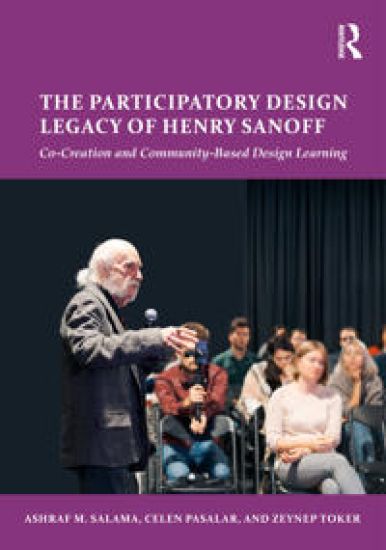
The Participatory Design Legacy of Henry Sanoff

The Participatory Design Legacy of Henry Sanoff

Ashraf M. Salama; Celen Pasalar; Zeynep Toker

TAYLOR FRANCIS LTD
2026
sidottu
The Participatory Design Legacy of Henry Sanoff: Co-Creation and Community-Based Design Learning explores the enduring influence of Henry Sanoff’s pioneering work in participatory design and community engagement. For more than six decades, Sanoff has reshaped how architects, planners, educators, and communities collaborate in the designing and planning environments that shape everyday life. This book reflects on that legacy while demonstrating how his ideas continue to inform and transform education in diverse fields including architecture, landscape architecture, and urban design and planning. Through reflections, scholarly contributions, and case-based insights, it shows how participatory processes, rooted in dialogue, empathy, and shared authorship, reposition communities as active partners in defining the environments they inhabit. Drawing on the experiences of Sanoff’s protégés, colleagues, and collaborators, the authors explore how participatory design has influenced architectural and planning education across diverse cultural and geographic contexts in both Eastern and Western settings. The book presents a rich range of cases involving schools, neighbourhoods, workplaces, and community facilities, demonstrating how participatory approaches connect students and professionals with communities in meaningful ways. Methods such as design workshops, charrettes, design games, walking tours, and community assessments illustrate how dialogue between designers and citizens can lead to more inclusive processes and responsive design outcomes. These examples highlight the pedagogical value of co-creation as a powerful form of community-based learning. More than a reflection on Sanoff’s legacy, the book is a forward-looking call to action. It invites educators, students, architects, urban designers, and scholars to continue advancing participatory practices in architectural and planning education and practice. Placing emphasis on collaboration, community knowledge, and democratic engagement, the book offers both inspiration and pedagogical and professional insights for those committed to designing more inclusive and socially responsive environments.
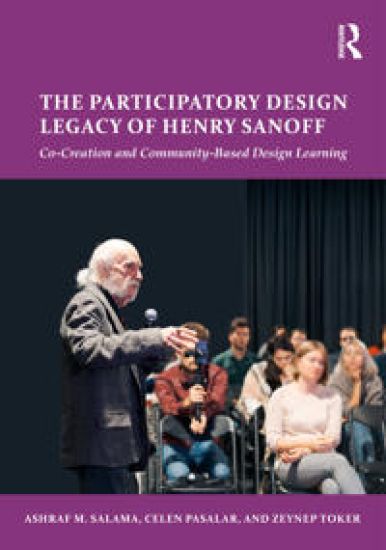
The Participatory Design Legacy of Henry Sanoff

The Participatory Design Legacy of Henry Sanoff

Ashraf M. Salama; Celen Pasalar; Zeynep Toker

TAYLOR FRANCIS LTD
2026
nidottu
The Participatory Design Legacy of Henry Sanoff: Co-Creation and Community-Based Design Learning explores the enduring influence of Henry Sanoff’s pioneering work in participatory design and community engagement. For more than six decades, Sanoff has reshaped how architects, planners, educators, and communities collaborate in the designing and planning environments that shape everyday life. This book reflects on that legacy while demonstrating how his ideas continue to inform and transform education in diverse fields including architecture, landscape architecture, and urban design and planning. Through reflections, scholarly contributions, and case-based insights, it shows how participatory processes, rooted in dialogue, empathy, and shared authorship, reposition communities as active partners in defining the environments they inhabit. Drawing on the experiences of Sanoff’s protégés, colleagues, and collaborators, the authors explore how participatory design has influenced architectural and planning education across diverse cultural and geographic contexts in both Eastern and Western settings. The book presents a rich range of cases involving schools, neighbourhoods, workplaces, and community facilities, demonstrating how participatory approaches connect students and professionals with communities in meaningful ways. Methods such as design workshops, charrettes, design games, walking tours, and community assessments illustrate how dialogue between designers and citizens can lead to more inclusive processes and responsive design outcomes. These examples highlight the pedagogical value of co-creation as a powerful form of community-based learning. More than a reflection on Sanoff’s legacy, the book is a forward-looking call to action. It invites educators, students, architects, urban designers, and scholars to continue advancing participatory practices in architectural and planning education and practice. Placing emphasis on collaboration, community knowledge, and democratic engagement, the book offers both inspiration and pedagogical and professional insights for those committed to designing more inclusive and socially responsive environments.