Kirjailija
Chad Meister
Kirjat ja teokset yhdessä paikassa: 15 kirjaa, julkaisuja vuosilta 2009–2026, suosituimpiin kuuluu Christian Thought. Vertaile teosten hintoja ja tarkista saatavuus suomalaisista kirjakaupoista.
15 kirjaa
Kirjojen julkaisuvuodet: 2009–2026.
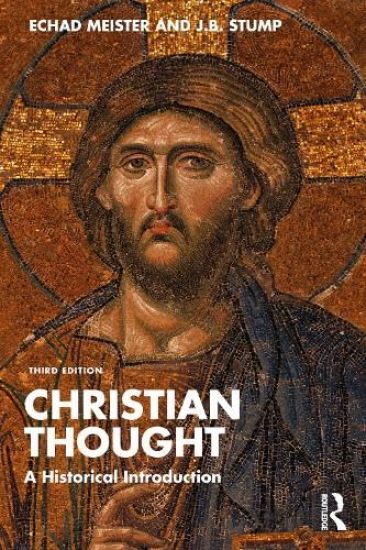
Christian Thought: A Historical Introduction offers a clear and engaging overview of the major ideas, figures, and movements that have shaped Christian theology from the early Church to the present day. Now in its third edition, this accessible and engaging book introduces readers to the historical development of Christian thought, emphasizing how theology has been shaped by—and has responded to—changing cultural, philosophical, and political contexts. This new edition features expanded coverage of Eastern Orthodoxy, the Reformation beyond Calvin, and the global expressions of Christianity that have come to the fore in recent decades. It also offers greater attention to the theological contributions of women and includes updated chapters on the Bible and the Trinity. Supplementary visuals help contextualize the material, making this an excellent resource for both classroom use and personal study. Written in clear, student-friendly language and assuming no prior background in theology, Christian Thought is both intellectually serious and widely accessible. Readers will be guided through the rich and complex journey of Christian ideas, and understand why they continue to matter today.

The History of Evil in Antiquity
Tom Angier; Chad Meister; Charles Taliaferro
Taylor Francis Ltd
2021
nidottu
This first volume of The History of Evil covers Graeco-Roman, Indian, Near Eastern, and Eastern philosophy and religion from 2000 BCE to 450 CE. This book charts the foundations of the history of evil among the major philosophical traditions and world religions, beginning with the oldest recorded traditions: the Vedas and Upani?ads, Confucianism and Daoism, and Buddhism, and continuing through Graeco-Roman and Judaeo-Christian schools of thought. This cutting-edge treatment of the history of evil at its crucial and determinative inception will appeal to those with particular interests in the ancient period and early theories and ideas of evil and good, as well as those seeking an understanding of how later philosophical and religious developments were conditioned and shaped.
"What is this that you have done?" Throughout the church's history, Christians have largely agreed that God's good creation of humanity was marred by humanity's sinful rebellion, resulting in our separation from God and requiring divine intervention in the saving work of Christ. But Christians have disagreed over many particular questions surrounding humanity's fall, including the extent of original sin, the nature of the fall, the question of guilt, how to interpret the narratives from Genesis, and how these questions relate to our understanding of human origins and modern science. This Spectrum Multiview book presents five views on these questions: Augustinian-Reformed, Moderate Reformed, Wesleyan, Eastern Orthodox, and a Reconceived view. Each contributor offers both an articulation of their own view and responses to the other views in question. The result is a robust reflection on one of the most central—and controversial—tenets of the faith. Views and Contributors: An Augustinian-Reformed View (Hans Madueme, Covenant College)A Moderate Reformed View (Oliver Crisp, The University of St. Andrews)A Wesleyan View (Joel B. Green, Fuller Theological Seminary)An Eastern Orthodox View (Andrew Louth, Durham University)A Reconceived View (Tatha Wiley, University of St. Thomas) Spectrum Multiview Books offer a range of viewpoints on contested topics within Christianity, giving contributors the opportunity to present their position and also respond to others in this dynamic publishing format.
The History of Evil in Antiquity
Tom Angier; Chad Meister; Charles Taliaferro
Routledge
2018
sidottu
This first volume of The History of Evil covers Graeco-Roman, Indian, Near Eastern, and Eastern philosophy and religion from 2000 BCE to 450 CE. This book charts the foundations of the history of evil among the major philosophical traditions and world religions, beginning with the oldest recorded traditions: the Vedas and Upani?ads, Confucianism and Daoism, and Buddhism, and continuing through Graeco-Roman and Judaeo-Christian schools of thought. This cutting-edge treatment of the history of evil at its crucial and determinative inception will appeal to those with particular interests in the ancient period and early theories and ideas of evil and good, as well as those seeking an understanding of how later philosophical and religious developments were conditioned and shaped.
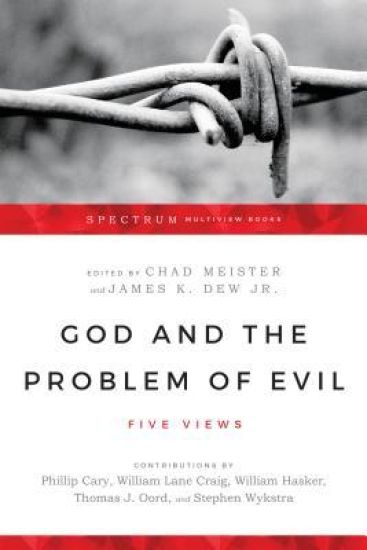
God and the Problem of Evil – Five Views
Chad Meister; James K. Dew Jr.
Inter-Varsity Press,US
2017
nidottu
Halvin toimitettuna 35,70 €
Evil abounds. And so do the attempts to understand God in the face of such evil. The problem of evil is a constant challenge to faith in God. How can we believe in a loving and powerful God given the existence of so much suffering in the world? Philosophers and theologians have addressed this problem countless times over the centuries. New explanations have been proposed in recent decades drawing on resources in Scripture, theology, philosophy, and science. This Spectrum Multiview volume stages a dialogue between the five key positions in the current debate: Phillip Cary: A Classic ViewWilliam Lane Craig: A Molinist ViewWilliam Hasker: An Open Theist ViewThomas Jay Oord: An Essential Kenosis ViewStephen Wykstra: A Skeptical Theism View According to the classic position, associated especially with the Augustinian tradition, God permits evil and suffering as part of the grand narrative of divine providence to bring about the redemption of creation. Molinism modifies the classic view by adding God's middle knowledge to the picture, in which God has knowledge of what creatures would do in all possible worlds. Open theism rejects the determinism of the classic view in favor of an account of God as a risk-taker who does not know for sure what the future holds. Essential kenosis goes further in providing a comprehensive theodicy by arguing that God cannot control creatures and thus cannot unilaterally prevent evil. Skeptical theism rejects the attempt to provide a theodicy and instead argues that, if God exists, we should not expect to understand God's purposes. Edited and with an introduction by Chad Meister and James K. Dew Jr., God and the Problem of Evil hosts a generous and informative conversation on one of the most pressing issues in the Christian life. Spectrum Multiview Books offer a range of viewpoints on contested topics within Christianity, giving contributors the opportunity to present their position and also respond to others in this dynamic publishing format.
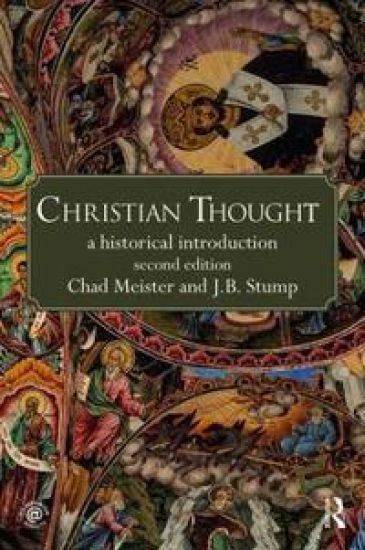
The story of Christian thought is essential to understanding Christian faith today and the last two millennia of world history. This fresh and lively introduction explores the central ideas, persons, events, and movements that gave rise to Christian thought, from early beginnings to its present forms. By highlighting the important but often neglected role of women and the influence of non-Christian ideas and movements, this book provides a broader context for understanding the history of Christian ideas and their role in shaping our world. Christian Thought: provides an overview of the context of Christianity’s origin, including discussion of the influence of Hebrews, Greeks, and Romans explores the major events and figures of the history of Christian thought, while drawing attention to significant voices which have often been suppressed analyses the impact on Christian thought of widely discussed events such as The Great Schism, the Scientific Revolution, and modernism surveys contemporary trends such as fundamentalism, feminism, and postmodernism. This fully revised and updated second edition features a new chapter on liberal theology and reflects recent scholarship in the field. Complete with figures, timelines and maps, this is an ideal resource for anyone wanting to learn more about the development of Christian thought and its influence over the centuries. Further teaching and learning resources are available on the companion website at www.routledge.com/cw/meister.
In Contemporary Philosophical Theology, Charles Taliaferro and Chad Meister focus on key topics in contemporary philosophical theology within Christianity, Islam, and Judaism, as well as Hinduism and Buddhism. The volume begins with a discussion of key methodological tools available to the philosophical theologian, such as faith and reason, science and religion, revelation and sacred scripture, and authority and tradition. The authors use these tools to explore subjects including language, ineffability, miracles, evil, and the afterlife. They also grapple with applied philosophical theology, including environmental concerns, interreligious dialogue, and the nature and significance of political values. A concluding discussion proposes that philosophical theology can contribute to important reflections and action concerning climate change.
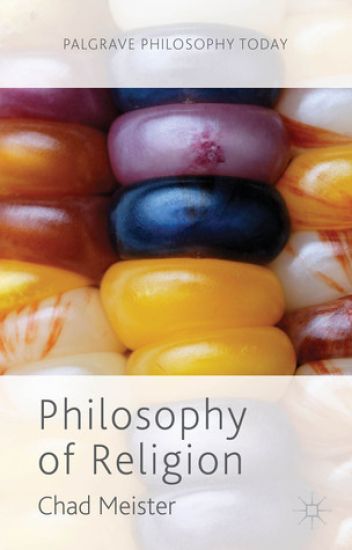
Philosophy of Religion provides an engaging analysis of the current state of play in philosophy of religion, focusing on several central issues in the field. It is inclusive in its approach and designed for students, but it will also be useful to scholars and others seeking such an evaluation and interpretation of this field.
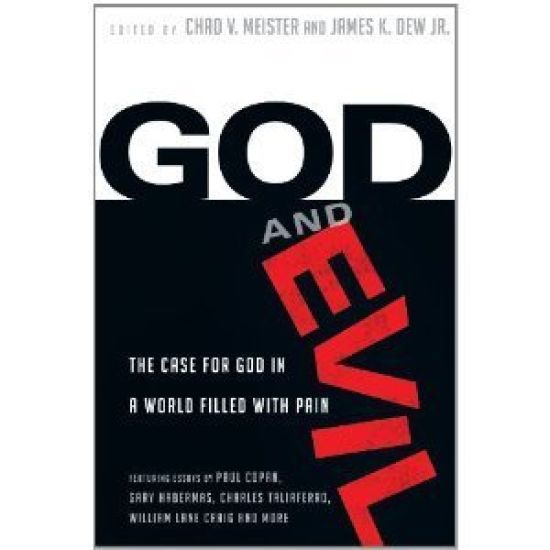
God and Evil – The Case for God in a World Filled with Pain
Chad Meister; James K. Dew Jr.
Inter-Varsity Press,US
2012
nidottu
The question of evil—its origins, its justification, its solution—has plagued humankind from the beginning. Every generation raises the question and struggles with the responses it is given. Questions about the nature of evil and how it is reconciled with the truth claims of Christianity are unavoidable; we need to be prepared to respond to such questions with great clarity and good faith. God and Evil compiles the best thinking on all angles on the question of evil, from some of the finest scholars in religion, philosophy and apologetics, including Gregory E. Ganssle and Yena LeeBruce LittleGarry DeWeeseR. Douglas GeivettJames SpiegelJill Graper HernandezWin CorduanDavid Beck With additional chapters addressing "issues in dialogue" such as hell and human origins, and a now-famous debate between evangelical philosopher William Lane Craig and atheist philosopher Michael Tooley, God and Evil provides critical engagement with recent arguments against faith and offers grounds for renewed confidence in the God who is "acquainted with grief."
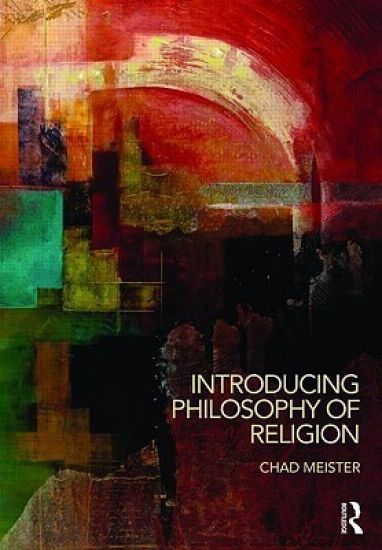
Does God exist? What about evil and suffering? How does faith relate to science? Is there life after death? These questions fascinate everyone and lie at the heart of philosophy of religion. Chad Meister offers an up-to-date introduction to the field, focussing not only on traditional debates but also on contemporary concepts such as the intelligent creator. Key topics, such as divine reality and the self and religious experience, are discussed in relation to different faiths. Introducing Philosophy of Religion:• offers a lucid overview of contemporary philosophy of religion• introduces the key figures in the history of philosophy of religion • explores the impact of religious diversity and pluralism • examines the main arguments for and against the existence of God and the nature of the divine • looks at science and issues of faith and reason • explores how the different religions approach the concept of life after death. The wealth of textbook features, including tables of essential information, questions for reflection, summaries, glossary and recommendations for further reading make the book ideal for student use. Along with its accompanying Reader, this is the perfect introductory package for undergraduate philosophy of religion courses. Visit the book's companion website at www.routledge.com/textbooks/9780415403276. Features include:an interactive glossarya timelinepowerpoint slides on all the chapterschapter outlineslists of objectives for study.