Kirjojen hintavertailu – 12 859 829 kirjaa ja 27 kauppaa

Kirjailija

Chandan Kumar Sarkar

Kirjat ja teokset yhdessä paikassa: 5 kirjaa, julkaisuja vuosilta 2014–2020, suosituimpiin kuuluu Low Power VLSI Design. Vertaile teosten hintoja ja tarkista saatavuus suomalaisista kirjakaupoista.

5 kirjaa

Kirjojen julkaisuvuodet: 2014–2020.

MEMS and Nanotechnology for Gas Sensors

MEMS and Nanotechnology for Gas Sensors

Sunipa Roy; Chandan Kumar Sarkar

CRC Press
2020
nidottu
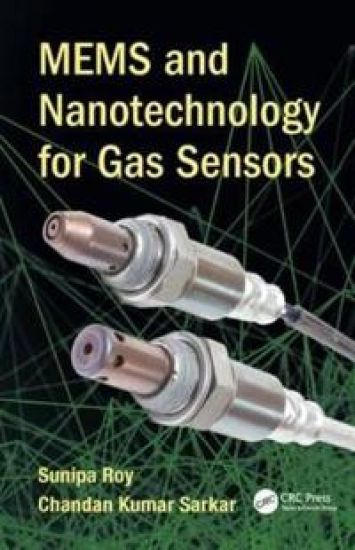
How Can We Lower the Power Consumption of Gas Sensors? There is a growing demand for low-power, high-density gas sensor arrays that can overcome problems relative to high power consumption. Low power consumption is a prerequisite for any type of sensor system to operate at optimum efficiency. Focused on fabrication-friendly microelectromechanical systems (MEMS) and other areas of sensor technology, MEMS and Nanotechnology for Gas Sensors explores the distinct advantages of using MEMS in low power consumption, and provides extensive coverage of the MEMS/nanotechnology platform for gas sensor applications. This book outlines the microfabrication technology needed to fabricate a gas sensor on a MEMS platform. It discusses semiconductors, graphene, nanocrystalline ZnO-based microfabricated sensors, and nanostructures for volatile organic compounds. It also includes performance parameters for the state of the art of sensors, and the applications of MEMS and nanotechnology in different areas relevant to the sensor domain. In addition, the book includes: An introduction to MEMS for MEMS materials, and a historical background of MEMSA concept for cleanroom technologyThe substrate materials used for MEMSTwo types of deposition techniques, including chemical vapour deposition (CVD)The properties and types of photoresists, and the photolithographic processesDifferent micromachining techniques for the gas sensor platform, and bulk and surface micromachiningThe design issues of a microheater for MEMS-based sensorsThe synthesis technique of a nanocrystalline metal oxide layerA detailed review about graphene; its different deposition techniques; and its important electronic, electrical, and mechanical properties with its application as a gas sensorLow-cost, low-temperature synthesis techniquesAn explanation of volatile organic compound (VOC) detection and how relative humidity affects the sensing parameters MEMS and Nanotechnology for Gas Sensors provides a broad overview of current, emerging, and possible future MEMS applications. MEMS technology can be applied in the automotive, consumer, industrial, and biotechnology domains.
Low Power VLSI Design

Low Power VLSI Design

Angsuman Sarkar; Swapnadip De; Manash Chanda; Chandan Kumar Sarkar

De Gruyter Oldenbourg
2016
sidottu
This book teaches basic and advanced concepts, new methodologies and recent developments in VLSI technology with a focus on low power design. It provides insight on how to use Tanner Spice, Cadence tools, Xilinx tools, VHDL programming and Synopsis to design simple and complex circuits using latest state-of-the art technologies. Emphasis is placed on fundamental transistor circuit-level design concepts.
MEMS and Nanotechnology for Gas Sensors

MEMS and Nanotechnology for Gas Sensors

Sunipa Roy; Chandan Kumar Sarkar

Productivity Press
2015
sidottu
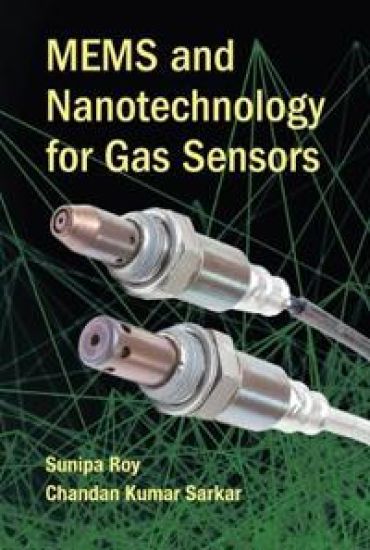
How Can We Lower the Power Consumption of Gas Sensors? There is a growing demand for low-power, high-density gas sensor arrays that can overcome problems relative to high power consumption. Low power consumption is a prerequisite for any type of sensor system to operate at optimum efficiency. Focused on fabrication-friendly microelectromechanical systems (MEMS) and other areas of sensor technology, MEMS and Nanotechnology for Gas Sensors explores the distinct advantages of using MEMS in low power consumption, and provides extensive coverage of the MEMS/nanotechnology platform for gas sensor applications. This book outlines the microfabrication technology needed to fabricate a gas sensor on a MEMS platform. It discusses semiconductors, graphene, nanocrystalline ZnO-based microfabricated sensors, and nanostructures for volatile organic compounds. It also includes performance parameters for the state of the art of sensors, and the applications of MEMS and nanotechnology in different areas relevant to the sensor domain. In addition, the book includes: An introduction to MEMS for MEMS materials, and a historical background of MEMSA concept for cleanroom technologyThe substrate materials used for MEMSTwo types of deposition techniques, including chemical vapour deposition (CVD)The properties and types of photoresists, and the photolithographic processesDifferent micromachining techniques for the gas sensor platform, and bulk and surface micromachiningThe design issues of a microheater for MEMS-based sensorsThe synthesis technique of a nanocrystalline metal oxide layerA detailed review about graphene; its different deposition techniques; and its important electronic, electrical, and mechanical properties with its application as a gas sensorLow-cost, low-temperature synthesis techniquesAn explanation of volatile organic compound (VOC) detection and how relative humidity affects the sensing parametersMEMS and Nanotechnology for Gas Sensors provides a broad overview of current, emerging, and possible future MEMS applications. MEMS technology can be applied in the automotive, consumer, industrial, and biotechnology domains.