Kirjojen hintavertailu – 12 903 725 kirjaa ja 27 kauppaa

Kirjailija

Charles A. Bonnici

Kirjat ja teokset yhdessä paikassa: 8 kirjaa, julkaisuja vuosilta 2011–2021, suosituimpiin kuuluu Remembering What's Important. Vertaile teosten hintoja ja tarkista saatavuus suomalaisista kirjakaupoista.

8 kirjaa

Kirjojen julkaisuvuodet: 2011–2021.

Principals and Teachers Can’t Do It All

Principals and Teachers Can’t Do It All

Charles A. Bonnici; Mark Cannizzaro

Rowman Littlefield
2021
sidottu
Today, the entire success of a school seems to be the responsibility of the principal and the teachers. The thesis of this book is that principals and teachers can only take a school so far because of other factors that also impact on the success or failure of a school: (1) Federal, state, local and district regulations and policies; (2) the physical plant and location of the school; (3) parents; (4) students; (5) the non-teaching staff. The book explores all these, but also has an underlying theme: MoneyIt is a cliché that if a school has more money, it will have better results. Monies allocated to education do have an impact, but poverty level and income inequality have an equal if not greater impact on school success on the national, state and local levels. Principals and teachers have absolutely no control on poverty and income inequality which negatively impact schools regardless of how dedicated and hard-working the pedagogical staff. After exploring the other factors impacting on school success, the book will look at teachers and principals, not from the viewpoint of what they can do, but the viewpoint of their limitations. Much of this is economic, leading to high staff turnover and therefore a lack of continuity in a school.

Principals and Teachers Can’t Do It All

Principals and Teachers Can’t Do It All

Charles A. Bonnici; Mark Cannizzaro

Rowman Littlefield
2020
nidottu
Today, the entire success of a school seems to be the responsibility of the principal and the teachers. The thesis of this book is that principals and teachers can only take a school so far because of other factors that also impact on the success or failure of a school: (1) Federal, state, local and district regulations and policies; (2) the physical plant and location of the school; (3) parents; (4) students; (5) the non-teaching staff. The book explores all these, but also has an underlying theme: MoneyIt is a cliché that if a school has more money, it will have better results. Monies allocated to education do have an impact, but poverty level and income inequality have an equal if not greater impact on school success on the national, state and local levels. Principals and teachers have absolutely no control on poverty and income inequality which negatively impact schools regardless of how dedicated and hard-working the pedagogical staff. After exploring the other factors impacting on school success, the book will look at teachers and principals, not from the viewpoint of what they can do, but the viewpoint of their limitations. Much of this is economic, leading to high staff turnover and therefore a lack of continuity in a school.
Becoming a School Leader

Becoming a School Leader

Charles A. Bonnici

Rowman Littlefield Education
2013
sidottu
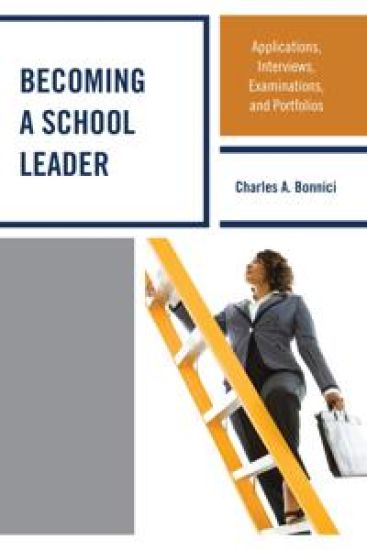
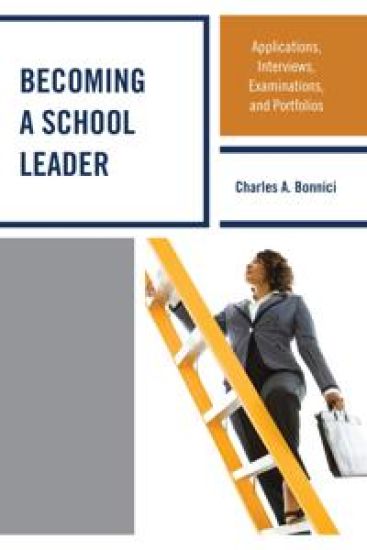
There are many master teachers who have excellent organizational and interpersonal relation skills who think about becoming assistant principals and principals. Becoming a School Leader is designed primarily for these master teachers as they contemplate the next step in their professional careers. It will help them decide if school leadership is their correct career pathway. Then it will provide them with the knowledge and skills they will need to navigate the process of finding a certification program and then applying for and obtaining school leadership positions. Becoming a School Leader is also addressed to those already in certification programs, providing a wealth of detailed information on the types of questions they might face on state examinations and in the arduous interview process. Professors of Educational Leadership could make use of this book as a supplementary text in both entry and exit courses. Finally, neophyte principals will find this book helpful as they develop their criteria and questions for the selection of assistant principals or department chairs in their schools.
Becoming a School Leader

Becoming a School Leader

Charles A. Bonnici

Rowman Littlefield Education
2013
nidottu
There are many master teachers who have excellent organizational and interpersonal relation skills who think about becoming assistant principals and principals. Becoming a School Leader is designed primarily for these master teachers as they contemplate the next step in their professional careers. It will help them decide if school leadership is their correct career pathway. Then it will provide them with the knowledge and skills they will need to navigate the process of finding a certification program and then applying for and obtaining school leadership positions. Becoming a School Leader is also addressed to those already in certification programs, providing a wealth of detailed information on the types of questions they might face on state examinations and in the arduous interview process. Professors of Educational Leadership could make use of this book as a supplementary text in both entry and exit courses. Finally, neophyte principals will find this book helpful as they develop their criteria and questions for the selection of assistant principals or department chairs in their schools.
Remembering What's Important

Remembering What's Important

Charles A. Bonnici

Rowman Littlefield Education
2011
sidottu
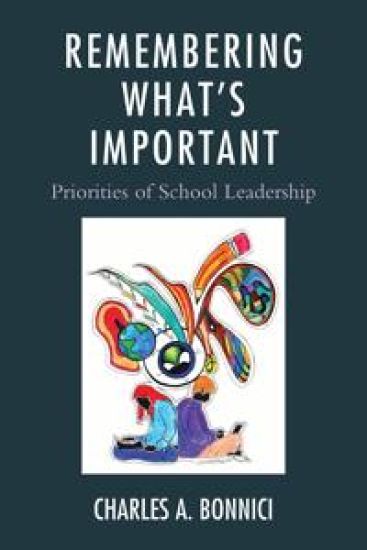
In Remembering What's Important: Priorities of School Leadership, Charles A. Bonnici addresses several issues facing school leaders through strategies supported by real-life examples and anecdotes. The issues addressed include questions such as: What is the most urgent issue faced by a new school leader? How can this leader address the chaos of being both a teacher trainer and evaluator? What are the school leader's personal responsibilities for hiring, training, and retaining staff? How does the school leader create a positive learning ambience in a school? How can this leader address the issues created by the physical plant of the building itself? How can a principal treat the difficult waters of the social and political context of the outside world that impacts on the school? How can a school leader insure that the management systems created within a school and the gains in student achievement accomplished are maintained and improved upon after he or she leaves the school?
Remembering What's Important

Remembering What's Important

Charles A. Bonnici

Rowman Littlefield Education
2011
nidottu
In Remembering What's Important: Priorities of School Leadership, Charles A. Bonnici addresses several issues facing school leaders through strategies supported by real-life examples and anecdotes. The issues addressed include questions such as: What is the most urgent issue faced by a new school leader? How can this leader address the chaos of being both a teacher trainer and evaluator? What are the school leader's personal responsibilities for hiring, training, and retaining staff? How does the school leader create a positive learning ambience in a school? How can this leader address the issues created by the physical plant of the building itself? How can a principal treat the difficult waters of the social and political context of the outside world that impacts on the school? How can a school leader insure that the management systems created within a school and the gains in student achievement accomplished are maintained and improved upon after he or she leaves the school?
Creating a Successful Leadership Style

Creating a Successful Leadership Style

Charles A. Bonnici; Bruce S. Cooper

Rowman Littlefield Education
2011
sidottu
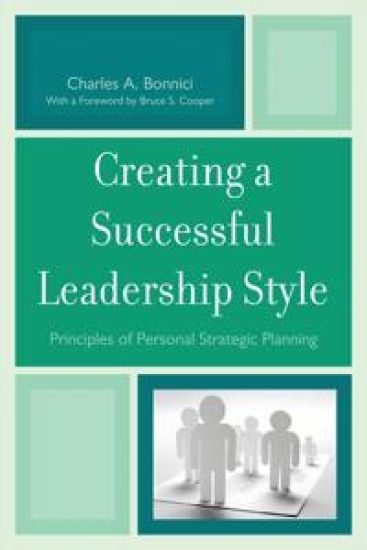
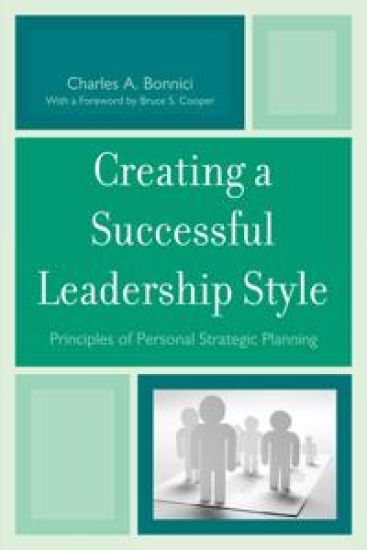
Creating a Successful Leadership Style gives practical applications supported by real experiences. It presents the actual situations a principal or assistant principal faces on a day-to-day basis and provides strategies to address them. These strategies derive from a leadership style that is people oriented and designed to elicit positive outcomes and responses. Charles A. Bonnici presents several principles of educational leadership which, taken together, help the school leader develop a leadership style that is people oriented, humane, and effective. In the course of the regular school day, a school leader is rarely asked what management theory is being implemented in a school. Instead, the principal and assistant principal are faced with a multitude of immediate and long-range problems and issues that need real-life solutions.
Creating a Successful Leadership Style

Creating a Successful Leadership Style

Charles A. Bonnici; Bruce S. Cooper

Rowman Littlefield Education
2011
nidottu
Creating a Successful Leadership Style gives practical applications supported by real experiences. It presents the actual situations a principal or assistant principal faces on a day-to-day basis and provides strategies to address them. These strategies derive from a leadership style that is people oriented and designed to elicit positive outcomes and responses. Charles A. Bonnici presents several principles of educational leadership which, taken together, help the school leader develop a leadership style that is people oriented, humane, and effective. In the course of the regular school day, a school leader is rarely asked what management theory is being implemented in a school. Instead, the principal and assistant principal are faced with a multitude of immediate and long-range problems and issues that need real-life solutions.