Kirjojen hintavertailu – 12 903 725 kirjaa ja 27 kauppaa

Kirjailija

Charles Arn

Kirjat ja teokset yhdessä paikassa: 5 kirjaa, julkaisuja vuosilta 1997–2013, suosituimpiin kuuluu When Not to Build. Vertaile teosten hintoja ja tarkista saatavuus suomalaisista kirjakaupoista.

5 kirjaa

Kirjojen julkaisuvuodet: 1997–2013.

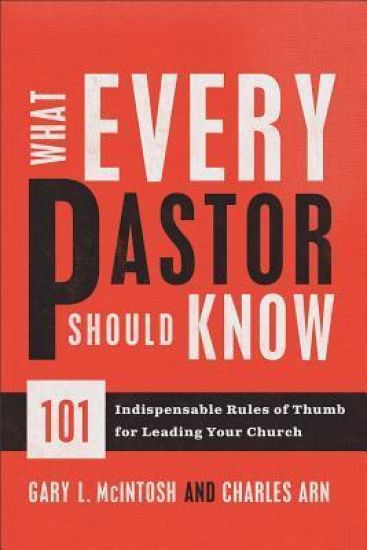
What Every Pastor Should Know – 101 Indispensable Rules of Thumb for Leading Your Church

What Every Pastor Should Know – 101 Indispensable Rules of Thumb for Leading Your Church

Gary L. McIntosh; Charles Arn

Baker Books, a division of Baker Publishing Group
2013
nidottu
Pastors and church leaders are constantly faced with strategic questions. How much staff does the church need? How many workers are needed in the nursery this month? When is the right time to start a second worship service? How many people should we train for evangelism this year? How does seating and parking impact worship attendance? When church leaders have questions about planning, running, or growing their churches, they need answers fast! What Every Pastor Should Know offers pastors and leaders 101 valuable rules and "sacred" laws to help answer real-life ministry questions. From advertising to facilities to visitation, this valuable book offers the practical help that leaders need, just when they need it most. This comprehensive guide will become one of the most valuable books in a leader's library. Never again will they wonder if they based critical decisions on the right information. They'll get the answers they're looking for all in one place.
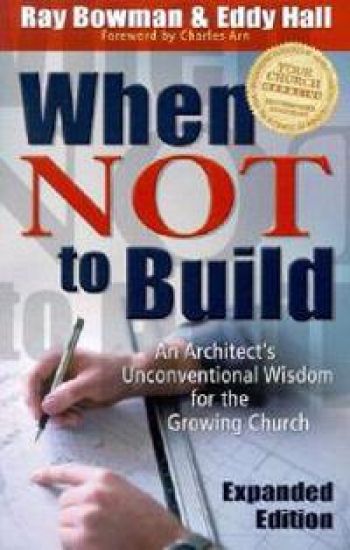
When Not to Build

When Not to Build

Ray Bowman; Eddy Hall; Charles Arn

Baker Books, a division of Baker Publishing Group
2000
nidottu
When Not to Build has helped numerous churches find wise and creative solutions to their space problems. The first edition garnered a Recommended Resource Award from Your Church magazine and won favorable reviews: "A useful book for churches that want to build, and a valuable contribution for those that want to focus on developing more effective ministries."--Reformed Review "Will edify any church leader in any phase of church growth." --Bookstore Journal Now this expanded edition takes into account the changing shape of the contemporary church with four new chapters, a new appendix, an added preface, and updated information throughout. In the authors' experience, nine out of ten churches that consider building have a better alternative. When Not to Build helps pastors, church leaders, building committees, and laypeople find those alternatives and avoid unnecessary expense. It also offers practical advice for keeping building costs at a minimum when it is the right time to build, as well as maintaining focus on ministry through a building program. Self-tests are included at the end of each chapter.
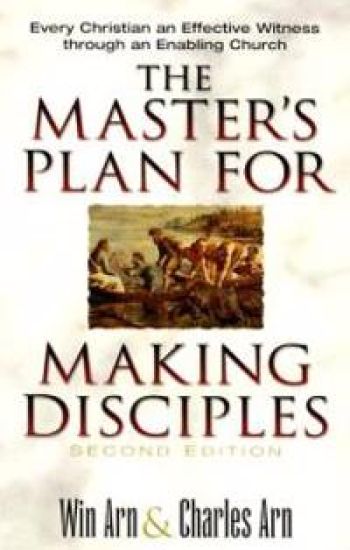
The Master`s Plan for Making Disciples – Every Christian an Effective Witness through an Enabling Church
Win and Charles Arn's book The Master's Plan for Making Disciples has been used by thousands of church leaders and laypeople to expand Christ's church. In a new edition of this influential work, the authors reaffirm their blueprint for effective Christian witness. "The strategy reviewed in this text," the authors explain, "uses the powerful principles of disciple-making exemplified and called for by our own Master. The Master's Plan for Making Disciples seeks to identify, illustrate, explain, and apply for you and your church both principles and practices which have produced and will continue to produce abundant results in the lives of individuals and churches." The Master's Plan for Making Disciples contends that instead of using canned approaches to sharing the gospel, individual Christians should focus on disciple-making as a part of their lifestyle, sharing their faith naturally within their own network of friends and relatives. According to the authors, throughout the history of the church this method has been the most successful in leading people to faith in Christ and membership in the church. The Arns suggest that this approach is the most effective avenue for witnessing because: * it provides a natural framework for sharing the good news * it makes people more receptive to the gospel * it allows for unhurried and natural sharing * it provides natural support when the friend or relative comes to Christ * it results in more effective assimilation of new converts into the church * it tends to win families * it provides a constantly enlarging source of new contacts * it is church-based After articulating principles for making disciples, the authors offer ideas for reaching friends and family, insights on how congregations can support evangelism, and suggestions for more effective incorporation of new converts into the church community. The second edition of The Master's Plan for Making Disciples features many helpful charts and several ten-minute Bible studies.
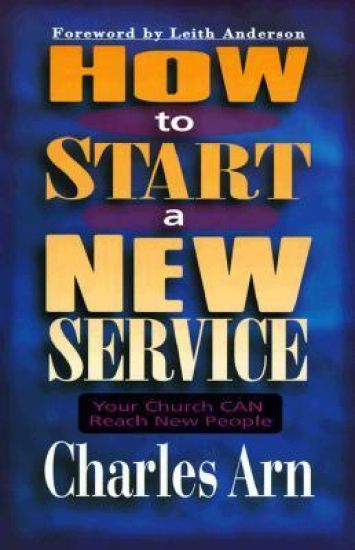
How to Start a New Service – Your Church Can Reach New People

How to Start a New Service – Your Church Can Reach New People

Charles Arn; Leith Anderson

Baker Books, a division of Baker Publishing Group
1997
nidottu
Based on a five-year study conducted by Church Growth, Inc. (Monrovia, Calif.), Charles Arn suggests that perhaps one-half of the churches in the United States should consider starting a new worship service immediately. Research of hundreds of churches that added new services to their existing programs showed that this is perhaps the single most effective way for a congregation to grow and reach new people. And for Arn, that is the fulfillment of what ought to be the most important goal for any church--reaching the unreached. The adjective "new" is, according to Arn, an important one. The key to growth is for churches to broaden their appeal beyond their current membership base by adding worship services that are substantially different. Readers will find useful guidelines and practical examples that illustrate methods successfully adopted in a number of churches as well as pitfalls that can be avoided. Both clergy and lay leaders will profit from the wealth of information presented here as they begin the planning process, gather support among congregational leaders, determine their target audience, and hold their first services.