
Kirjailija
Charles Bukowski
Kirjat ja teokset yhdessä paikassa: 173 kirjaa, julkaisuja vuosilta 1984–2026, suosituimpiin kuuluu Rakkaus on koira helvetistä. Vertaile teosten hintoja ja tarkista saatavuus suomalaisista kirjakaupoista.
173 kirjaa
Kirjojen julkaisuvuodet: 1984–2026.
Charles Bukowski was a uniguely talented and prolific writer, best known for his Beat Generation writing that reflected his experience of low life urban America. Selected Letters Volume 4 collects together correspondence with various friends, lovers and literary contacts, providing an intimate and fascinating insight into Bolowski's mind, his emotions and his attitude towards his own creativity, right up until his death in 1994.
'I wrote letters to many in those days ... it was rather my way of screaming from my cage.'The 1960's saw Charles Bukowski struggle for recognition and slowly emerge as a unique, talented and prolific poet and writer, whilst holding down a day job at the Post Office. During the 1970's and 80's Bukowski writes about his own fame, his contemporaries and his good fortunes; at the end of the 70's we see him beginning to enjoy the fruits of his labour. These letters to various literary contacts, friends and lovers provide an intimate and fascinating look at Bukowski's mind, his emotions, his attitude towards his own creativity and the comings and goings of his daily life.
Teos sisältää Bukowskin päiväkirjamerkintöjä 1990-luvulta. Hän kirjoitti mietteensä öisin uudella tietokoneellaan. "Vanha likainen mies" on elämää ymmärtävä, pohdiskeleva filosofi. Luurangot vedetään kaapeista, vaikka lounaalla ollaankin. Kirjassa on sarjakuvataitelija Robert Crumbin kuvitus. Lounaalla ilmestyi suomeksi jo 90-luvun puolella. Pieni painos on ollut jo kauan loppuunmyyty. Tämä pokkaripainos lienee tervetullut uutuus monille bukofaneille." Klassinen musiikki, sikarit, tietokone saavat kirjoituksen tanssimaan, huhuilemaan, nauramaan. Painajaismainen elämäkin auttaa." Charles Bukowski
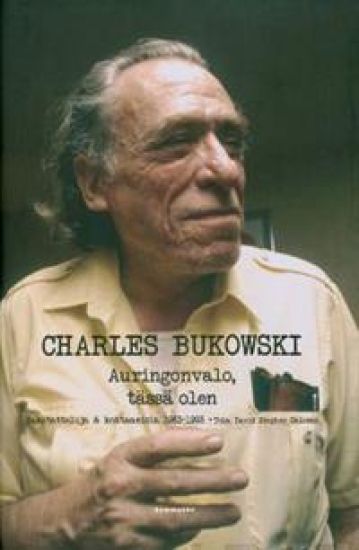
Charles Bukowski oli underground-lyriikan kuningas ja anarkistisen satiirin mestari. Kirjoituskokoelma Auringonvalo, tässä olen sisältää hänen uransa varrelta haastatteluja, jotka valottavat ainutlaatuisen kirjailijan persoonaa." Samantekevää, missä kirjoittaa, kunhan on seinät, kirjoituskone, paperia ja olutta. Tulivuoren kraatterissa voi kirjoittaa... Kuka on Bukowski? Luen Bukowskista, eikä juttujen hahmolla tunnu olevan mitään tekemistä kanssani... Runoilijan rooli on milteipä yhtä tyhjän kanssa. Runoilija on yleensä vain nyhverö, ei mikään oikea persoona, eikä hänestä ole johtamaan joukkoja verta ja rohkeutta vaativissa jutuissa... Sanon, vaikka se kuulostaa kornilta, että muutamien ihmisten sitkeyden ja henkisen kantin ja palavamielisyyden ja kaiken peliin laittamisen avulla voimme pelastaa ihmiskunnan ruhon hukkumasta. Toivoa on vielä. Taistelkaamme kuin miehet, eikä kuten hiiret. Piste. Ei muuta lisättävää."-Charles Bukowski kirjassa Auringonvalo, tässä olen
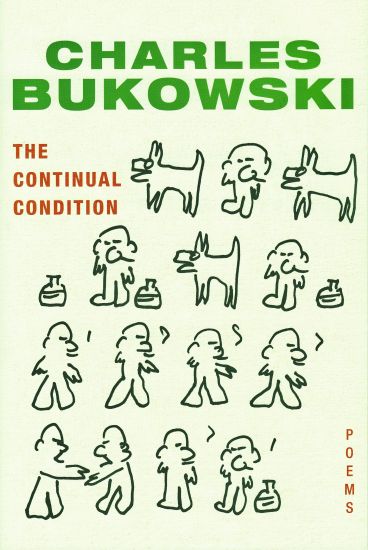
I saw a tramp last night the way the old dog walked with dotted, tired fur down nobody's alley being nobody's dog ...past the empty vodka bottles past the peanut butter jars, with wires full of electricity and the birds asleep somewhere, down the alley he went - nobody's dog moving through it all, brave as any army. In the literary pantheon, Charles Bukowski remains a counterculture icon, a writer and poet of sublime talent who, as Leonard Cohen aptly remarked, brought everybody down to earth, even the angels. A hard-drinking wild man of literature, a stubborn outsider to the poetry world, he has struck a chord with generations of readers, writing raw, tough poetry about booze, work, and women that speaks to his fans as being real and, like the work of the Beats, even dangerous. "The Continual Condition" demonstrates once again this uncompromising commentator's fierce ability to capture the heartbreaking pain and dark beauty of our world.
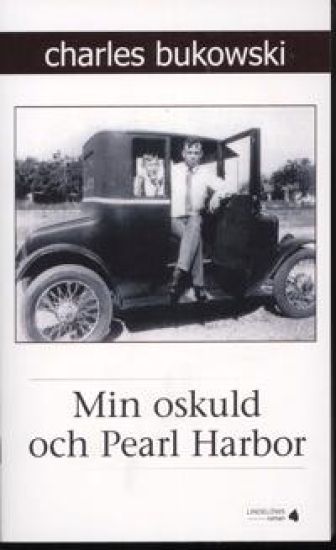
Charles Bukowskis bok om sin uppväxt i Los Angeles är en klassiker. Hans alter ego kallas Hank av kamraterna. Själv säger Henry Chinaski: Jag har inga vänner. Han växer upp i skuggan av mellankrigstidens bankkrasch. Hemma blir Hank slagen av sin far, Henry Senior. Hans mor Kathy blundar för misshandeln. Fadern hittar novellerna Hank börjat skriva. Då blir han utslängd hemifrån. Utelivet tar över. När japanerna bombar Pearl Harbor går Hank ner till spelhallen: Ens föräldrar kontrollerade den tid då man växte upp, de pissade ner en fullständigt. Sen när man var redo att ge sig ut på egen hand ville de andra stoppa in en i en uniform så man kunde få arslet bortskjutet. Först kom romanerna Postverket, Factotum och Kvinnor. Sedan skrev han Min oskuld och Pearl Harbor. Som alltid är det Einar Heckscher som översätter. I efterordet funderar författaren Stig Hansén: Bukowski, som är sin egen herre men också en herrelös hund, hedrar sig själv. Det känns i varje steg att Bukowski, ju mer han skriver om sig själv och sitt liv, blir allt mindre jag, och skriver allt mer rent och nyktert för varje bok han får ur sig. Han skriver sig fri.
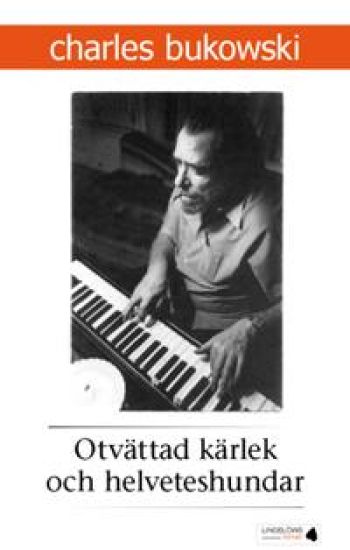
Boken hette 214 Dikter när den första gången gavs ut 1995. En antologi med dikter hämtade från åtta samlingar. Nu delvis förkortad till pocket och ny titel: Otvättad kärlek och helveteshundar. Drygt hälften av dikterna finns kvar i denna nyutgåva. Einar Heckscher, Bukowskis översättare i Sverige, skriver så här i förordet till boken, om låtarna i samlingen: »I sina dikter berättar Charles Bukowski om sin vardag, utan att sopa något under mattan. De berättar om naket liv, om gåtor kring liv och död, om ensamhet och gemenskap. Natt efter natt av ojämna rader, där arbetsplatser, grannar och älskarinnor, tjurfäktare, åldringar och barn, katter och hundar och denna världens stora, betraktas lika oförblommerat, av en man som inte drar sig för att driva med även sig själv framför sitt piano. Den här samlingen är utsnitt ur hans fresk över ett mänskohjärta, dess insikter och drömmar, rotade i en livsberusad, klarögd och djupt bildad humanism, som inte väjer för något som den kärleksfulle busen vid tangenterna finner vara sant. I samling som fått namnet Otvättad kärlek och helvetshundar.« I efterordet till diktsamlingen skriver författaren och krönikören Marcus Birro: »Utan pjosk men med uppriktighet berättar han om knegarna och drömmarna, knarkarna, hororna och galningarna i de små rummen som finns över hela världen. Små upplysta fönster i de stora husen. Spejande som ögon.« Recensioner: "Att Otvättad kärlek och helveteshundar erbjuder en god smakbit av Bukowskis diktproduktion står dock klart. Och den rymmer så mycket mer än lystna kroppssafter, starka drycker och buffliga män ... Otvättad kärlek må vara en bantad version av 214 dikter, men den glödande kärnan finns där." / Jonna Fries, Tidningen Kulturen"Charles Bukowski är en politisk författare - även om han värjde sig mot varje formulering i den riktningen - och det finns förmodligen ingen poet som så konsekvent skildrat vad som sker på kapitalismens soptipp." / Per-Axel Svensson, Borås Tidning
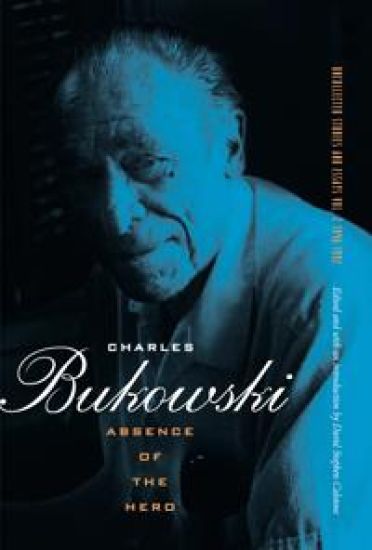
Everyone's favorite Dirty Old Man returns with a new volume of uncollected work. Charles Bukowski (1920-1994), one of the most outrageous figures of 20th-century American literature, was so prolific that many significant pieces never found their way into his books. Absence of the Hero contains much of his earliest fiction, unseen in decades, as well as a number of previously unpublished stories and essays. The classic Bukowskian obsessions are here: sex, booze, and gambling, along with trenchant analysis of what he calls "Playing and Being the Poet." Among the book's highlights are tales of his infamous public readings ("The Big Dope Reading," "I Just Write Poetry So I Can Go to Bed with Girls"); a review of his own first book; hilarious installments of his newspaper column, Notes of a Dirty Old Man, including meditations on neo-Nazis and driving in Los Angeles; and an uncharacteristic tale of getting lost in the Utah woods ("Bukowski Takes a Trip"). Yet the book also showcases the other Bukowski—an astute if offbeat literary critic. From his own “Manifesto” to his account of poetry in Los Angeles (“A Foreword to These Poets”) to idiosyncratic evaluations of Allen Ginsberg, Robert Creeley, LeRoi Jones, and Louis Zukofsky, Absence of the Hero reveals the intellectual hidden beneath the gruff exterior. Our second volume of his uncollected prose, Absence of the Hero is a major addition to the Bukowski canon, essential for fans yet suitable for new readers as an introduction to the wide range of his work.
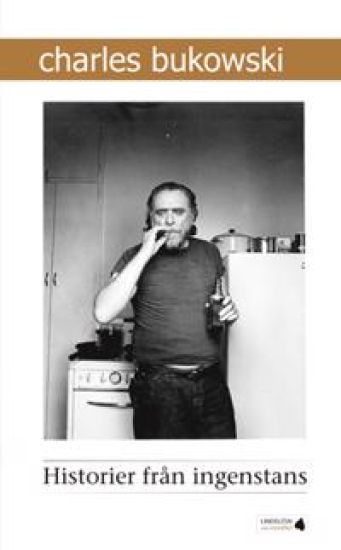
Historier från ingenstans är en novellsamling som Charles Bukowski skrev på 70-talet, samtidigt som han för en större publik i USA slog igenom som författare. Nu har hans svenska översättare Einar Heckscher reviderat sin gamla översättningar och novellerna ges ut på nytt i denna pocketutgåva. Det är 27 noveller, om människors liv på amerikanska bakgårdar: knappt med pengar, dåligt vin, förluster på travbanan, medlidande kvinnor, ja livet drabbar med full kraft Bukowskis personer. När några novelltitlar: Mördarna, Stake, Ingen väg till Paradiset, Vad som tog livet av Dylan Thomas. Bokens efterord är skrivet av Crister Enander, författare och journalist, som gjort många författarporträtt i både bokform och tidskrifter, bland annat i Tidningen Boken. I yngre år var Crister Enander, som många av sina generationskamrater, en flitig Bukowskiläsare. Här ett citat ur efterordet: Det är de utslagna och utfrusna, de avskydda och föraktade som Charles Bukowski skriver om. Det är hans värld. Det är hans människor; det folk han delar dagar och vinare med.
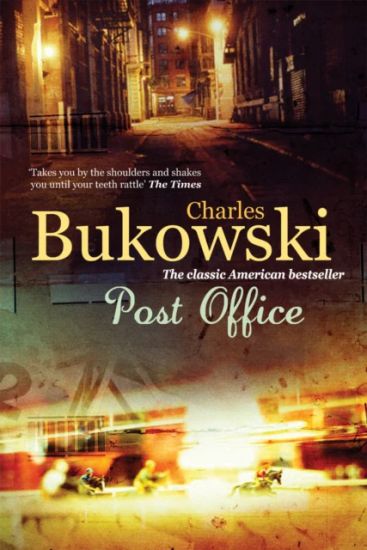
Henry Chinaski is a lowlife loser with a hand-to-mouth existence. His menial post office day job supports a life of beer, one-night stands and racetracks. Lurid, uncompromising and hilarious, Post Office is a landmark in American literature, and over 1 million copies have been sold worldwide. The new edition is augmented with an anecdotal introduction by the modern Welsh cult-literary author, Niall Griffiths - a writer who was working in a British post office when he first read Bukowski's Post Office.
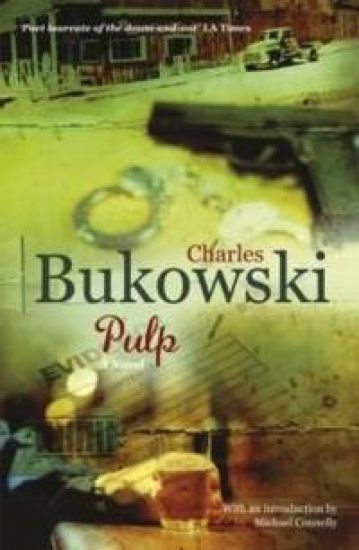
Charles Bukowski's brilliant, fantastical pastiche of a detective story. Packed with wit, invention and Bukowski's trademark lowlife adventures, it is the final novel of one of the most enjoyable and influential cult writers of the last century. Nicky Belane, private detective and career alcoholic, is a troubled man. He is plagued not just by broads, booze, lack of cash and a raging ego, but also by the surreal jobs he's been hired to do. Not only has been hired to track down French classical author Celine - who's meant to be dead - but he's also supposed to find the elusive Red Sparrow - which may or may not be real.
He died in 1994 and is widely acknowledged as one of the most distinctive writers of the last fifty years. Neeli Cherkovski was a close friend of Bukowski and is the author of Hank: The Life of Charles Bukowski (Random House, 1991)
YOU CAN TAKE THE MAN OUT OF THE GUTTER, BUT YOU CAN'T TAKE THE GUTTER OUT OF THE MANLow life writer and alcoholic Henry Chinaski was born to survive. Now, at the age of fifty, he is living the life of a rock star, running three hundred hangovers a year and a sex life that would cripple Casanova. Women is a riotous and uncompromisingly vivid account of life on the edge.
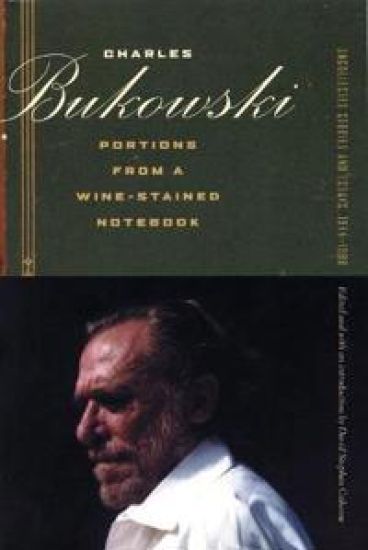
Charles Bukowski (1920-1994), one of the most outrageous and controversial figures of 20th-century American literature, was so prolific that many important pieces were never collected during his lifetime. Portions is a substantial selection of these wide-ranging works, most of which have been unavailable since their original appearance in underground newspapers, literary journals, even porno mags. Among the highlights are his first published short story, "Aftermath of a Lengthy Rejection Slip"; his last short story, "The Other"; his first and last essays; and the first installment of his famous "Notes of a Dirty Old Man" column. The book contains meditations on his familiar themes (drinking, horse-racing, etc.) as well as singular discussions of such figures as Artaud, Pound, and the Rolling Stones. Other significant works include the experimental title piece; a fictionalized account of meeting his hero, John Fante ("I Meet the Master"); an unflinching review of Hemingway ("An Old Drunk Who Ran Out of Luck"); the intense, autobiographical "Dirty Old Man Confesses"; and several discussions of his aesthetics ("A Rambling Essay on Poetics and the Bleeding Life Written While Drinking a Six-Pack (Tall)," "In Defense of a Certain Type of Poetry, a Certain Type of Life, a Certain Type of Blood-Filled Creature Who Will Someday Die," and "Upon the Mathematics of the Breath and the Way", revealing an unexpectedly learned mind behind his seemingly offhand productions. Portions From a Wine-Stained Notebook is essential reading for Bukowski fans, as well as a good introduction for new readers of this innovative, unconventional writer. "Finally, after Bukowski's nearly 50 published books: novels, short stories, poetry, letters, essays, etc. David Calonne has unearthed Portions From a Wine-Stained Notebook, the previously missing link in Bukowski's oeuvre that suddenly makes everything come clear." --John Martin, Black Sparrow Press "You know, I just think this is really hot. Among its many gifts, Portions from a Wine-Stained Notebook has one of the best lesbian sex scenes I ever read. I read Bukowski standing up one day in a bookstore (City Lights) and thought he did it too. What Henry Miller did. He wrote American. When it meant something good. Fucked up, male, but incredibly true. In a distinct rhythm." --Eileen Myles, author of Sorry, Tree and Cool for You "Bukowski wrote the way he lived, and Portions from a Wine-Stained Notebook is as vivid, bad-ass, screamingly funny, and gutter-angelic as the man himself. Reading these stories and essays, you can hear the beating heart of the poet in every line. Bukowski never wasted a word, and this collection should go far towards shining a light on prose in danger of being lost in the shadow of its larger-than-life author. Those new to his work will have the good fortune of discovering a writer who could break your heart, make you howl, and slap you off your bar-stool you in a single sentence. In a world long since gone lousy with faux hard-living typers and posers, he was the original." --Jerry Stahl author of Permanent Midnight, Perv, Plainclothes Naked, and I, Fatty. Charles Bukowski (1920-1994) published his first story when he was twenty-four and began writing poetry at the age of thirty-five. His first book of poetry was published in 1959; he went on to publish more than forty-five books of poetry and prose, including books published by City Lights Publishers such as Notes of a Dirty Old Man, More Notes of a Dirty Old Man, The Most Beautiful Woman in Town, Tales of Ordinary Madness, Portions from a Wine-Stained Notebook, and Absence of the Hero.
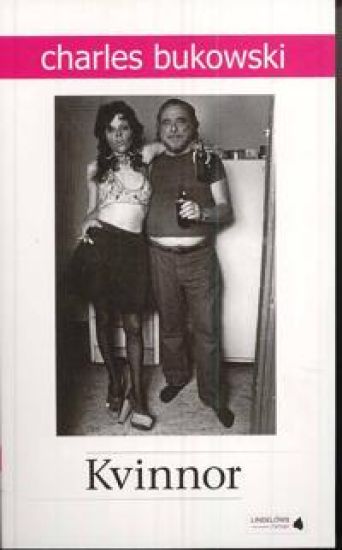
Henry Chinaski har just passerat de 50 och lämnat jobbet på Posten. När romanen börjar har han inte legat med en kvinna på fyra år. Han betalar underhåll för sin sexåriga dotter, har en skilsmässa och ett långt förhållande med en tio år äldre kvinna bakom sig. Då lossnar det. Böcker publiceras och han får snurr på uppläsningsturnéerna som känd poet. Kvinnorna kommer, och en och annan gillar travbanor och boxningsringen. Många är unga, -någon riktigt rik, en jobbar som servitris. De vill ha honom, Lydia, Tammie, Debra, Tessie, Liza, Laura, Tanya, Valerie, Joanna, Dee Dee, Getrud, Nicole ... och Chinaski lever efter sitt ordspråk: Stick med min tjej, men låt min bil vara. Charles Bukowskis tredje roman heter Kvinnor. Den tar vid där Postverket slutar. Översättare Einar Heckscher, förstås. I EFTERORDET skriver författaren och journalisten Ann Charlott Altstadt: "Det starkaste intrycket från Bukowskis romaner var inte den sadistiska pappan, de groteska acneproblemen eller ens att han började dagen med att spy. Utan att så många kvinnor som ville ligga med honom."
This collection of short stories gives an insight into the dark, dangerous lowlife of Los Angeles that Bukowski inhabited. From prostitutes to classical music, Bukowski ingeniously mixes high and low culture in his 'tales of ordinary madness'.
Bukowski's unmistakable charisma - an ex-down-and-outer who wrote of booze and loneliness in maverick, confident free verse - made him one of the world's most popular poets long before he died in 1994. More than a decade later, death has not slowed his production. This collection is selected from an archive of verse that the author left to be published after his death. It includes poems of love and sex, advice to so-called losers (as he once was) to have confidence in themselves (as he did), gambling laments and humbling poems accepting his own imminent ultimate full stop.
Beginning in 1967, Bukowski wrote the column "Notes of A Dirty Old Man" for the underground newspaper Open City. Perennially drunk, broke and in search of a woman, Bukowski takes on the guise of a wise fool as he ventures through America's seedy lowlife.

? Das Schlimmste: Einige Zeit nach meinem Tod werde ich richtig entdeckt.? Erstmals als KiWi-Paperback: Das Tagebuch von Charles Bukowski, gnadenlos offen und schonungslos - nicht nur sich selbst, sondern allen gegenüber, die seinen Weg kreuzen. Ein Buch, das Charles Bukowskis Weltanschauung auf den Punkt bringt - illustriert von Robert Crumb. Abend für Abend sitzt Charles Bukowski vor seinem Computer und schreibt auf, was ihn am zurückliegenden Tag bewegt hat. Leicht bis ziemlich betrunken erzählt er - bar jeder Höflichkeit - von Nachbarn, Freunden, Fans, der Rennbahn, dem Eheleben, dem Schreiben. Er zählt auf, was ihn nervt oder freut, wie sehr ihm das Alter zusetzt und wie es ihn anwidert, wenn Leute versuchen, sich in seiner Berühmtheit zu sonnen. ? Einige Zeit nach meinem Tod werde ich richtig entdeckt. Alle, die mich zu Lebzeiten gefürchtet oder gehasst haben, finden mich jetzt ganz toll. Meine Worte sind überall. Clubs und Gesellschaften werden gegründet. Man macht mich viel mutiger und begabter, als ich es gewesen bin. Es wird übertrieben. Sogar den Göttern kommt das große Kotzen. Die menschliche Rasse übertreibt alles. Ihre Helden, ihre Feinde, ihre Bedeutung.? ? Bukowski sagt selbst am besten, was zu seinem Leben und Werk zu sagen ist.? Rolling Stone ? Ein Geschenk für alle, die in der Literatur nach Haltung, Trost und Leidenschaft suchen.? Die Zeit