
Kirjailija
Charles Kingsley
Kirjat ja teokset yhdessä paikassa: 1 009 kirjaa, julkaisuja vuosilta 1987–2026, suosituimpiin kuuluu David. Vertaile teosten hintoja ja tarkista saatavuus suomalaisista kirjakaupoista.
1 009 kirjaa
Kirjojen julkaisuvuodet: 1987–2026.
Health and education is an unchanged, high-quality reprint of the original edition of 1887. Hansebooks is editor of the literature on different topic areas such as research and science, travel and expeditions, cooking and nutrition, medicine, and other genres. As a publisher we focus on the preservation of historical literature. Many works of historical writers and scientists are available today as antiques only. Hansebooks newly publishes these books and contributes to the preservation of literature which has become rare and historical knowledge for the future.
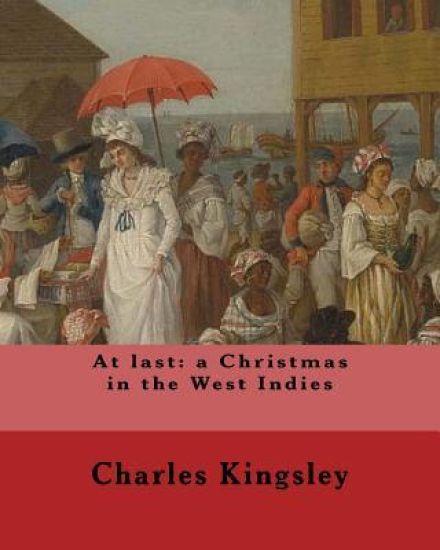
At last: a Christmas in the West Indies By: Charles Kingsley (illustrated): Charles Kingsley (12 June 1819 - 23 January 1875) w
Charles Kingsley
Createspace Independent Publishing Platform
2017
nidottu
Charles Kingsley (12 June 1819 - 23 January 1875) was a broad church priest of the Church of England, a university professor, social reformer, historian and novelist. He is particularly associated with Christian socialism, the working men's college, and forming labour cooperatives that failed but led to the working reforms of the progressive era. He was a friend and correspondent with Charles Darwin. Life: Kingsley was born in Holne, Devon, the elder of two sons of the Reverend Charles Kingsley and his wife Mary Lucas Kingsley. His brother, Henry Kingsley, also became a novelist. He spent his childhood in Clovelly, Devon, where his father was Curate 1826-1832 and Rector 1832-1836, and at Barnack, Northamptonshire and was educated at Bristol Grammar School and Helston Grammar School before studying at King's College London, and the University of Cambridge. Charles entered Magdalene College, Cambridge, in 1838, and graduated in 1842. 4] He chose to pursue a ministry in the church. From 1844, he was rector of Eversley in Hampshire. In 1859 he was appointed chaplain to Queen Victoria. 5] In 1860, he was appointed Regius Professor of Modern History at the University of Cambridge. 5] In 1861 he became a private tutor to the Prince of Wales. In 1869 Kingsley resigned his Cambridge professorship and, from 1870 to 1873, was a canon of Chester Cathedral. While in Chester he founded the Chester Society for Natural Science, Literature and Art, which played an important part in the establishment of the Grosvenor Museum. In 1872 he accepted the Presidency of the Birmingham and Midland Institute and became its 19th President. In 1873 he was made a canon of Westminster Abbey. Kingsley died in 1875 and was buried in St Mary's Churchyard in Eversley. Kingsley sat on the 1866 Edward Eyre Defence Committee along with Thomas Carlyle, John Ruskin, Charles Dickens and Alfred Lord Tennyson, where he supported Jamaican Governor Edward Eyre's brutal suppression of the Morant Bay Rebellion against the Jamaica Committee. One of his daughters, Mary St Leger Kingsley, became known as a novelist under the pseudonym "Lucas Malet". Kingsley's life was written by his widow in 1877, entitled Charles Kingsley, his Letters and Memories of his Life. Kingsley also received letters from Thomas Huxley in 1860 and later in 1863, discussing Huxley's early ideas on agnosticism.
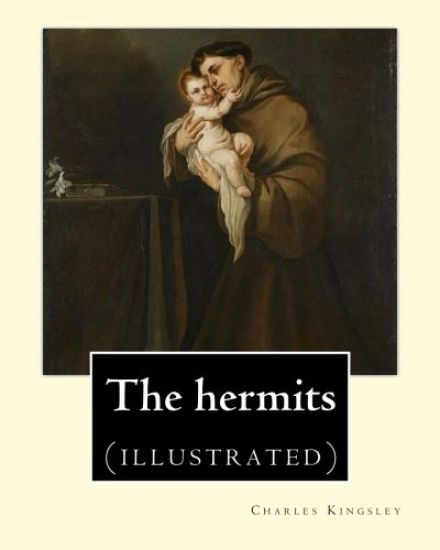
The hermits By: Charles Kingsley (1819-1875): Charles Kingsley (12 June 1819 - 23 January 1875) was a broad church priest of the Churc
Charles Kingsley
Createspace Independent Publishing Platform
2017
nidottu
Charles Kingsley (12 June 1819 - 23 January 1875) was a broad church priest of the Church of England, a university professor, social reformer, historian and novelist. He is particularly associated with Christian socialism, the working men's college, and forming labour cooperatives that failed but led to the working reforms of the progressive era. He was a friend and correspondent with Charles Darwin. Life: Kingsley was born in Holne, Devon, the elder of two sons of the Reverend Charles Kingsley and his wife Mary Lucas Kingsley. His brother, Henry Kingsley, also became a novelist. He spent his childhood in Clovelly, Devon, where his father was Curate 1826-1832 and Rector 1832-1836, and at Barnack, Northamptonshire and was educated at Bristol Grammar School and Helston Grammar School before studying at King's College London, and the University of Cambridge. Charles entered Magdalene College, Cambridge, in 1838, and graduated in 1842. He chose to pursue a ministry in the church. From 1844, he was rector of Eversley in Hampshire. In 1859 he was appointed chaplain to Queen Victoria. In 1860, he was appointed Regius Professor of Modern History at the University of Cambridge. In 1861 he became a private tutor to the Prince of Wales. In 1869 Kingsley resigned his Cambridge professorship and, from 1870 to 1873, was a canon of Chester Cathedral. While in Chester he founded the Chester Society for Natural Science, Literature and Art, which played an important part in the establishment of the Grosvenor Museum. In 1872 he accepted the Presidency of the Birmingham and Midland Institute and became its 19th President. In 1873 he was made a canon of Westminster Abbey. Kingsley died in 1875 and was buried in St Mary's Churchyard in Eversley. Kingsley sat on the 1866 Edward Eyre Defence Committee along with Thomas Carlyle, John Ruskin, Charles Dickens and Alfred Lord Tennyson, where he supported Jamaican Governor Edward Eyre's brutal suppression of the Morant Bay Rebellion against the Jamaica Committee. One of his daughters, Mary St Leger Kingsley, became known as a novelist under the pseudonym "Lucas Malet". Kingsley's life was written by his widow in 1877, entitled Charles Kingsley, his Letters and Memories of his Life. Kingsley also received letters from Thomas Huxley in 1860 and later in 1863, discussing Huxley's early ideas on agnosticism.
The good news of God; sermons By: Charles Kingsley: Charles Kingsley (12 June 1819 - 23 January 1875) was a broad church priest of the Church of Engla
Charles Kingsley
Createspace Independent Publishing Platform
2017
nidottu
Charles Kingsley (12 June 1819 - 23 January 1875) was a broad church priest of the Church of England, a university professor, social reformer, historian and novelist. He is particularly associated with Christian socialism, the working men's college, and forming labour cooperatives that failed but led to the working reforms of the progressive era. He was a friend and correspondent with Charles Darwin. Life: Kingsley was born in Holne, Devon, the elder of two sons of the Reverend Charles Kingsley and his wife Mary Lucas Kingsley. His brother, Henry Kingsley, also became a novelist. He spent his childhood in Clovelly, Devon, where his father was Curate 1826-1832 and Rector 1832-1836, and at Barnack, Northamptonshire and was educated at Bristol Grammar School and Helston Grammar School before studying at King's College London, and the University of Cambridge. Charles entered Magdalene College, Cambridge, in 1838, and graduated in 1842. He chose to pursue a ministry in the church. From 1844, he was rector of Eversley in Hampshire. In 1859 he was appointed chaplain to Queen Victoria. In 1860, he was appointed Regius Professor of Modern History at the University of Cambridge. In 1861 he became a private tutor to the Prince of Wales. In 1869 Kingsley resigned his Cambridge professorship and, from 1870 to 1873, was a canon of Chester Cathedral. While in Chester he founded the Chester Society for Natural Science, Literature and Art, which played an important part in the establishment of the Grosvenor Museum. In 1872 he accepted the Presidency of the Birmingham and Midland Institute and became its 19th President. In 1873 he was made a canon of Westminster Abbey. Kingsley died in 1875 and was buried in St Mary's Churchyard in Eversley. Kingsley sat on the 1866 Edward Eyre Defence Committee along with Thomas Carlyle, John Ruskin, Charles Dickens and Alfred Lord Tennyson, where he supported Jamaican Governor Edward Eyre's brutal suppression of the Morant Bay Rebellion against the Jamaica Committee. One of his daughters, Mary St Leger Kingsley, became known as a novelist under the pseudonym "Lucas Malet". Kingsley's life was written by his widow in 1877, entitled Charles Kingsley, his Letters and Memories of his Life. Kingsley also received letters from Thomas Huxley in 1860 and later in 1863, discussing Huxley's early ideas on agnosticism.
The gospel of the Pentateuch, a set of parish sermons; and David, five sermons By: Charles Kingsley: Charles Kingsley (12 June 1819 - 23 January 1875)
Charles Kingsley
Createspace Independent Publishing Platform
2017
nidottu
Charles Kingsley (12 June 1819 - 23 January 1875) was a broad church priest of the Church of England, a university professor, social reformer, historian and novelist. He is particularly associated with Christian socialism, the working men's college, and forming labour cooperatives that failed but led to the working reforms of the progressive era. He was a friend and correspondent with Charles Darwin. Life: Kingsley was born in Holne, Devon, the elder of two sons of the Reverend Charles Kingsley and his wife Mary Lucas Kingsley. His brother, Henry Kingsley, also became a novelist. He spent his childhood in Clovelly, Devon, where his father was Curate 1826-1832 and Rector 1832-1836, and at Barnack, Northamptonshire and was educated at Bristol Grammar School and Helston Grammar School before studying at King's College London, and the University of Cambridge. Charles entered Magdalene College, Cambridge, in 1838, and graduated in 1842. He chose to pursue a ministry in the church. From 1844, he was rector of Eversley in Hampshire. In 1859 he was appointed chaplain to Queen Victoria. In 1860, he was appointed Regius Professor of Modern History at the University of Cambridge. In 1861 he became a private tutor to the Prince of Wales. In 1869 Kingsley resigned his Cambridge professorship and, from 1870 to 1873, was a canon of Chester Cathedral. While in Chester he founded the Chester Society for Natural Science, Literature and Art, which played an important part in the establishment of the Grosvenor Museum. In 1872 he accepted the Presidency of the Birmingham and Midland Institute and became its 19th President. In 1873 he was made a canon of Westminster Abbey. Kingsley died in 1875 and was buried in St Mary's Churchyard in Eversley. Kingsley sat on the 1866 Edward Eyre Defence Committee along with Thomas Carlyle, John Ruskin, Charles Dickens and Alfred Lord Tennyson, where he supported Jamaican Governor Edward Eyre's brutal suppression of the Morant Bay Rebellion against the Jamaica Committee. One of his daughters, Mary St Leger Kingsley, became known as a novelist under the pseudonym "Lucas Malet". Kingsley's life was written by his widow in 1877, entitled Charles Kingsley, his Letters and Memories of his Life. Kingsley also received letters from Thomas Huxley in 1860 and later in 1863, discussing Huxley's early ideas on agnosticism.
The heroes, or, Greek fairy tales for my children By: Charles Kingsley: Illustrated By the author
Charles Kingsley
Createspace Independent Publishing Platform
2017
nidottu
Charles Kingsley (12 June 1819 - 23 January 1875) was a broad church priest of the Church of England, a university professor, social reformer, historian and novelist. He is particularly associated with Christian socialism, the working men's college, and forming labour cooperatives that failed but led to the working reforms of the progressive era. He was a friend and correspondent with Charles Darwin. Life: Kingsley was born in Holne, Devon, the elder of two sons of the Reverend Charles Kingsley and his wife Mary Lucas Kingsley. His brother, Henry Kingsley, also became a novelist. He spent his childhood in Clovelly, Devon, where his father was Curate 1826-1832 and Rector 1832-1836, and at Barnack, Northamptonshire and was educated at Bristol Grammar School and Helston Grammar School before studying at King's College London, and the University of Cambridge. Charles entered Magdalene College, Cambridge, in 1838, and graduated in 1842. He chose to pursue a ministry in the church. From 1844, he was rector of Eversley in Hampshire. In 1859 he was appointed chaplain to Queen Victoria. In 1860, he was appointed Regius Professor of Modern History at the University of Cambridge. In 1861 he became a private tutor to the Prince of Wales. In 1869 Kingsley resigned his Cambridge professorship and, from 1870 to 1873, was a canon of Chester Cathedral. While in Chester he founded the Chester Society for Natural Science, Literature and Art, which played an important part in the establishment of the Grosvenor Museum. In 1872 he accepted the Presidency of the Birmingham and Midland Institute and became its 19th President. In 1873 he was made a canon of Westminster Abbey. Kingsley died in 1875 and was buried in St Mary's Churchyard in Eversley. Kingsley sat on the 1866 Edward Eyre Defence Committee along with Thomas Carlyle, John Ruskin, Charles Dickens and Alfred Lord Tennyson, where he supported Jamaican Governor Edward Eyre's brutal suppression of the Morant Bay Rebellion against the Jamaica Committee. One of his daughters, Mary St Leger Kingsley, became known as a novelist under the pseudonym "Lucas Malet". Kingsley's life was written by his widow in 1877, entitled Charles Kingsley, his Letters and Memories of his Life. Kingsley also received letters from Thomas Huxley in 1860 and later in 1863, discussing Huxley's early ideas on agnosticism. Kingsley's interest in history is shown in several of his writings, including The Heroes (1856), a children's book about Greek mythology, and several historical novels, of which the best known are Hypatia (1853), Hereward the Wake (1865) and Westward Ho (1855). He was sympathetic to the idea of evolution and was one of the first to welcome Charles Darwin's book On the Origin of Species. He had been sent an advance review copy and in his response of 18 November 1859 (four days before the book went on sale) stated that he had "long since, from watching the crossing of domesticated animals and plants, learnt to disbelieve the dogma of the permanence of species." Darwin added an edited version of Kingsley's closing remarks to the next edition of his book, stating that "A celebrated author and divine has written to me that 'he has gradually learnt to see that it is just as noble a conception of the Deity to believe that He created a few original forms capable of self-development into other and needful forms, as to believe that He required a fresh act of creation to supply the voids caused by the action of His laws'." When a heated dispute lasting three years developed over human evolution, Kingsley gently satirised the debate, known as the Great Hippocampus Question, as the "Great Hippopotamus Question".....
Madam How and Lady Why; or, First lessons in earth lore for children By: Charles Kingsley (illustrated): Charles Kingsley (12 June 1819 - 23 January 1
Charles Kingsley
Createspace Independent Publishing Platform
2017
nidottu
Charles Kingsley (12 June 1819 - 23 January 1875) was a broad church priest of the Church of England, a university professor, social reformer, historian and novelist. He is particularly associated with Christian socialism, the working men's college, and forming labour cooperatives that failed but led to the working reforms of the progressive era. He was a friend and correspondent with Charles Darwin. Life: Kingsley was born in Holne, Devon, the elder of two sons of the Reverend Charles Kingsley and his wife Mary Lucas Kingsley. His brother, Henry Kingsley, also became a novelist. He spent his childhood in Clovelly, Devon, where his father was Curate 1826-1832 and Rector 1832-1836, and at Barnack, Northamptonshire and was educated at Bristol Grammar School and Helston Grammar School before studying at King's College London, and the University of Cambridge. Charles entered Magdalene College, Cambridge, in 1838, and graduated in 1842. He chose to pursue a ministry in the church. From 1844, he was rector of Eversley in Hampshire. In 1859 he was appointed chaplain to Queen Victoria. In 1860, he was appointed Regius Professor of Modern History at the University of Cambridge. In 1861 he became a private tutor to the Prince of Wales. In 1869 Kingsley resigned his Cambridge professorship and, from 1870 to 1873, was a canon of Chester Cathedral. While in Chester he founded the Chester Society for Natural Science, Literature and Art, which played an important part in the establishment of the Grosvenor Museum. In 1872 he accepted the Presidency of the Birmingham and Midland Institute and became its 19th President. In 1873 he was made a canon of Westminster Abbey. Kingsley died in 1875 and was buried in St Mary's Churchyard in Eversley. Kingsley sat on the 1866 Edward Eyre Defence Committee along with Thomas Carlyle, John Ruskin, Charles Dickens and Alfred Lord Tennyson, where he supported Jamaican Governor Edward Eyre's brutal suppression of the Morant Bay Rebellion against the Jamaica Committee. One of his daughters, Mary St Leger Kingsley, became known as a novelist under the pseudonym "Lucas Malet". Kingsley's life was written by his widow in 1877, entitled Charles Kingsley, his Letters and Memories of his Life. Kingsley also received letters from Thomas Huxley in 1860 and later in 1863, discussing Huxley's early ideas on agnosticism. Kingsley's interest in history is shown in several of his writings, including The Heroes (1856), a children's book about Greek mythology, and several historical novels, of which the best known are Hypatia (1853), Hereward the Wake (1865) and Westward Ho (1855). He was sympathetic to the idea of evolution and was one of the first to welcome Charles Darwin's book On the Origin of Species. He had been sent an advance review copy and in his response of 18 November 1859 (four days before the book went on sale) stated that he had "long since, from watching the crossing of domesticated animals and plants, learnt to disbelieve the dogma of the permanence of species." 8] Darwin added an edited version of Kingsley's closing remarks to the next edition of his book, stating that "A celebrated author and divine has written to me that 'he has gradually learnt to see that it is just as noble a conception of the Deity to believe that He created a few original forms capable of self-development into other and needful forms, as to believe that He required a fresh act of creation to supply the voids caused by the action of His laws'." 9] When a heated dispute lasting three years developed over human evolution, Kingsley gently satirised the debate, known as the Great Hippocampus Question, as the "Great Hippopotamus Question".....
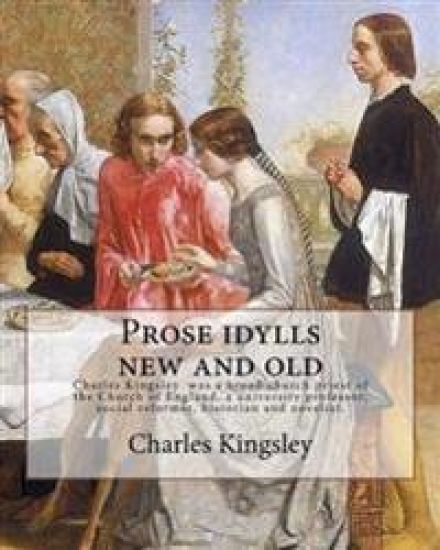
Prose idylls new and old By: Charles Kingsley: Charles Kingsley (12 June 1819 - 23 January 1875) was a broad church priest of the Church of England
Charles Kingsley
Createspace Independent Publishing Platform
2017
nidottu
Charles Kingsley (12 June 1819 - 23 January 1875) was a broad church priest of the Church of England, a university professor, social reformer, historian and novelist. He is particularly associated with Christian socialism, the working men's college, and forming labour cooperatives that failed but led to the working reforms of the progressive era. He was a friend and correspondent with Charles Darwin. Life: Kingsley was born in Holne, Devon, the elder of two sons of the Reverend Charles Kingsley and his wife Mary Lucas Kingsley. His brother, Henry Kingsley, also became a novelist. He spent his childhood in Clovelly, Devon, where his father was Curate 1826-1832 and Rector 1832-1836, and at Barnack, Northamptonshire and was educated at Bristol Grammar School and Helston Grammar School before studying at King's College London, and the University of Cambridge. Charles entered Magdalene College, Cambridge, in 1838, and graduated in 1842. He chose to pursue a ministry in the church. From 1844, he was rector of Eversley in Hampshire. In 1859 he was appointed chaplain to Queen Victoria. In 1860, he was appointed Regius Professor of Modern History at the University of Cambridge. In 1861 he became a private tutor to the Prince of Wales. In 1869 Kingsley resigned his Cambridge professorship and, from 1870 to 1873, was a canon of Chester Cathedral. While in Chester he founded the Chester Society for Natural Science, Literature and Art, which played an important part in the establishment of the Grosvenor Museum. In 1872 he accepted the Presidency of the Birmingham and Midland Institute and became its 19th President. In 1873 he was made a canon of Westminster Abbey. Kingsley died in 1875 and was buried in St Mary's Churchyard in Eversley. Kingsley sat on the 1866 Edward Eyre Defence Committee along with Thomas Carlyle, John Ruskin, Charles Dickens and Alfred Lord Tennyson, where he supported Jamaican Governor Edward Eyre's brutal suppression of the Morant Bay Rebellion against the Jamaica Committee. One of his daughters, Mary St Leger Kingsley, became known as a novelist under the pseudonym "Lucas Malet". Kingsley's life was written by his widow in 1877, entitled Charles Kingsley, his Letters and Memories of his Life. Kingsley also received letters from Thomas Huxley in 1860 and later in 1863, discussing Huxley's early ideas on agnosticism.
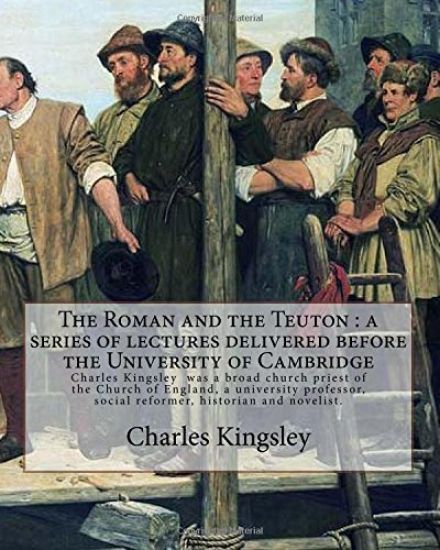
The Roman and the Teuton: a series of lectures delivered before the University of Cambridge By: Charles Kingsley: Charles Kingsley (12 June 1819
Charles Kingsley
Createspace Independent Publishing Platform
2017
nidottu
Charles Kingsley (12 June 1819 - 23 January 1875) was a broad church priest of the Church of England, a university professor, social reformer, historian and novelist. He is particularly associated with Christian socialism, the working men's college, and forming labour cooperatives that failed but led to the working reforms of the progressive era. He was a friend and correspondent with Charles Darwin. Life: Kingsley was born in Holne, Devon, the elder of two sons of the Reverend Charles Kingsley and his wife Mary Lucas Kingsley. His brother, Henry Kingsley, also became a novelist. He spent his childhood in Clovelly, Devon, where his father was Curate 1826-1832 and Rector 1832-1836, and at Barnack, Northamptonshire and was educated at Bristol Grammar School and Helston Grammar School before studying at King's College London, and the University of Cambridge. Charles entered Magdalene College, Cambridge, in 1838, and graduated in 1842. He chose to pursue a ministry in the church. From 1844, he was rector of Eversley in Hampshire. In 1859 he was appointed chaplain to Queen Victoria. In 1860, he was appointed Regius Professor of Modern History at the University of Cambridge. In 1861 he became a private tutor to the Prince of Wales. In 1869 Kingsley resigned his Cambridge professorship and, from 1870 to 1873, was a canon of Chester Cathedral. While in Chester he founded the Chester Society for Natural Science, Literature and Art, which played an important part in the establishment of the Grosvenor Museum. In 1872 he accepted the Presidency of the Birmingham and Midland Institute and became its 19th President. In 1873 he was made a canon of Westminster Abbey. Kingsley died in 1875 and was buried in St Mary's Churchyard in Eversley. Kingsley sat on the 1866 Edward Eyre Defence Committee along with Thomas Carlyle, John Ruskin, Charles Dickens and Alfred Lord Tennyson, where he supported Jamaican Governor Edward Eyre's brutal suppression of the Morant Bay Rebellion against the Jamaica Committee. One of his daughters, Mary St Leger Kingsley, became known as a novelist under the pseudonym "Lucas Malet". Kingsley's life was written by his widow in 1877, entitled Charles Kingsley, his Letters and Memories of his Life. Kingsley also received letters from Thomas Huxley in 1860 and later in 1863, discussing Huxley's early ideas on agnosticism.
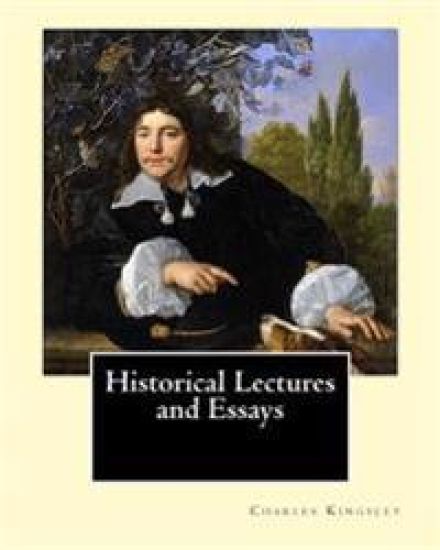
Historical Lectures and Essays By: Charles Kingsley: Charles Kingsley (12 June 1819 - 23 January 1875) was a broad church priest of the Church of Engl
Charles Kingsley
Createspace Independent Publishing Platform
2017
nidottu
Charles Kingsley (12 June 1819 - 23 January 1875) was a broad church priest of the Church of England, a university professor, social reformer, historian and novelist. He is particularly associated with Christian socialism, the working men's college, and forming labour cooperatives that failed but led to the working reforms of the progressive era. He was a friend and correspondent with Charles Darwin. Life: Kingsley was born in Holne, Devon, the elder of two sons of the Reverend Charles Kingsley and his wife Mary Lucas Kingsley. His brother, Henry Kingsley, also became a novelist. He spent his childhood in Clovelly, Devon, where his father was Curate 1826-1832 and Rector 1832-1836, and at Barnack, Northamptonshire and was educated at Bristol Grammar School and Helston Grammar School before studying at King's College London, and the University of Cambridge. Charles entered Magdalene College, Cambridge, in 1838, and graduated in 1842. 4] He chose to pursue a ministry in the church. From 1844, he was rector of Eversley in Hampshire. In 1859 he was appointed chaplain to Queen Victoria. 5] In 1860, he was appointed Regius Professor of Modern History at the University of Cambridge. 5] In 1861 he became a private tutor to the Prince of Wales. In 1869 Kingsley resigned his Cambridge professorship and, from 1870 to 1873, was a canon of Chester Cathedral. While in Chester he founded the Chester Society for Natural Science, Literature and Art, which played an important part in the establishment of the Grosvenor Museum. In 1872 he accepted the Presidency of the Birmingham and Midland Institute and became its 19th President. In 1873 he was made a canon of Westminster Abbey. Kingsley died in 1875 and was buried in St Mary's Churchyard in Eversley. Kingsley sat on the 1866 Edward Eyre Defence Committee along with Thomas Carlyle, John Ruskin, Charles Dickens and Alfred Lord Tennyson, where he supported Jamaican Governor Edward Eyre's brutal suppression of the Morant Bay Rebellion against the Jamaica Committee. One of his daughters, Mary St Leger Kingsley, became known as a novelist under the pseudonym "Lucas Malet". Kingsley's life was written by his widow in 1877, entitled Charles Kingsley, his Letters and Memories of his Life. Kingsley also received letters from Thomas Huxley in 1860 and later in 1863, discussing Huxley's early ideas on agnosticism.
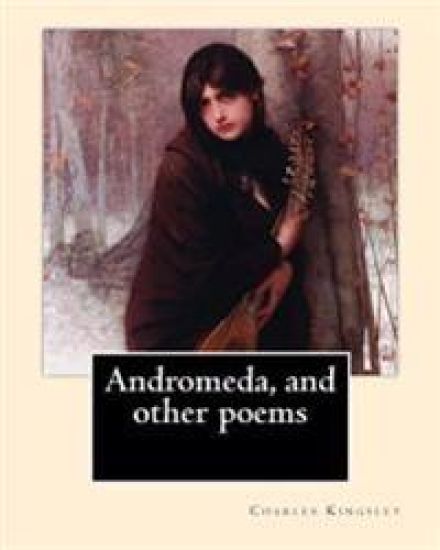
Andromeda, and other poems By: Charles Kingsley: Charles Kingsley (12 June 1819 - 23 January 1875) was a broad church priest of the Church of England
Charles Kingsley
Createspace Independent Publishing Platform
2017
nidottu
Charles Kingsley (12 June 1819 - 23 January 1875) was a broad church priest of the Church of England, a university professor, social reformer, historian and novelist. He is particularly associated with Christian socialism, the working men's college, and forming labour cooperatives that failed but led to the working reforms of the progressive era. He was a friend and correspondent with Charles Darwin. Life: Kingsley was born in Holne, Devon, the elder of two sons of the Reverend Charles Kingsley and his wife Mary Lucas Kingsley. His brother, Henry Kingsley, also became a novelist. He spent his childhood in Clovelly, Devon, where his father was Curate 1826-1832 and Rector 1832-1836, and at Barnack, Northamptonshire and was educated at Bristol Grammar School and Helston Grammar School before studying at King's College London, and the University of Cambridge. Charles entered Magdalene College, Cambridge, in 1838, and graduated in 1842. 4] He chose to pursue a ministry in the church. From 1844, he was rector of Eversley in Hampshire. In 1859 he was appointed chaplain to Queen Victoria. 5] In 1860, he was appointed Regius Professor of Modern History at the University of Cambridge. 5] In 1861 he became a private tutor to the Prince of Wales. In 1869 Kingsley resigned his Cambridge professorship and, from 1870 to 1873, was a canon of Chester Cathedral. While in Chester he founded the Chester Society for Natural Science, Literature and Art, which played an important part in the establishment of the Grosvenor Museum. In 1872 he accepted the Presidency of the Birmingham and Midland Institute and became its 19th President. In 1873 he was made a canon of Westminster Abbey. Kingsley died in 1875 and was buried in St Mary's Churchyard in Eversley. Kingsley sat on the 1866 Edward Eyre Defence Committee along with Thomas Carlyle, John Ruskin, Charles Dickens and Alfred Lord Tennyson, where he supported Jamaican Governor Edward Eyre's brutal suppression of the Morant Bay Rebellion against the Jamaica Committee. One of his daughters, Mary St Leger Kingsley, became known as a novelist under the pseudonym "Lucas Malet". Kingsley's life was written by his widow in 1877, entitled Charles Kingsley, his Letters and Memories of his Life. Kingsley also received letters from Thomas Huxley in 1860 and later in 1863, discussing Huxley's early ideas on agnosticism.
Sermons on National Subjects - Vol. XXII. is an unchanged, high-quality reprint of the original edition of 1880. Hansebooks is editor of the literature on different topic areas such as research and science, travel and expeditions, cooking and nutrition, medicine, and other genres. As a publisher we focus on the preservation of historical literature. Many works of historical writers and scientists are available today as antiques only. Hansebooks newly publishes these books and contributes to the preservation of literature which has become rare and historical knowledge for the future.
At last - A Christmas in the West Indies is an unchanged, high-quality reprint of the original edition of 1873. Hansebooks is editor of the literature on different topic areas such as research and science, travel and expeditions, cooking and nutrition, medicine, and other genres. As a publisher we focus on the preservation of historical literature. Many works of historical writers and scientists are available today as antiques only. Hansebooks newly publishes these books and contributes to the preservation of literature which has become rare and historical knowledge for the future.
At last - A Christmas in the West Indies is an unchanged, high-quality reprint of the original edition of 1878. Hansebooks is editor of the literature on different topic areas such as research and science, travel and expeditions, cooking and nutrition, medicine, and other genres. As a publisher we focus on the preservation of historical literature. Many works of historical writers and scientists are available today as antiques only. Hansebooks newly publishes these books and contributes to the preservation of literature which has become rare and historical knowledge for the future.
Village Sermons and Town and Country Sermons is an unchanged, high-quality reprint of the original edition of 1890. Hansebooks is editor of the literature on different topic areas such as research and science, travel and expeditions, cooking and nutrition, medicine, and other genres. As a publisher we focus on the preservation of historical literature. Many works of historical writers and scientists are available today as antiques only. Hansebooks newly publishes these books and contributes to the preservation of literature which has become rare and historical knowledge for the future.
Westward Ho - Or, the Voyages and Adventures of Sir Amyas Leigh: Vol. I. is an unchanged, high-quality reprint of the original edition of 1881. Hansebooks is editor of the literature on different topic areas such as research and science, travel and expeditions, cooking and nutrition, medicine, and other genres. As a publisher we focus on the preservation of historical literature. Many works of historical writers and scientists are available today as antiques only. Hansebooks newly publishes these books and contributes to the preservation of literature which has become rare and historical knowledge for the future.
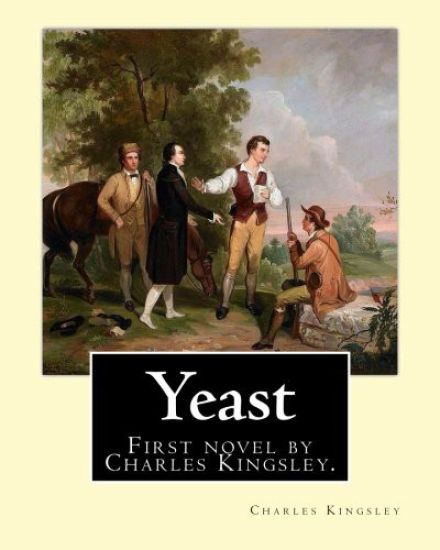
Yeast By: Charles Kingsley: Yeast: A Problem (1848) was the first novel by the Victorian social and religious controversialist Charles Kingsley.
Charles Kingsley
Createspace Independent Publishing Platform
2017
nidottu
Yeast: A Problem (1848) was the first novel by the Victorian social and religious controversialist Charles Kingsley. Themes and sources: Motivated by his strong convictions as a Christian Socialist Kingsley wrote Yeast as an attack on Roman Catholicism and the Oxford Movement, on celibacy, the game laws, bad landlords and bad sanitation, and on the whole social system insofar as it kept England's agricultural labourer class in poverty. The title was intended to suggest the "ferment of new ideas". Yeast was influenced by the works of the philosopher Thomas Carlyle, and by Henry Brooke's novel The Fool of Quality. Publication: Yeast was first published in instalments in Fraser's Magazine, starting in July 1848, but as the radicalism of Kingsley's ideas became apparent the magazine's publisher took fright and induced the author to bring his novel to a premature close. In 1851 it appeared in volume form. Charles John Huffam Dickens ( 7 February 1812 - 9 June 1870) was an English writer and social critic. He created some of the world's best-known fictional characters and is regarded by many as the greatest novelist of the Victorian era. His works enjoyed unprecedented popularity during his lifetime, and by the twentieth century critics and scholars had recognised him as a literary genius. His novels and short stories enjoy lasting popularity. Born in Portsmouth, Dickens left school to work in a factory when his father was incarcerated in a debtors' prison. Despite his lack of formal education, he edited a weekly journal for 20 years, wrote 15 novels, five novellas, hundreds of short stories and non-fiction articles, lectured and performed extensively, was an indefatigable letter writer, and campaigned vigorously for children's rights, education, and other social reforms. Dickens's literary success began with the 1836 serial publication of The Pickwick Papers. Within a few years he had become an international literary celebrity, famous for his humour, satire, and keen observation of character and society. His novels, most published in monthly or weekly instalments, pioneered the serial publication of narrative fiction, which became the dominant Victorian mode for novel publication. The instalment format allowed Dickens to evaluate his audience's reaction, and he often modified his plot and character development based on such feedback. 5] For example, when his wife's chiropodist expressed distress at the way Miss Mowcher in David Copperfield seemed to reflect her disabilities, Dickens improved the character with positive features. 6] His plots were carefully constructed, and he often wove elements from topical events into his narratives. Masses of the illiterate poor chipped in ha'pennies to have each new monthly episode read to them, opening up and inspiring a new class of readers. Dickens was regarded as the literary colossus of his age. His 1843 novella, A Christmas Carol, remains popular and continues to inspire adaptations in every artistic genre. Oliver Twist and Great Expectations are also frequently adapted, and, like many of his novels, evoke images of early Victorian London. His 1859 novel, A Tale of Two Cities, set in London and Paris, is his best-known work of historical fiction. Dickens has been praised by fellow writers-from Leo Tolstoy to George Orwell and G. K. Chesterton-for his realism, comedy, prose style, unique characterisations, and social criticism. On the other hand, Oscar Wilde, Henry James, and Virginia Woolf complained of a lack of psychological depth, loose writing, and a vein of saccharine sentimentalism. The term Dickensian is used to describe something that is reminiscent of Dickens and his writings, such as poor social conditions or comically repulsive characters.

The Heroes, or Greek Fairy Tales
Charles Kingsley
Createspace Independent Publishing Platform
2017
nidottu
The Heroes, or Greek Fairy Tales, written by Charles Kingsley, retells many of the classic ancient Greek myths. The book is also notable for some of the Christian perspective that Kingsley added to the stories. Charles Kingsley filled many roles in his lifetime. Kingsley started as a simple rector in a church, but later became the chaplain to Queen Victoria and private tutor for the Prince of Wales. Kingsley devoted his life to bring about social reform through his actions, committees, and his novels. Kingsley worked with many famous individuals to influence the world around him including Thomas Carlyle, Charles Dickens, Alfred Lord Tennyson, and his friend, Charles Darwin. His last years were spent serving as a canon for Westminster Abbey. Kingsley died in 1875 and is buried in St. Mary's of Eversley.