Kirjojen hintavertailu – 12 903 725 kirjaa ja 27 kauppaa

Kirjailija

Charles Watkins

Kirjat ja teokset yhdessä paikassa: 21 kirjaa, julkaisuja vuosilta 2008–2026, suosituimpiin kuuluu Rediscovering Lost Landscapes. Vertaile teosten hintoja ja tarkista saatavuus suomalaisista kirjakaupoista.

21 kirjaa

Kirjojen julkaisuvuodet: 2008–2026.

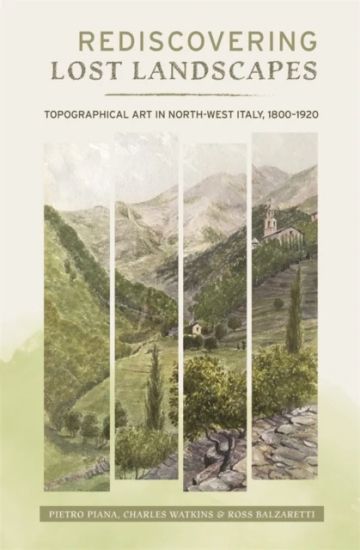
Rediscovering Lost Landscapes

Rediscovering Lost Landscapes

Pietro Piana; Charles Watkins; Rossano Balzaretti

BOYDELL BREWER LTD
2026
pokkari
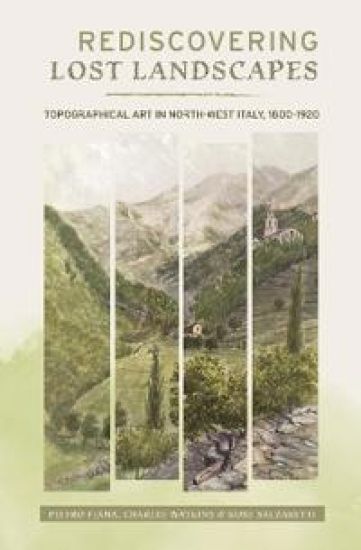
Analysis of hundreds of art works from the period provides insights into forgotten landscapes and hidden geographies. After the Napoleonic wars many wealthy British women and men settled along the coast in Liguria and travelled in Piedmont and Valle d'Aosta in search of warmth and health. They established English-speaking colonies of retired clerics, colonial officials, aristocrats and industrialists at places such as Alassio, Bordighera, Sanremo and Portofino. Many were keen artists. This book assesses hundreds of topographical drawings, paintings and photographs of north-west Italy produced by these British visitors and residents in the nineteenth and early twentieth century. Through the identification and analysis of these works, scattered today in private and public collections in Italy and Britain, it provides insights into the way Italian landscapes were understood and appreciated. Considered in conjunction with historical photography, maps, archives and fieldwork, they deepen our knowledge of past land management traditions and recover how the contemporary landscape looked. The artists are placed in their intellectual and geographical contexts; and interconnections between British and Italian artists and between topographical art and photography are explored. Different chapters assess the main subjects depicted, including mountains, seascapes, rivers, agriculture, trees and woodland, castles, churches, villages, industries and landscapes of luxury.
Trees Ancient and Modern

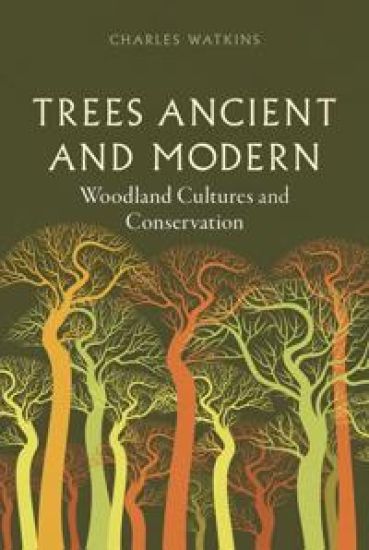
Trees Ancient and Modern

Charles Watkins

REAKTION BOOKS
2025
sidottu
While trees are celebrated as symbols of natural beauty, they are increasingly at risk from climate change, disease, fires and urban expansion. Trees Ancient and Modern explores humanity’s deep connection with trees and woodlands, highlighting their beauty and importance and the challenges they face. The book examines debates about creating new woodlands, exploring questions of location, ownership and management. Using diverse sources such as literature, art, historical records, scientific surveys and oral histories, Charles Watkins reveals how people have used, valued and understood forests over time. He also evaluates modern threats to woodlands and considers how best to conserve them. Richly illustrated, this is a global social and cultural history of forests that provides valuable insights for future management.
Lost Endeavour

Lost Endeavour

Charles Watkins

Little Gully Publishing
2023
sidottu
Charles Watkins sailed for the Dardanelles with the 1/6th Battalion Lancashire Fusiliers in 1915. War, he said, was a welcome escape from hard labour in a Lancashire cotton mill. Fifty years later, he wrote his memoir, a 'hotch-potch of Gallipoli memories.'"In perpetrating this literary outrage, some apology is due. I could give many plausible excuses for recording moments of this disastrous campaign, but the real truth is the selfish pleasure I find in recalling one crowded hour of glorious life. It was my very good fortune to serve with a Lancashire Territorial Division. To the memory of those contumacious, argumentative, sentimental and lovable Lancashire lads - 'Salud.' No better comrades ever trod the field of battle...""Students of military strategy and tactics had best throw this book away for they'll learn nothing from it. In fact, I know even less of strategy and tactics than did the High-Ups who conducted the campaign. What's more, a lowly private soldier sees very little of the larger picture of war - his own grubby little nose is always buried too deeply in his own particular patch of the dung-heap..." The campaign is not short of operational histories, but few accounts get into the mind of the private soldier so successfully." The trouble," says Watkins, "is that most old soldiers develop a reluctance to talk - except perhaps after a few drinks, and when we seem, then, to get a little boastful and silly. At best, and when we are stone-sober, we feel we are merely a little boring to a new and unsympathetic generation." So we clam-up. We leave it to the cold, clinical dissection of historians to record the battles, the victories... and the defeats. The live and vivid experiences of the soldiers themselves are seldom, if ever, recorded - which is a pity, for without these how can the atmosphere of the times themselves ever be made to come to life." Lost Endeavour was published for 'limited and private circulation' in 1970, then again in 1982. For this modern edition, the editors have added a short biography of Watkins as an appendix, alongside several articles he wrote for the Gallipoli Association's journal, 'The Gallipolian'. For background and context, the editors include their notes on individuals, places and events mentioned by Watkins in the text. The reader will also find detail on the 6th Lancs Fusiliers at Helles - the battalion's establishment, drafts and battle casualties, a timeline for May to December 1915, eight maps, and a Gallipoli roll of honour.
Lost Endeavour

Lost Endeavour

Charles Watkins

Little Gully Publishing
2023
pokkari
Charles Watkins sailed for the Dardanelles with the 1/6th Battalion Lancashire Fusiliers in 1915. War, he said, was a welcome escape from hard labour in a Lancashire cotton mill. Fifty years later, he wrote his memoir, a 'hotch-potch of Gallipoli memories.'"In perpetrating this literary outrage, some apology is due. I could give many plausible excuses for recording moments of this disastrous campaign, but the real truth is the selfish pleasure I find in recalling one crowded hour of glorious life. It was my very good fortune to serve with a Lancashire Territorial Division. To the memory of those contumacious, argumentative, sentimental and lovable Lancashire lads - 'Salud.' No better comrades ever trod the field of battle...""Students of military strategy and tactics had best throw this book away for they'll learn nothing from it. In fact, I know even less of strategy and tactics than did the High-Ups who conducted the campaign. What's more, a lowly private soldier sees very little of the larger picture of war - his own grubby little nose is always buried too deeply in his own particular patch of the dung-heap..." The campaign is not short of operational histories, but few accounts get into the mind of the private soldier so successfully." The trouble," says Watkins, "is that most old soldiers develop a reluctance to talk - except perhaps after a few drinks, and when we seem, then, to get a little boastful and silly. At best, and when we are stone-sober, we feel we are merely a little boring to a new and unsympathetic generation." So we clam-up. We leave it to the cold, clinical dissection of historians to record the battles, the victories... and the defeats. The live and vivid experiences of the soldiers themselves are seldom, if ever, recorded - which is a pity, for without these how can the atmosphere of the times themselves ever be made to come to life." Lost Endeavour was published for 'limited and private circulation' in 1970, then again in 1982. For this modern edition, the editors have added a short biography of Watkins as an appendix, alongside several articles he wrote for the Gallipoli Association's journal, 'The Gallipolian'. For background and context, the editors include their notes on individuals, places and events mentioned by Watkins in the text. The reader will also find detail on the 6th Lancs Fusiliers at Helles - the battalion's establishment, drafts and battle casualties, a timeline for May to December 1915, eight maps, and a Gallipoli roll of honour.
Rediscovering Lost Landscapes

Rediscovering Lost Landscapes

Pietro Piana; Charles Watkins; Rossano Balzaretti

The Boydell Press
2021
sidottu
Analysis of hundreds of art works from the period provides insights into forgotten landscapes and hidden geographies. After the Napoleonic wars many wealthy British women and men settled along the coast in Liguria and travelled in Piedmont and Valle d'Aosta in search of warmth and health. They established English-speaking colonies of retired clerics, colonial officials, aristocrats and industrialists at places such as Alassio, Bordighera, Sanremo and Portofino. Many were keen artists. This book assesses hundreds of topographical drawings, paintings and photographs of north-west Italy produced by these British visitors and residents in the nineteenth and early twentieth century. Through the identification and analysis of these works, scattered today in private and public collections in Italy and Britain, it provides insights into the way Italian landscapes were understood and appreciated. Considered in conjunction with historical photography, maps, archives and fieldwork, they deepen our knowledge of past land management traditions and recover how the contemporary landscape looked. The artists are placed in their intellectual and geographical contexts; and interconnections between British and Italian artists and between topographical art and photography are explored. Different chapters assess the main subjects depicted, including mountains, seascapes, rivers, agriculture, trees and woodland, castles, churches, villages, industries and landscapes of luxury.

The Sharecroppers Community

The Sharecroppers Community

Charles Watkins

Goldtouch Press, LLC
2020
sidottu
This is set in the rural part of America in the 1960s. A great deal of African Americans were still in the South, picking cotton, chopping cotton, and working on plantations. Little did we know that in the 1960s, there was an industrial revolution not only in the north with the steel mills, stockyards, constructions, and in others, like domestic jobs in the home, hotels, and for drivers in all aspects of transportation. Every Sunday morning, African Americans would attend church, all day long in most situations because that was a tradition that was taking place in the South during the sharecropping days and slavery days. I found out that a great deal of churches provided financial support and education for the laughs because Americans were sharecroppers. African Americans, with their best Sunday clothes on, headed to the church to thank God for another week. Traditions such as gold traditions were maintained by the shoppers and also African American landholders and owners as well. There was also a great deal of landowners doing shopping. At this time, they did not have as much property as plantation owners. But they were lying on this, and they had so much pride in what they did in their work. These basic and general values for African Americans on Sundays is very powerful. Let us look forward to the next book that will discuss what happened after 1965 once the sharecropper grandson enters the Chicago metropolitan area after being gone for seven years and see his views and understanding of returning back from the rule of Mississippi to the Uptown Chicago. Lets see what changes in opportunity that will be taken advantage of and the disadvantages that he will experience. This is my view. This is my love for the book White Gold Cotton and Sharecroppers Stories. Charles Watkins lll, author of the book.
The Sharecroppers Community

The Sharecroppers Community

Charles Watkins

Goldtouch Press, LLC
2020
pokkari
This is set in the rural part of America in the 1960s. A great deal of African Americans were still in the South, picking cotton, chopping cotton, and working on plantations. Little did we know that in the 1960s, there was an industrial revolution not only in the north with the steel mills, stockyards, constructions, and in others, like domestic jobs in the home, hotels, and for drivers in all aspects of transportation. Every Sunday morning, African Americans would attend church, all day long in most situations because that was a tradition that was taking place in the South during the sharecropping days and slavery days. I found out that a great deal of churches provided financial support and education for the laughs because Americans were sharecroppers. African Americans, with their best Sunday clothes on, headed to the church to thank God for another week. Traditions such as gold traditions were maintained by the shoppers and also African American landholders and owners as well. There was also a great deal of landowners doing shopping. At this time, they did not have as much property as plantation owners. But they were lying on this, and they had so much pride in what they did in their work. These basic and general values for African Americans on Sundays is very powerful. Let us look forward to the next book that will discuss what happened after 1965 once the sharecropper grandson enters the Chicago metropolitan area after being gone for seven years and see his views and understanding of returning back from the rule of Mississippi to the Uptown Chicago. Lets see what changes in opportunity that will be taken advantage of and the disadvantages that he will experience. This is my view. This is my love for the book White Gold Cotton and Sharecroppers Stories. Charles Watkins lll, author of the book.
[HGB] Humanity Gone Bad: The Dead Chronicles

[HGB] Humanity Gone Bad: The Dead Chronicles

Charles Watkins

Light Switch Press
2019
nidottu
Man's darkest hour has arrived as a mysterious plague sweeps through the countryside infecting people by the masses-hysteria erupts in cities as homicidal creatures attack and eat the flesh of their victims; the United States Government attempts to bring the chaos under control but as the armies of undead grow larger and larger it is no secret that the world has collapsed. Survivors are now left to fend for themselves, scattered around in various areas of the country and the world-one such group of survivors struggles to stay alive and to unravel the mystery behind the plague that brought about a zombie apocalypse... Charles Watkins lives in Northwestern Georgia with his wife Sheila; he is a huge fan of horror and all things that go bump in the night. He is a fan of the work of the late George A. Romero and has spent most of his life admiring him; he hopes to one day travel the world and visit the places he had written about.
British Arboretum, The

British Arboretum, The

Paul A. Elliott; Charles Watkins; Stephen Daniels

University of Pittsburgh Press
2019
nidottu
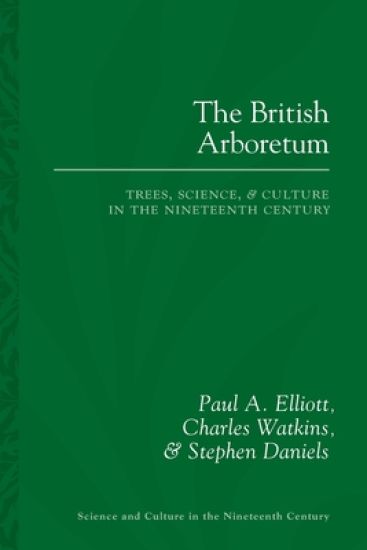
This study explores the science and culture of nineteenth-century British arboretums, or tree collections. The development of arboretums was fostered by a variety of factors, each of which is explored in detail: global trade and exploration, the popularity of collecting, the significance to the British economy and society, developments in Enlightenment science, changes in landscape gardening aesthetics and agricultural and horticultural improvement. Arboretums were idealized as microcosms of nature, miniature encapsulations of the globe and as living museums. This book critically examines different kinds of arboretum in order to understand the changing practical, scientific, aesthetic and pedagogical principles that underpinned their design, display and the way in which they were viewed. It is the first study of its kind and fills a gap in the literature on Victorian science and culture.
The Basilica

The Basilica

Charles Watkins

Hansebooks
2019
pokkari
The Basilica: or, Palatial Hall of Justice and Sacred Temple: its nature, origin, and a description and history of the Basilican Church of Brixworth is an unchanged, high-quality reprint of the original edition of 1867. Hansebooks is editor of the literature on different topic areas such as research and science, travel and expeditions, cooking and nutrition, medicine, and other genres. As a publisher we focus on the preservation of historical literature. Many works of historical writers and scientists are available today as antiques only. Hansebooks newly publishes these books and contributes to the preservation of literature which has become rare and historical knowledge for the future.
Trees in Art

Trees in Art

Charles Watkins

Reaktion Books
2018
sidottu

Halvin toimitettuna 53,00 €

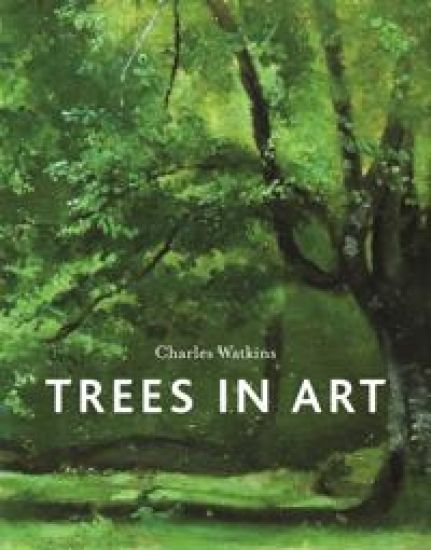
In this superbly illustrated book, Charles Watkins explores the myth and magic of arboreal art. Enter the groves of the classical world, from Daphne’s metamorphosis into a laurel tree to the gardens of Pompeii. The tree in sacred art is represented in master works by Botticelli and Michelangelo. The oak as a symbol of nationhood and liberty across Europe is revealed. The mystery and drama of forest interiors, the formal beauty of avenues of trees, the representation of forestry over the ages and the world of ‘more than real’ trees in the fantastic and surreal art of Arcimboldo, William Blake, Arthur Rackham and Salvador Dalí are each illuminated in fascinating detail, coming right up to date with Giuseppe Penone and Ai Wei Wei. Watkins also elucidates the practice of genius in how artists learned to draw trees. Each thematic chapter takes a breathtaking journey through centuries of artists’ engagement and fascination with a natural form that seems to allegorize or mirror the human journey through life. Drawing on the author’s deep knowledge of the history and ecology of trees, Trees in Art shows that we can learn much about ourselves from the art of trees.
White Gold "Cotton"

White Gold "Cotton"

Charles Watkins

Liferich
2018
pokkari
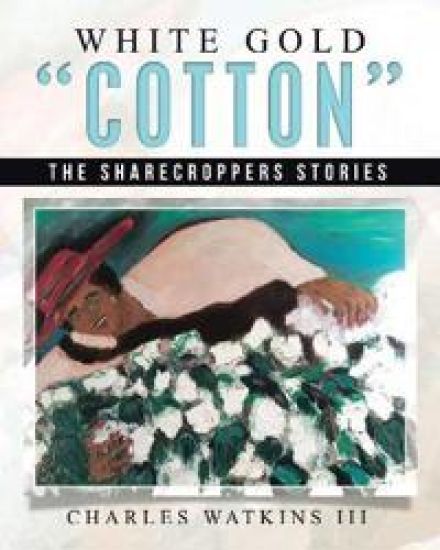
This is set in the rural part of America in the 1960s. A great deal of African Americans were still in the South, picking cotton, chopping cotton, and working on plantations. Little did we know that in the 1960s, there was an industrial revolution not only in the north with the steel mills, stockyards, constructions, and in others, like domestic jobs in the home, hotels, and for drivers in all aspects of transportation. Every Sunday morning, African Americans would attend church, all day long in most situations because that was a tradition that was taking place in the South during the sharecropping days and slavery days. I found out that a great deal of churches provided financial support and education for the laughs because Americans were sharecroppers. African Americans, with their best Sunday clothes on, headed to the church to thank God for another week. Traditions such as gold traditions were maintained by the shoppers and also African American landholders and owners as well. There was also a great deal of landowners doing shopping. At this time, they did not have as much property as plantation owners. But they were lying on this, and they had so much pride in what they did in their work. These basic and general values for African Americans on Sundays is very powerful. Let us look forward to the next book that will discuss what happened after 1965 once the sharecropper grandson enters the Chicago metropolitan area after being gone for seven years and see his views and understanding of returning back from the rule of Mississippi to the Uptown Chicago. Lets see what changes in opportunity that will be taken advantage of and the disadvantages that he will experience. This is my view. This is my love for the book White Gold Cotton and Sharecroppers Stories. Charles Watkins lll, author of the book
Nocturnal Oath

Nocturnal Oath

Charles Watkins

Light Switch Press
2018
nidottu
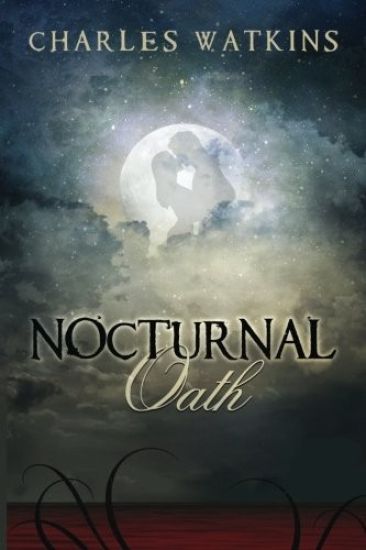
One normal everyday man is about to walk in to an event that will start a chain reaction in his own deprived and otherwise boring life...what he will discover following this event will lead him on a rampage and a quest for redemption from a world that screwed him over; along the way he will discover frightening truths about an enemy that seeks to destroy him and those like him and he will be dragged into the flames of a war that has raged for over a century... Charles Watkins is a native of Northwestern Georgia as he has lived there almost his entire life, he enjoys writing about different topics namely horror and fantasy and he lives with Sheila Watkins-his wife of twelve years.
Trees, Woods and Forests

Trees, Woods and Forests

Charles Watkins

Reaktion Books
2016
nidottu
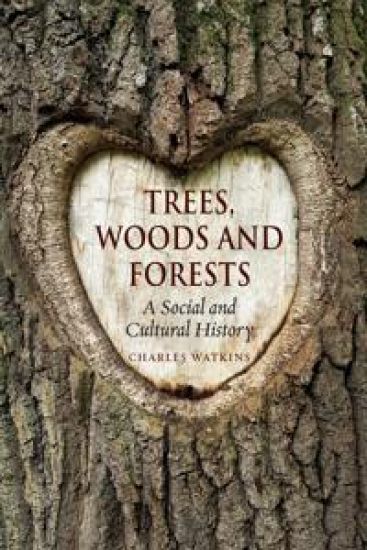
Forests and woods have always been central to the development of human technology and culture and our expansion as a species. Trees, Woods and Forests shows how for thousands of years, woodland has been managed by humans using ancient practices such as coppicing and pollarding trees for fuel and as fodder for animals. In the early Middle Ages royal forests were established across Europe as the hunting grounds of kings. In the seventeenth century European enthusiasts collected, named, catalogued and acclimatized trees from all over the world in arboreta, while in the eighteenth century the cult of the Picturesque transformed attitudes to trees in the landscape. Trees can live to a great age, and some woods appear timeless and ancient, yet they are prone to sudden death through fire and storm. Human activity has led to the clearance and destruction of enormous areas of woodland and has also brought about the rapid spread across continents of potent diseases such as chestnut blight and ash dieback. In recent years, anxiety about the environmental impact of humans on trees has led to the establishment of national parks and reserves, as well as the practice of ‘rewilding’ landscapes. This book, now available in paperback, draws on the most recent work of historians, archaeologists, geographers, botanists and foresters, and explores forests in Britain, the us, Greece, Italy and France. It is a comprehensive and fascinating overview of humankind’s interaction with these most valuable resources.
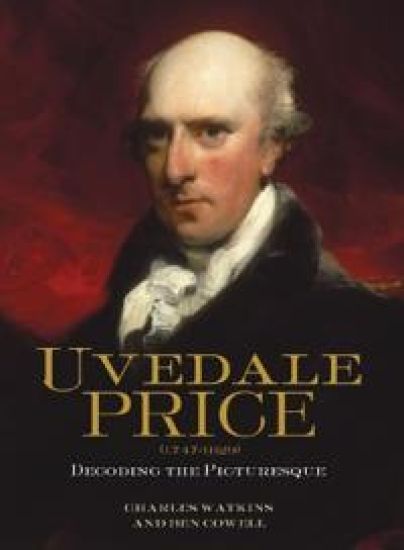
Uvedale Price (1747-1829)

Uvedale Price (1747-1829)

Charles Watkins; Ben Cowell

The Boydell Press
2015
pokkari
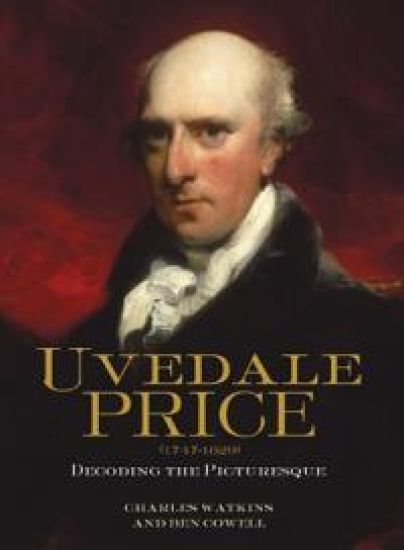
The first biography of the 18th-century landscape gardener, Uvedale Price, showing the key interconnections between his roles as landowner, art collector, forester, landscaper, connoisseur and scholar. Uvedale Price achieved most fame as the author of the influential Essay on the Picturesque of 1794 in which he argued that the work of the greatest landscape artists, such as Salvator Rosa, Rubens and Claude, should be usedas models for the "improvement of real landscape". His attack on the smooth certainties of Capability Brown sparked off a public controversy, drawing in Richard Payne Knight and Humphry Repton, which became a cause célèbre. This is the first biography of Uvedale Price, bringing out his contradictory and elusive character and revealing an astonishing cast of friends and acquaintances, including Gainsborough, Voltaire, William Wordsworth and ElizabethBarrett Browning. The book shows how he developed his ideas through practical experimentation on his own land and buildings and provides an understanding of the context of Price's practices and theories and the key interconnections between his roles as landowner, art collector, forester, landscaper, connoisseur and scholar. Charles Watkins is Professor of Rural Geography, University of Nottingham; Ben Cowell is Regional Director - East of England, National Trust.
Trees, Woods and Forests

Trees, Woods and Forests

Charles Watkins

Reaktion Books
2014
sidottu
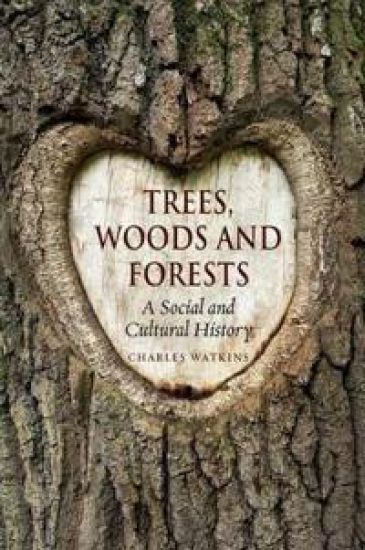
Throughout human history our relationship with trees, woods and forests has remained central to the development of our technology, culture and expansion as a species. In this engaging book, Charles Watkins examines and challenges our historical and modern attitudes to wooded environments and our continuing anxiety about humanity's impact on these natural realms. Our understanding of the history of trees and woodlands has been transformed in recent years. Established ideas, such as the spread of continuous dense forests across the whole of Europe after the Ice Age, have been questioned, if not overturned, by archaeological and historical research. While the continued clearance of tropical forests is a cause for alarm, concern over woodland loss in Europe, where the area of land covered by trees has increased substantially in the last century, is perhaps less well founded. Recent research shows that the interactions between humans and trees and woods have varied dramatically through time and from place to place. The great variety of values and meanings different human societies have and ascribe to trees and forests are unpicked and compared in Trees, Wood and Forests, which provides a rich source of material to analyse the environment that is such a key to our survival. Drawing on the most recent work of historians, ecologist-geographers, botanists and forestry professionals, and using mainly the example of Britain but also forests in the U. S., Greece, Italy and France, this book provides a comprehensive interdisciplinary overview of humankind's interaction with these often abused yet most valuable resources.
Uvedale Price (1747-1829)

Uvedale Price (1747-1829)

Charles Watkins; Ben Cowell

The Boydell Press
2012
sidottu
The first biography of the 18th-century landscape gardener, Uvedale Price, showing the key interconnections between his roles as landowner, art collector, forester, landscaper, connoisseur and scholar. Uvedale Price achieved most fame as the author of the influential Essay on the Picturesque of 1794 in which he argued that the work of the greatest landscape artists, such as Salvator Rosa, Rubens and Claude, should be usedas models for the "improvement of real landscape". His attack on the smooth certainties of Capability Brown sparked off a public controversy, drawing in Richard Payne Knight and Humphry Repton, which became a cause célèbre. This is the first biography of Uvedale Price, bringing out his contradictory and elusive character and revealing an astonishing cast of friends and acquaintances, including Gainsborough, Voltaire, William Wordsworth and ElizabethBarrett Browning. The book shows how he developed his ideas through practical experimentation on his own land and buildings and provides an understanding of the context of Price's practices and theories and the key interconnections between his roles as landowner, art collector, forester, landscaper, connoisseur and scholar. CHARLES WATKINS is Professor of Rural Geography, University of Nottingham; BEN COWELL is Assistant Director, External Affairs, National Trust.