Kirjojen hintavertailu – 12 859 826 kirjaa ja 27 kauppaa

Kirjailija

Charlotte Vignon

Kirjat ja teokset yhdessä paikassa: 5 kirjaa, julkaisuja vuosilta 2016–2023, suosituimpiin kuuluu Masterpieces of French Faience: Selections from the Sidney R. Knafel Collection. Vertaile teosten hintoja ja tarkista saatavuus suomalaisista kirjakaupoista.

5 kirjaa

Kirjojen julkaisuvuodet: 2016–2023.

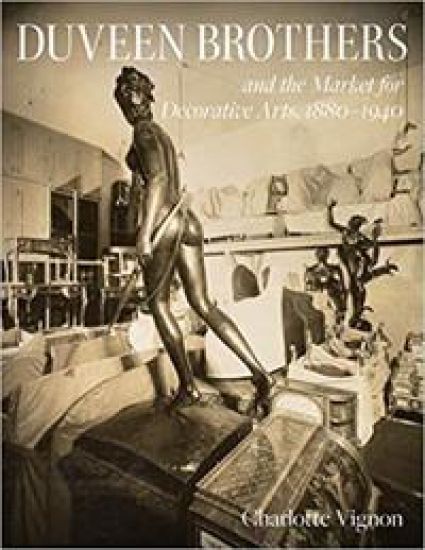
Duveen Brothers and the Market for Decorative Arts, 1880-1940
Active in London, Paris, and New York, Duveen Brothers was the most prominent art and antique dealer from the late nineteenth to the mid-twentieth century. The firm's success came from buying furniture, tapestries, porcelain, and other objets d'art and selling it at high prices to wealthy Americans, including Henry Clay Frick, John D. Rockefeller Jr., Arabella Huntington, and John Pierpont Morgan. Making extensive use of Duveen Brothers records at the Getty Research Institute, as well as letters and invoices in the archives of the firm's clients, Vignon provides a rich study of this influential firm in the history of collecting.
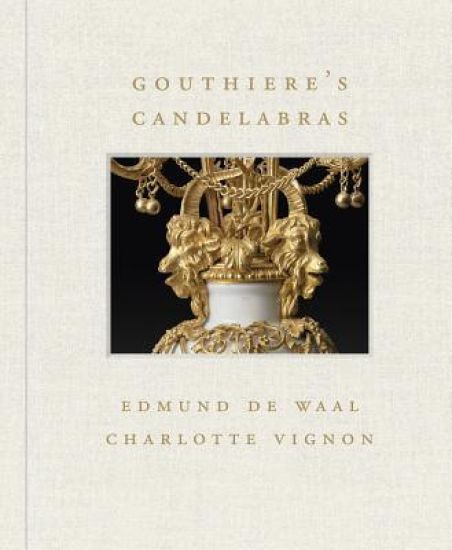
Gouthière's Candelabras

Gouthière's Candelabras

Charlotte Vignon; Edmund De Waal

D Giles Ltd
2019
sidottu
This third volume in the Frick Diptych series offers fresh insight into a pair of candelabra that represent the pinnacle of luxury and taste in the years prior to the French Revolution. Vignon tells the fascinating story of these objects that are made of two small white vases with extraordinary gilt-bronze mounts by Pierre Gouthière, the celebrated eighteenth-century French chaser and gilder. Vignon's essay is paired with a text by De Waal in which he examines what it is to make, own, and desire such complex objects
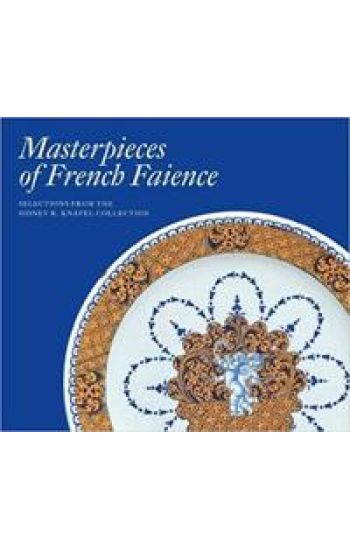
Masterpieces of French Faience: Selections from the Sidney R. Knafel Collection
Encompasses an impressive and engaging variety of fabulous objects from the most important faience centres, dating from the late sixteenth to the mid-eighteenth century. A feat of great technical achievement, French faience was introduced to Lyon in the second half of the sixteenth century by skilled Italian immigrants:mdash;the French word "faience" deriving from the northern Italian city of Faenza. Over the next two centuries, production spread throughout the provinces of metropolitan France. The fine decoration of French faience draws inspiration from multiple sources - Italian maiolica, Asian porcelain, and even contemporary engravings. The forms of its platters, bowls, plates, and ewers derive mostly from European ceramics and silver. This complex interplay of influences comes together in works of great originality. The Knafel Collection of French faience, the finest in private hands, includes outstanding examples of Nevers, Rouen, Moustiers, Moulins, and Marseilles production from the late sixteenth to the mid-eighteenth century. The quality of these masterpieces almost obscures the fact that French faience was essentially a provincial art, largely patronised and commissioned by a local aristocracy and made far from the centres of political power in Versailles and Paris. In this stunning new volume, Charlotte Vignon traces the history of French faience, offering detailed discussions of key centers of production. Illustrated with more than seventy examples, this valuable resource testifies to the creativity and beauty of an engagingly innovative tradition. AUTHOR: Charlotte Vignon is curator of Decorative Arts at The Frick Collection, as well as a Visiting Associate Professor at the Bard Graduate Center, New York. 88 colour images

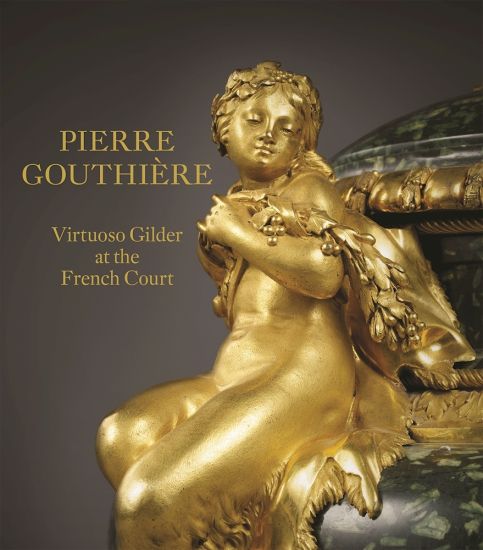
Pierre Gouthiere: Virtuoso Gilder at the French Court

Pierre Gouthiere: Virtuoso Gilder at the French Court

Charlotte Vignon; Christian Baulez

D Giles Ltd
2016
sidottu
"Pierre Gouthiere: Virtuoso Gilder at the French Court" celebrates the life of Pierre Gouthiere (1732-1813), considered to be one of the best Parisian bronze chasers and gilders of the eighteenth-century. Gouthiere became gilder to Louis XV in 1767, and is credited with inventing a new type of gilding that left a matte finish"dorure au mat"one of the hallmarks of his work. Although incredibly successful in his day, Gouthiere died in relative obscurity and poverty; unlike some of his contemporaries his works never regained popularity after the French Revolution. The inclusion of detailed entries and plates of forty works positively attributed to Gouthiere, five essays by leading experts which examine Gouthiere's life, career, clientele, and gilding techniques, as well as examples of his work from French, British and American collections, ensure that this beautiful volume is an invaluable new resource on Gouthiere. The only other volume on this master was published in 1920, and is now long out of print.