Kirjailija
Ched Spellman
Kirjat ja teokset yhdessä paikassa: 5 kirjaa, julkaisuja vuosilta 2014–2027, suosituimpiin kuuluu The Biblical Christ. Vertaile teosten hintoja ja tarkista saatavuus suomalaisista kirjakaupoista.
5 kirjaa
Kirjojen julkaisuvuodet: 2014–2027.
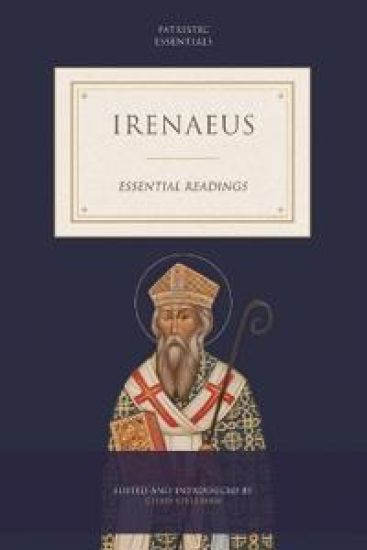
Irenaeus of Lyons, a significant theologian of the second century AD, played an influential role in shaping the Christian understanding of the gospel, Scriptures, and church structure. While not a founder, his articulation provided an unparalleled scope that laid the groundwork for future church leaders. This volume, part of the Patristic Essentials series, situates Irenaeus in his historical context and emphasizes his contributions to second-century Christian doctrine. By including well-known passages and preserving their internal logic, it offers readers a clear understanding of his theology. Each chapter begins with an overview, supplemented by strategic headings, to guide readers through Irenaeus's arguments. Updated English translations are provided to aid contemporary readers. Through his careful curation and clear editorial guidance, Spellman introduces Irenaeus's vision of God's redemptive work to a new generation, reflecting the ancient theologian's comprehensive approach to Christian understanding.
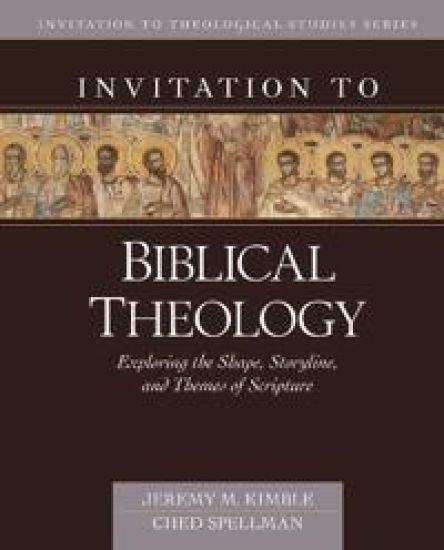
Invitation to Biblical Theology – Exploring the Shape, Storyline, and Themes of the Bible
Jeremy Kimble; Ched Spellman
Kregel Publications,U.S.
2020
sidottu
Invitation to Biblical Theology provides a thorough overview of biblical theology that is accessible for those new to the topic but substantial enough for advanced study. Defining biblical theology as "the study of the whole Bible on its own terms," Jeremy Kimble and Ched Spellman begin with a brief history of the discipline followed by a survey of contemporary approaches. They then lay out their own approach, built on the framework of the canon, the covenants, and Christ. Taking God's plan of redemption in Christ as the uniting theme of Scripture, Kimble and Spellman survey the grand storyline of the Bible from Genesis to Revelation, showing how each division of the canon moves the overarching story forward. The following ten chapters survey central and recurring themes of Scripture including kingdom, worship, Messiah and atonement, God's glory, and mission. The authors conclude with reflections on how biblical theology can serve the church as well as the academy.
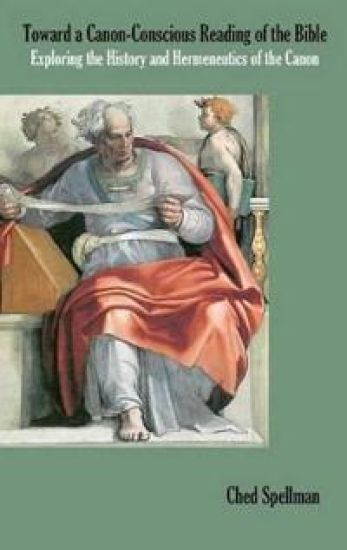
Two distinct questions about the canon of the Bible can be raised: (1) How did the biblical canon come to be?, and (2) What effect does that canon have on its readers? The former is a historical question about the formation of the biblical canon; the latter is a hermeneutical question about the function of the biblical canon. Though these questions have often been pursued in virtual isolation from one another, Spellman argues that there are considerable gains from observing the interconnections between the two lines of inquiry. On the historical question of the origin of the canon, Spellman asks, Is the shape of this collection an accident of history or a result of intelligent design? He concludes that canon-consciousness played an important role in the formation of the canon, even impinging on the work of the biblical authors themselves. On the hermeneutical question, the communities of readers of the Bible may also be shown to have been directed by their own canon-consciousness, using it as a guide in their interpretative task. In this interdisciplinary work, Spellman marshals historical, theological and hermeneutical resources in order to paint a picture of how the concept of canon can enrich reading communities of today.