Kirjojen hintavertailu – 12 903 725 kirjaa ja 27 kauppaa

Kirjailija

Cherríe Moraga

Kirjat ja teokset yhdessä paikassa: 8 kirjaa, julkaisuja vuosilta 2011–2026, suosituimpiin kuuluu Native Country of the Heart: A Memoir. Vertaile teosten hintoja ja tarkista saatavuus suomalaisista kirjakaupoista.

Nimi esiintyy myös muodoissa: Cherrîe Moraga

8 kirjaa

Kirjojen julkaisuvuodet: 2011–2026.

Puto

Puto

Ricardo A Bracho; Cherríe Moraga; Juana María Rodríguez

DUKE UNIVERSITY PRESS
2026
pokkari
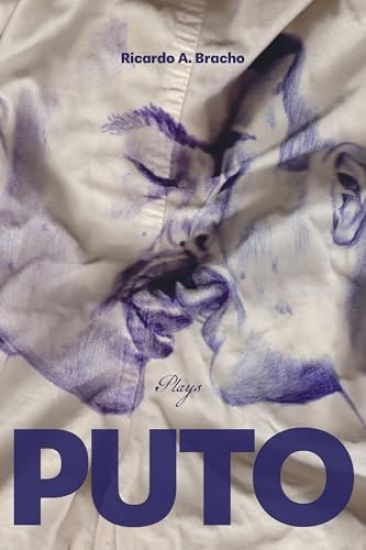
Ricardo A. Bracho is a queer Chicano Marxist playwright from Los Angeles whose theatrical works dramatize the lives of gay Black and Brown partisans of anti-capitalism and decolonization. Characterized by their playful use of theory, Bracho’s plays utilize the stage as a place for characters to debate questions of sexual and political liberation. Though Bracho’s work has been breaking ground within the experimental Latinx theater and arts community since the 1990s, his plays have not been widely accessible beyond their staging. Driven by passion—for politics, for the dancefloor, for dispossessed bodies, communities, and lands—Bracho’s award-winning plays express a polyphony of outlaw voices and contemporary dramas. With a foreword by Bracho’s teacher and iconic Chicana writer CherrÍe Moraga, an afterword by Juana Maria Rodriguez, as well as critical notes and an introduction by editors Jennifer Ponce de León, Richard T. Rodriguez, and Randall Williams, Puto makes Bracho’s key works available to a broader public for the first time, bringing Bracho’s frank, transgressive, and revolutionary work to the forefront just when the world needs it most.
Puto

Puto

Ricardo A Bracho; Cherríe Moraga; Juana María Rodríguez

DUKE UNIVERSITY PRESS
2026
sidottu
Ricardo A. Bracho is a queer Chicano Marxist playwright from Los Angeles whose theatrical works dramatize the lives of gay Black and Brown partisans of anti-capitalism and decolonization. Characterized by their playful use of theory, Bracho’s plays utilize the stage as a place for characters to debate questions of sexual and political liberation. Though Bracho’s work has been breaking ground within the experimental Latinx theater and arts community since the 1990s, his plays have not been widely accessible beyond their staging. Driven by passion—for politics, for the dancefloor, for dispossessed bodies, communities, and lands—Bracho’s award-winning plays express a polyphony of outlaw voices and contemporary dramas. With a foreword by Bracho’s teacher and iconic Chicana writer CherrÍe Moraga, an afterword by Juana Maria Rodriguez, as well as critical notes and an introduction by editors Jennifer Ponce de León, Richard T. Rodriguez, and Randall Williams, Puto makes Bracho’s key works available to a broader public for the first time, bringing Bracho’s frank, transgressive, and revolutionary work to the forefront just when the world needs it most.
The Faith Healer of Olive Avenue

The Faith Healer of Olive Avenue

Manuel Muñoz; Cherríe Moraga

NORTHWESTERN UNIVERSITY PRESS
2025
nidottu
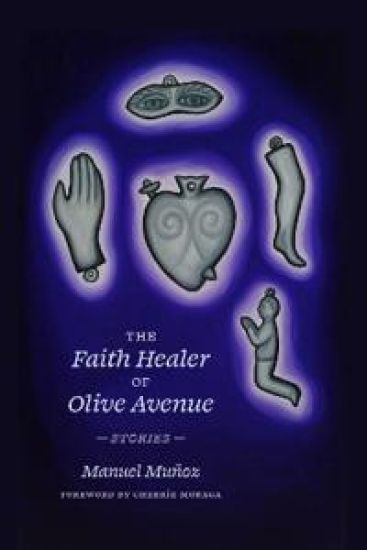
The luminous second collection that cemented Muñoz as a key voice of and for California's Central Valley From the divergent paths of triplet brothers to a grieving father confronting his mistreatment of his son, these stories interweave a recurring cast of neighborhood characters, many of them in search of escape or release. Lauded for its empathetic portrayals of communities often ignored, The Faith Healer of Olive Avenue won a Whiting Award and an O. Henry Award it was shortlisted for the Frank O'Connor International Short Story Award as one of the best collections published in English worldwide. A new foreword by author and activist Cherrí e Moraga gives testament to Muñoz's status as "the cartographer of a people."
Xicancuicatl

Xicancuicatl

Alfred Arteaga; Cherrîe Moraga

Wesleyan University Press
2021
sidottu
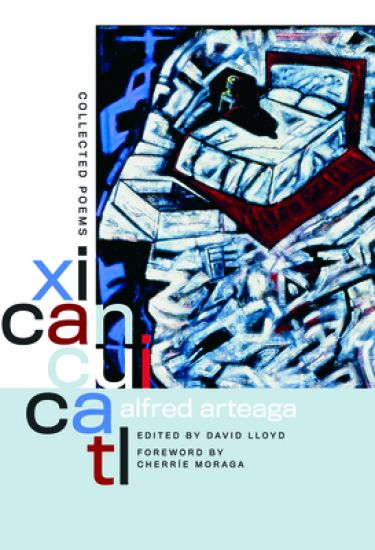
CAMINO IMAGINADO Blue leaves, hojas rotas in the shape of stars. Ni un "no" en tu vocabulario but for others; blue in place of green in the shape of Spain. Ojos the color of dirt, chocolate, coffee, time, azules las horas, hojas de horas van y se van, ni una palabra, ni una queja, nor broken bit a tu lado beside me andamos walking, sí walking caminamos caminos like these, such streets, what city. 7/15/95 Paris Xicancuicatl collects the poetry of leading avant-garde Chicanx poet Alfred Arteaga (1950–2008), whom French philosopher Gilles Deleuze regarded as "among those rare poets who are able to raise or shape a new language within their language." In his five published collections, Arteaga made crucial breakthroughs in the language of poetry, basing his linguistic experiments on the multilingual Xicanx culture of the US Southwest. His formal resources and finely tuned ear for sound patterns and language play remain astonishing. His poetical work, presented as a whole here for the first time, speaks more than ever to a moment in which border-crossing, cultural diversity, language-mixing and a multi-cultural vision of America are critical issues.
Xicancuicatl

Xicancuicatl

Alfred Arteaga; Cherrîe Moraga

Wesleyan University Press
2021
nidottu
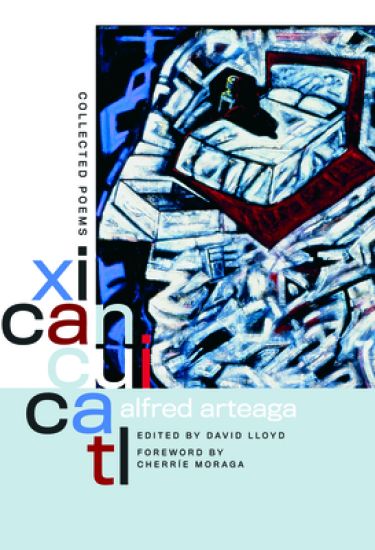
CAMINO IMAGINADO Blue leaves, hojas rotas in the shape of stars. Ni un "no" en tu vocabulario but for others; blue in place of green in the shape of Spain. Ojos the color of dirt, chocolate, coffee, time, azules las horas, hojas de horas van y se van, ni una palabra, ni una queja, nor broken bit a tu lado beside me andamos walking, sí walking caminamos caminos like these, such streets, what city. 7/15/95 Paris Xicancuicatl collects the poetry of leading avant-garde Chicanx poet Alfred Arteaga (1950–2008), whom French philosopher Gilles Deleuze regarded as "among those rare poets who are able to raise or shape a new language within their language." In his five published collections, Arteaga made crucial breakthroughs in the language of poetry, basing his linguistic experiments on the multilingual Xicanx culture of the US Southwest. His formal resources and finely tuned ear for sound patterns and language play remain astonishing. His poetical work, presented as a whole here for the first time, speaks more than ever to a moment in which border-crossing, cultural diversity, language-mixing and a multi-cultural vision of America are critical issues.
Native Country of the Heart: A Memoir

Native Country of the Heart: A Memoir

Cherríe Moraga

Picador USA
2020
nidottu
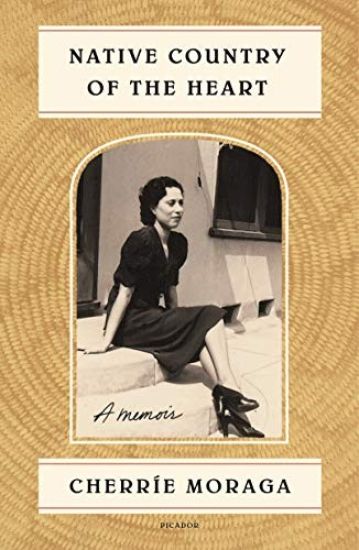
"This memoir's beauty is in its fierce intimacy." --Roy Hoffman, The New York Times Book Review One of Literary Hub's Most Anticipated Books of 2019 From the celebrated editor of This Bridge Called My Back, Cherr e Moraga charts her own coming-of-age alongside her mother's decline, and also tells the larger story of the Mexican American diaspora. Native Country of the Heart: A Memoir is, at its core, a mother-daughter story. The mother, Elvira, was hired out as a child, along with her siblings, by their own father to pick cotton in California's Imperial Valley. The daughter, Cherr e Moraga, is a brilliant, pioneering, queer Latina feminist. The story of these two women, and of their people, is woven together in an intimate memoir of critical reflection and deep personal revelation. As a young woman, Elvira left California to work as a cigarette girl in glamorous late-1920s Tijuana, where an ambiguous relationship with a wealthy white man taught her life lessons about power, sex, and opportunity. As Moraga charts her mother's journey--from impressionable young girl to battle-tested matriarch to, later on, an old woman suffering under the yoke of Alzheimer's--she traces her own self-discovery of her gender-queer body and Lesbian identity, as well as her passion for activism and the history of her pueblo. As her mother's memory fails, Moraga is driven to unearth forgotten remnants of a U. S. Mexican diaspora, its indigenous origins, and an American story of cultural loss. Poetically wrought and filled with insight into intergenerational trauma, Native Country of the Heart is a reckoning with white American history and a piercing love letter from a fearless daughter to the mother she will never lose.
A Xicana Codex of Changing Consciousness

A Xicana Codex of Changing Consciousness

Cherríe Moraga

Duke University Press
2011
pokkari
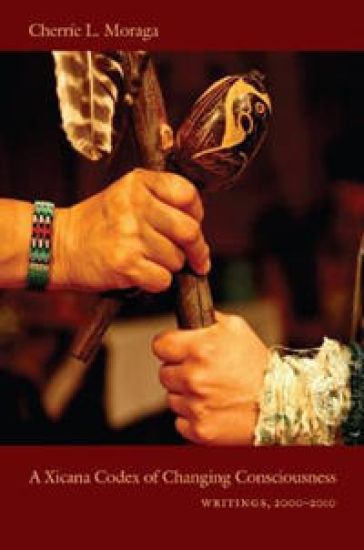
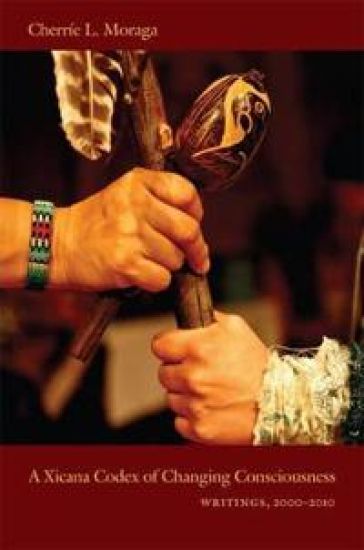
A Xicana Codex of Changing Consciousness features essays and poems by Cherríe L. Moraga, one of the most influential figures in Chicana/o, feminist, queer, and indigenous activism and scholarship. Combining moving personal stories with trenchant political and cultural critique, the writer, activist, teacher, dramatist, mother, daughter, comadre, and lesbian lover looks back on the first ten years of the twenty-first century. She considers decade-defining public events such as 9/11 and the campaign and election of Barack Obama, and she explores socioeconomic, cultural, and political phenomena closer to home, sharing her fears about raising her son amid increasing urban violence and the many forms of dehumanization faced by young men of color. Moraga describes her deepening grief as she loses her mother to Alzheimer’s; pays poignant tribute to friends who passed away, including the sculptor Marsha Gómez and the poets Alfred Arteaga, Pat Parker, and Audre Lorde; and offers a heartfelt essay about her personal and political relationship with Gloria Anzaldúa. Thirty years after the publication of Anzaldúa and Moraga’s collection This Bridge Called My Back, a landmark of women-of-color feminism, Moraga’s literary and political praxis remains motivated by and intertwined with indigenous spirituality and her identity as Chicana lesbian. Yet aspects of her thinking have changed over time. A Xicana Codex of Changing Consciousness reveals key transformations in Moraga’s thought; the breadth, rigor, and philosophical depth of her work; her views on contemporary debates about citizenship, immigration, and gay marriage; and her deepening involvement in transnational feminist and indigenous activism. It is a major statement from one of our most important public intellectuals.
A Xicana Codex of Changing Consciousness

A Xicana Codex of Changing Consciousness

Cherríe Moraga

Duke University Press
2011
sidottu
A Xicana Codex of Changing Consciousness features essays and poems by Cherríe L. Moraga, one of the most influential figures in Chicana/o, feminist, queer, and indigenous activism and scholarship. Combining moving personal stories with trenchant political and cultural critique, the writer, activist, teacher, dramatist, mother, daughter, comadre, and lesbian lover looks back on the first ten years of the twenty-first century. She considers decade-defining public events such as 9/11 and the campaign and election of Barack Obama, and she explores socioeconomic, cultural, and political phenomena closer to home, sharing her fears about raising her son amid increasing urban violence and the many forms of dehumanization faced by young men of color. Moraga describes her deepening grief as she loses her mother to Alzheimer’s; pays poignant tribute to friends who passed away, including the sculptor Marsha Gómez and the poets Alfred Arteaga, Pat Parker, and Audre Lorde; and offers a heartfelt essay about her personal and political relationship with Gloria Anzaldúa. Thirty years after the publication of Anzaldúa and Moraga’s collection This Bridge Called My Back, a landmark of women-of-color feminism, Moraga’s literary and political praxis remains motivated by and intertwined with indigenous spirituality and her identity as Chicana lesbian. Yet aspects of her thinking have changed over time. A Xicana Codex of Changing Consciousness reveals key transformations in Moraga’s thought; the breadth, rigor, and philosophical depth of her work; her views on contemporary debates about citizenship, immigration, and gay marriage; and her deepening involvement in transnational feminist and indigenous activism. It is a major statement from one of our most important public intellectuals.