Kirjojen hintavertailu – 12 859 819 kirjaa ja 27 kauppaa

Kirjailija

Chris Booth

Kirjat ja teokset yhdessä paikassa: 7 kirjaa, julkaisuja vuosilta 2004–2024, suosituimpiin kuuluu Lancashire Derbyshire and East Coast Railway: Chesterfield to Langwith. Vertaile teosten hintoja ja tarkista saatavuus suomalaisista kirjakaupoista.

7 kirjaa

Kirjojen julkaisuvuodet: 2004–2024.

Pit to Power Station

Pit to Power Station

Chris Booth

Fonthill Media Ltd
2022
pokkari
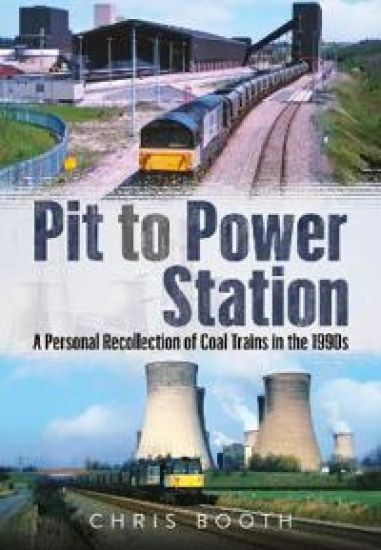
The 1990s were a decade of change on the railways with colliery closures and privatisation. This is a potted history of Worksop train crew depot, with photos of collieries, trains and power stations. There are maps, descriptions of each colliery and power station featured, diagrams, tables and coal plans to show where power station coal originated.
The Lancashire Derbyshire and East Coast Railway
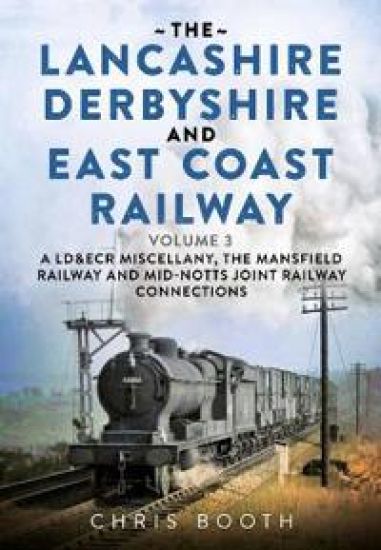
In the days when coal was “King“ plans were laid for an East to West cross country railway to connect the Manchester Ship Canal at Warrington, to a new dock to be built near the east coast village of Sutton On Sea. Entitled The Lancashire, Derbyshire and East Coast Railway, as history was to show only the Chesterfield to Pyewipe Junction section and a branch from Langwith to Beighton would ever be completed. Taken over by the G. C. R. in 1907, although primarily a coal carrying railway it had a passenger service that lasted in parts until 1955. Discover the former LD&ECR, the self-styled “Dukeries Route" and its connections through the lenses of photographers from a period of over 100 years. From the main line between Chesterfield and Lincoln, the Beighton Branch, the Sheffield District Railway, plus the connecting Mansfield Railway and the Mid Nott’s Joint Railway, to the motive power depots at Chesterfield, Tuxford and Langwith Junction. This is a photographic journey bringing you the story of the railway from the early days to today, and the last coal train to use the route.
The Lancashire Derbyshire and East Coast Railway
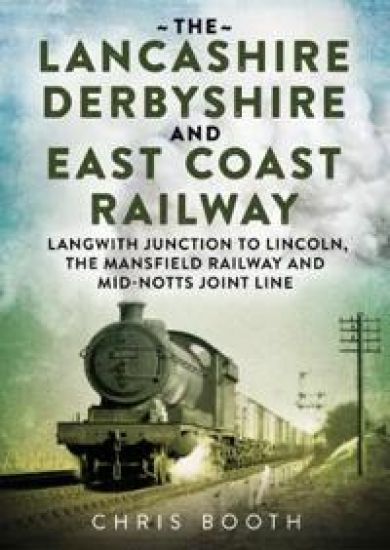
In the days when coal was king, an ambitious plan was laid for an east-to-west cross country rail route, connecting the Manchester Ship Canal at Warrington to a new dock near the small east coast village of Sutton-on-Sea. Grandly titled The Lancashire, Derbyshire and East Coast Railway, history was to show that this line would reach neither Warrington nor Sutton-on-Sea with only the Chesterfield to Pyewipe Junction section and a branch to Sheffield ever being completed. Taken over by the G. C. R. in 1907, the route was primarily a coal-carrying railway, although it did have a passenger service that lasted until 1955. Discover the former LD&ECR, the self-styled `Dukeries Route’ and its branches, through the lenses of photographers from over 100 years. From the main line between Chesterfield and Lincoln, the Beighton Branch, the Sheffield District Railway and the Mansfield Railway, to the motive power depots at Chesterfield, Tuxford and Langwith Junction. This is a photographic journey bringing you the story of the railway from the early days to its final days, including the last coal train to use the route.
Lancashire Derbyshire and East Coast Railway: Chesterfield to Langwith
In the days when coal was king, an ambitious plan was laid for an east-to-west cross country rail route, connecting the Manchester Ship Canal at Warrington to a new dock near the small east coast village of Sutton-on-Sea. Grandly titled The Lancashire, Derbyshire and East Coast Railway, history was to show that this line would reach neither Warrington nor Sutton-on-Sea with only the Chesterfield to Pyewipe Junction section and a branch to Sheffield ever being completed. Taken over by the G. C. R. in 1907, the route was primarily a coal-carrying railway, although it did have a passenger service that lasted until 1955. Discover the former LD&ECR, the self-styled 'Dukeries Route' and its branches, through the lenses of photographers from over 100 years. From the main line between Chesterfield and Lincoln, the Beighton Branch, the Sheffield District Railway and the Mansfield Railway, to the motive power depots at Chesterfield, Tuxford and Langwith Junction. This is a photographic journey bringing you the story of the railway from the early days to its final days, including the last coal train to use the route.
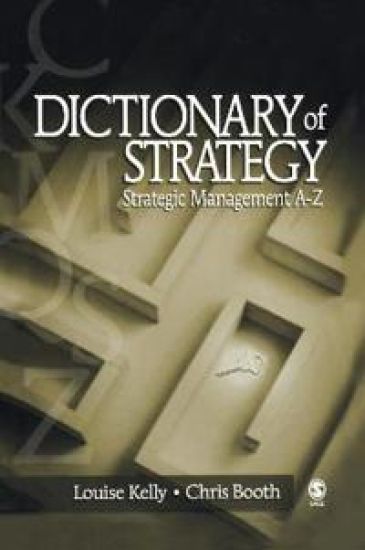
Dictionary of Strategy

Dictionary of Strategy

Louise Kelly; Chris Booth

SAGE Publications Inc
2004
sidottu
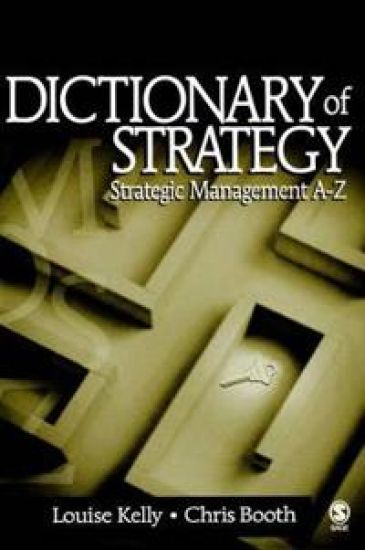
The Dictionary of Strategy: Strategic Management A-Z is a lively, contemporary sourcebook that will help illuminate major debates, issues, and scholarship in strategic management. The dictionary is a teaching tool that introduces the reader to the major terms in the field, giving them a general framework of strategic management. The book presents a unique, existential view of strategy that emphasizes strategic debate of the big issues, strategic thinking at all levels of the organization, and the idea that that one can start at many different points and gain information about the environment and constraints necessary to form an appropriate strategy. Truly student oriented, the Dictionary of Strategy was compiled based on author Louise Kelly's MBA classes and presents over 550 important strategic management terms and concepts. The entries present a historical context showing how views have changed and evolved, and invite the reader to think more deeply about the issues raised. Over 20% of the terms and concepts reflect very recent material from magazines, academic journals, and conferences, offering the latest cutting edge research and debates. It also contains multinational and multicultural examples and is not solely focused on US companies and business situations. The dictionary will be an essential reference to practitioners, managers, academics and students in management and strategic management classes at the undergraduate, MBA, and doctoral level.

Dictionary of Strategy

Dictionary of Strategy

Louise Kelly; Chris Booth

SAGE Publications Inc
2004
nidottu
The Dictionary of Strategy: Strategic Management A-Z is a lively, contemporary sourcebook that will help illuminate major debates, issues, and scholarship in strategic management. The dictionary is a teaching tool that introduces the reader to the major terms in the field, giving them a general framework of strategic management. The book presents a unique, existential view of strategy that emphasizes strategic debate of the big issues, strategic thinking at all levels of the organization, and the idea that that one can start at many different points and gain information about the environment and constraints necessary to form an appropriate strategy. Truly student oriented, the Dictionary of Strategy was compiled based on author Louise Kelly's MBA classes and presents over 550 important strategic management terms and concepts. The entries present a historical context showing how views have changed and evolved, and invite the reader to think more deeply about the issues raised. Over 20% of the terms and concepts reflect very recent material from magazines, academic journals, and conferences, offering the latest cutting edge research and debates. It also contains multinational and multicultural examples and is not solely focused on US companies and business situations. The dictionary will be an essential reference to practitioners, managers, academics and students in management and strategic management classes at the undergraduate, MBA, and doctoral level.