Kirjojen hintavertailu – 12 859 829 kirjaa ja 27 kauppaa

Kirjailija

Chris Evans

Kirjat ja teokset yhdessä paikassa: 49 kirjaa, julkaisuja vuosilta 1993–2026, suosituimpiin kuuluu Gary Lineker. Vertaile teosten hintoja ja tarkista saatavuus suomalaisista kirjakaupoista.

49 kirjaa

Kirjojen julkaisuvuodet: 1993–2026.

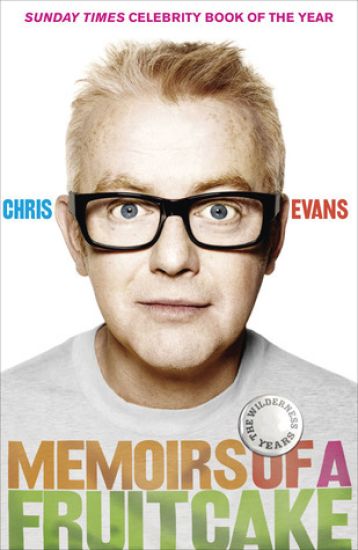
Memoirs of a Fruitcake

Memoirs of a Fruitcake

Chris Evans

HarperCollins Publishers Ltd
2011
nidottu
Sunday Times Celebrity Book of the Year 2010 In It’s Not What You Think Chris Evans had seemingly found the recipe for success. He was rich, famous, and now the owner of his own radio station and media company. What could possibly go wrong? As it turned out, the answer was everything…well almost. When we left our loveable ginger hero at the end of It's Not What You Think, it looked like Chris had made it. But things were about to take a very dark turn. Soon Chris’s childhood dreams of a job in radio lay in tatters, and as an endless drink-fuelled lifestyle began to take its toll, he plunged into a downward spiral so deep that escape seemed almost impossible. And then his salvation appeared, in the form of a young singer called Billie Piper. Told with the same wit, verve and startling honesty that surprised and delighted readers of It’s Not What You Think, this is the final part – for now – of Chris Evans’s journey of self discovery.
Slave Wales

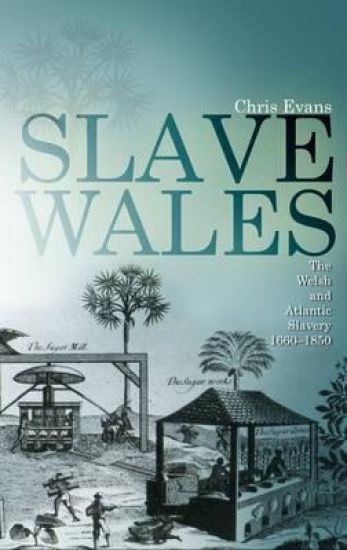
Slave Wales

Chris Evans

University of Wales Press
2010
nidottu
Atlantic slavery does not loom large in the traditional telling of Welsh history. Yet Wales, like many regions of Europe, was deeply affected by the forced migration of captive Africans. This book looks at Slave Wales between 1660 and 1850. It casts light on episodes such as Welsh involvement with slave-based copper mining in 19th-century Cuba.
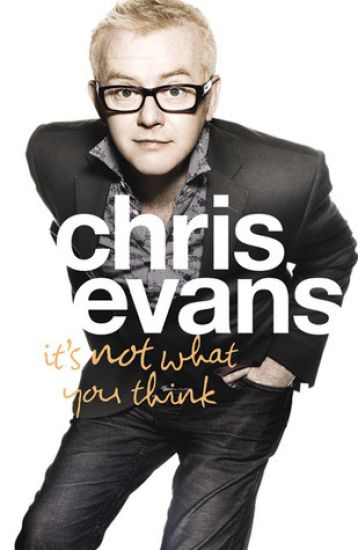
It’s Not What You Think

It’s Not What You Think

Chris Evans

HARPERCOLLINS PUBLISHERS
2010
nidottu
The story of how one council estate lad made good, really very good, and survived – just about – to tell the tale… Chris Evans’s extraordinary career has seen him become one of the country’s most successful broadcasters and producers. From The Big Breakfast to Don’t Forget Your Toothbrush and TFI Friday, Chris changed the TV landscape during the ‘90s; and on Manchester’s Piccadilly Radio, BBC Radio 1’s Breakfast show and as owner of Virgin Radio he ushered in the age of the celebrity DJ. But this is only part of the Chris Evans story. In this witty and energetically written autobiography, Chris describes the experiences that shaped the boy and created the man who would go on to carve out such a dazzlingly brilliant career. Born on a dreary council estate in Warrington and determined to escape, Chris started out as the best newspaper boy on the block, armed with no more than a little silver Binatone radio that he would take to the newsagents each day and through which he would develop a life-long and passionate love affair with the music and voices that emerged. From paperboy to media mogul, It’s Not What You Think isn’t what you think – it’s the real story beyond the glare of the media spotlight from one of this country’s brightest and boldest personalities.
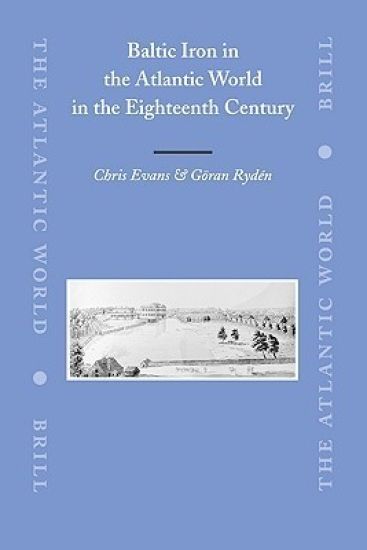
Baltic Iron in the Atlantic World in the Eighteenth Century
The eighteenth century is often viewed as the heroic age of the British iron industry - a time of triumphant technological progress. In fact, it was an age of thwarted ambition, when the take-up of new technologies proved frustratingly slow. The eighteenth century was more accurately the age of Baltic iron. Swedish and Russian iron surged onto the British market, meeting the demand that British ironmasters could not satisfy. This was of epochal importance: Swedish iron allowed British steel makers and hardware manufacturers to dominate Atlantic markets. In turn, the rhythms of Atlantic commerce resounded through peasant communities in Sweden. Baltic iron in the Atlantic world captures this moment. In doing so it internationalises Swedish history in a radical way and presses an oceanic perspective on the traditionally insular view of the rise of heavy industry in Britain.
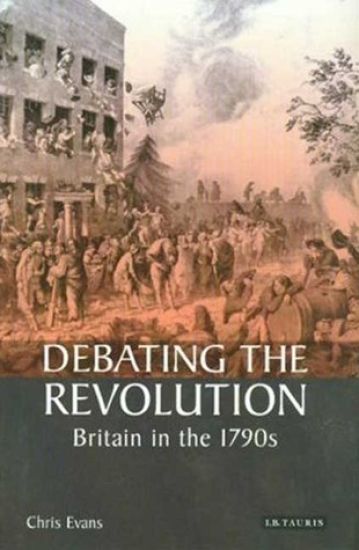
Debating the Revolution

Debating the Revolution

Chris Evans

I.B. Tauris
2006
sidottu
The 1790s was a fateful period for Britain. The French Revolution of 1789 opened an era of seismic political upheaval, one in which many features of the modern world made their first significant appearance. Democracy, mass nationalism, wholesale military mobilisation, and anti-colonial revolt all made their most telling debuts in the revolutionary era. This was not a struggle from which the British could stand aloof. Nor did they. Britons were right at the forefront of the debate over the Revolution. Edmund Burke's "Reflections on the Revolution in France" defended the established order while Tom Paine's "Rights of Man" attacked hereditary privilege and preached democracy. This was no rarefied intellectual debate, it resounded through clubs, taverns, theatres, chapels and assembly rooms. As it did so, Britons were forced to question many constitutional assumptions. Was the possession of an empire compatible with domestic liberty? Did the House of Commons reflect popular opinion or the prejudices of aristocratic patrons? Could they enjoy genuine constitutional liberty if their constitution denied political rights to Roman Catholics and Protestant Dissenters? Chris Evans's study, based on the latest historiography, brilliantly demonstrates how these latent intellectual and political anxieties were sharpened by the French Revolution. Loyalist mobilisation, radical agitation, draconian repression, and military confrontation are combined to re-shape British society and the British state.