Kirjojen hintavertailu – 12 903 725 kirjaa ja 27 kauppaa

Kirjailija

Chris Perriam

Kirjat ja teokset yhdessä paikassa: 8 kirjaa, julkaisuja vuosilta 1995–2017, suosituimpiin kuuluu Desire and Dissent. Vertaile teosten hintoja ja tarkista saatavuus suomalaisista kirjakaupoista.

8 kirjaa

Kirjojen julkaisuvuodet: 1995–2017.

French and Spanish Queer Film

French and Spanish Queer Film

Chris Perriam; Darren Waldron

Edinburgh University Press
2017
sidottu
Headline: Examines how LGBT filmmaking in France and Spain moves across borders and finds new audiencesBlurb: The book advances the current state of film audience research and of our knowledge of sexuality in transnational contexts by analysing how French LGBTQ films are seen in Spain and Spanish ones in France. It studies films (in various media and platforms) and their reception across four languages (Spanish, French, Catalan, English) and considers and engages with participants from across a range of digital and physical audience locations, with a particular focus on festivals. It examines films that chronicle the local (in portraying national and sub-national identities) and draws on the regional-global (translating and transferring foreign models of non-heterosexual experience). No comparative and crosscutting study with audience research at its heart has yet been undertaken. Key Features:Offers a full, clear, and comparative cultural history of LGBTQ film since the 1990s in France and Spain and of its activist and theory-inspired connectionsHas audience reception at the core, working with an extensive corpus of responsesMakes broad use of social networking sites and the popular LGBTQ press to gauge response Covers LGBTQ festivals including those in Barcelona, Bilbao, London, Lyon, Madrid, Manchester, Paris and Toulouse Is interested in short, independent, ephemeral and documentary film production as well as commercially-pitched feature filmsLooks at the cross-border impact of the auteur and big-name directors (e.g. Pedro Almodvar, Cesc Gay, Sebastien Lifshitz, Francois Ozon) Sets its findings against mainstream LGBTQ critical reception, written in Catalan, English, French, and SpanishKeywords: French cinema; Spanish cinema; audiences; LGBTQ cultures; lesbian and gay film festivalsSubject: Film StudiesHeadline: Examines how LGBT filmmaking in France and Spain moves across borders and finds new audiencesBlurb: The book advances the current state of film audience research and of our knowledge of sexuality in transnational contexts by analysing how French LGBTQ films are seen in Spain and Spanish ones in France. It studies films (in various media and platforms) and their reception across four languages (Spanish, French, Catalan, English) and considers and engages with participants from across a range of digital and physical audience locations, with a particular focus on festivals. It examines films that chronicle the local (in portraying national and sub-national identities) and draws on the regional-global (translating and transferring foreign models of non-heterosexual experience). No comparative and crosscutting study with audience research at its heart has yet been undertaken. Key Features:Offers a full, clear, and comparative cultural history of LGBTQ film since the 1990s in France and Spain and of its activist and theory-inspired connectionsHas audience reception at the core, working with an extensive corpus of responsesMakes broad use of social networking sites and the popular LGBTQ press to gauge response Covers LGBTQ festivals including those in Barcelona, Bilbao, London, Lyon, Madrid, Manchester, Paris and Toulouse Is interested in short, independent, ephemeral and documentary film production as well as commercially-pitched feature filmsLooks at the cross-border impact of the auteur and big-name directors (e.g. Pedro Almodvar, Cesc Gay, Sebastien Lifshitz, Francois Ozon) Sets its findings against mainstream LGBTQ critical reception, written in Catalan, English, French, and SpanishKeywords: French cinema; Spanish cinema; audiences; LGBTQ cultures; lesbian and gay film festivalsSubject: Film Studies
French and Spanish Queer Film

French and Spanish Queer Film

Chris Perriam; Darren Waldron

Edinburgh University Press
2016
sidottu
Headline: Examines how LGBT filmmaking in France and Spain moves across borders and finds new audiencesBlurb: The book advances the current state of film audience research and of our knowledge of sexuality in transnational contexts by analysing how French LGBTQ films are seen in Spain and Spanish ones in France. It studies films (in various media and platforms) and their reception across four languages (Spanish, French, Catalan, English) and considers and engages with participants from across a range of digital and physical audience locations, with a particular focus on festivals. It examines films that chronicle the local (in portraying national and sub-national identities) and draws on the regional-global (translating and transferring foreign models of non-heterosexual experience). No comparative and crosscutting study with audience research at its heart has yet been undertaken. Key Features:Offers a full, clear, and comparative cultural history of LGBTQ film since the 1990s in France and Spain and of its activist and theory-inspired connectionsHas audience reception at the core, working with an extensive corpus of responsesMakes broad use of social networking sites and the popular LGBTQ press to gauge response Covers LGBTQ festivals including those in Barcelona, Bilbao, London, Lyon, Madrid, Manchester, Paris and Toulouse Is interested in short, independent, ephemeral and documentary film production as well as commercially-pitched feature filmsLooks at the cross-border impact of the auteur and big-name directors (e.g. Pedro Almodvar, Cesc Gay, Sebastien Lifshitz, Francois Ozon) Sets its findings against mainstream LGBTQ critical reception, written in Catalan, English, French, and SpanishKeywords: French cinema; Spanish cinema; audiences; LGBTQ cultures; lesbian and gay film festivalsSubject: Film StudiesHeadline: Examines how LGBT filmmaking in France and Spain moves across borders and finds new audiencesBlurb: The book advances the current state of film audience research and of our knowledge of sexuality in transnational contexts by analysing how French LGBTQ films are seen in Spain and Spanish ones in France. It studies films (in various media and platforms) and their reception across four languages (Spanish, French, Catalan, English) and considers and engages with participants from across a range of digital and physical audience locations, with a particular focus on festivals. It examines films that chronicle the local (in portraying national and sub-national identities) and draws on the regional-global (translating and transferring foreign models of non-heterosexual experience). No comparative and crosscutting study with audience research at its heart has yet been undertaken. Key Features:Offers a full, clear, and comparative cultural history of LGBTQ film since the 1990s in France and Spain and of its activist and theory-inspired connectionsHas audience reception at the core, working with an extensive corpus of responsesMakes broad use of social networking sites and the popular LGBTQ press to gauge response Covers LGBTQ festivals including those in Barcelona, Bilbao, London, Lyon, Madrid, Manchester, Paris and Toulouse Is interested in short, independent, ephemeral and documentary film production as well as commercially-pitched feature filmsLooks at the cross-border impact of the auteur and big-name directors (e.g. Pedro Almodvar, Cesc Gay, Sebastien Lifshitz, Francois Ozon) Sets its findings against mainstream LGBTQ critical reception, written in Catalan, English, French, and SpanishKeywords: French cinema; Spanish cinema; audiences; LGBTQ cultures; lesbian and gay film festivalsSubject: Film Studies
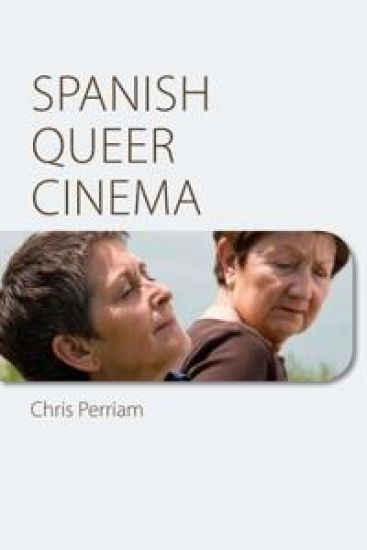
Spanish Queer Cinema

Spanish Queer Cinema

Chris Perriam

Edinburgh University Press
2014
nidottu
This book examines filmmaking, festivals, queer lives and cultures in Spain since 1998. Since the Catalan government passed the first of Spain's regional governmental laws on same-sex partnership in 1998, lesbian, gay, bisexual, transsexual and queer culture in Spain has thrived. Spanish Queer Cinema assesses the impact of this significant cultural expression on Spanish Cinema and evaluates the role LGBTQ film has had in creating and shaping identity and experience. Focusing on films from 1998 to the present day, Chris Perriam skilfully analyses the development of LGBTQ filmmaking and filmwatching in Spain and places this within the wider cultural context. Covering lesbian cinema, gay and queer documentaries and short films, as well as mainstream features, the book investigates how these films are distributed and how audiences react to them. An informative and thought-provoking book, Spanish Queer Cinema is an essential read for students and scholars working in the fields of Film Studies, Spanish Studies and Cultural Studies. It clarifies the issue of what 'queer' can signify in Spanish contexts. It takes full account of lesbian film culture in Spain. It covers short and documentary film production as well as commercially-pitched feature films. It makes extensive use of social networking sites and the popular LGBT press to gauge response. It devotes space to the closely related cultural industries of popular fiction and its sales and distribution, and to the relations of script to screen.
Spanish Queer Cinema

Spanish Queer Cinema

Chris Perriam

Edinburgh University Press
2013
sidottu
This title examines filmmaking, festivals, queer lives and cultures in Spain since 1998. Since the Catalan government passed the first of Spain's regional governmental laws on same-sex partnership in 1998, lesbian, gay, bisexual, transsexual and queer culture in Spain has thrived. Spanish Queer Cinema assesses the impact of this significant cultural expression on Spanish Cinema and evaluates the role LGBTQ film has had in creating and shaping identity and experience. Focusing on films from 1998 to the present day, Chris Perriam skilfully analyses the development of LGBTQ filmmaking and filmwatching in Spain and places this within the wider cultural context. Covering lesbian cinema, gay and queer documentaries and short films, as well as mainstream features, the book investigates how these films are distributed and how audiences react to them. An informative and thought-provoking book, Spanish Queer Cinema is an essential read for students and scholars working in the fields of Film Studies, Spanish Studies and Cultural Studies. It clarifies the issue of what 'queer' can signify in Spanish contexts and privileges non-'gay' cultural production. It takes full account of lesbian film culture in Spain. It covers short and documentary film production as well as commercially-pitched feature films. It makes extensive use of social networking sites and the popular LGBT press to gauge response. It devotes space to the closely related cultural industries of popular fiction and its sales and distribution, and to the relations of script to screen.
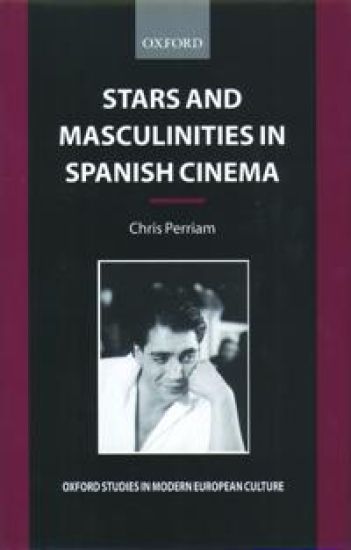
Stars and Masculinities in Spanish Cinema

Stars and Masculinities in Spanish Cinema

Chris Perriam

Oxford University Press
2003
sidottu
Stars and Masculinities in Spanish Cinema focuses on the careers of ten Spanish film actors, including Antonio Banderas, Javier Bardem, and Eduardo Noriega. Chris Perriam traces their development as stars in the Spanish context and builds on recent, exciting work on Spanish film and culture by combining close study of performance in specific scenes with the theoretical paradigms of Star Studies and research into masculinities. Full use of popular and intellectual press coverage of these actors grounds the approach in the certain specifics of Spanish audience responses and production contexts in the period covered - more or less from Almodòvar's Labyrinth of Passion to the latest premieres. Scenes from thirty key films are covered in detail, and the full range of each star's Spanish career is studied by briefer reference to some seventy films or more. Spanish cinema is among the most exciting and distinctive cinemas in Europe and this new study is a key contribution to the growing fields of Spanish Cultural and Film Studies.
A New History of Spanish Writing, 1939 to the 1990s

A New History of Spanish Writing, 1939 to the 1990s

Chris Perriam; Michael Thompson; Susan Frenk; Vanessa Knights

Oxford University Press
2000
sidottu
A New History of Spanish Writing, 1939 to the 1990s explores the diversity of some sixty years of imaginative writing by Spaniards, its interactions with Spains peculiarly dramatic history since the end of its Civil War, and its wider thematic significance. It covers the famous and canonical texts of the most recent in Modern Spanish literature but also explores areas less well-known outside Spain (essays and editorials, queer narrative, new poetry, comics, and texts of the militant and reactionary Right). More space than is usual in literary histories is allowed for commentary on famous texts, but the book also makes room for the marginalized and for socially contextualized explorations of the interconnectedness of various forms of writing. The overall structure is not chronological but thematic, dealing with abstract and topical issues such as silence, the family, or realism.
A New History of Spanish Writing, 1939 to the 1990s

A New History of Spanish Writing, 1939 to the 1990s

Chris Perriam; Michael Thompson; Susan Frenk; Vanessa Knights

Oxford University Press
2000
nidottu
A New History of Spanish Writing, 1939 to the 1990s explores the diversity of some sixty years of imaginative writing by Spaniards, its interactions with Spains peculiarly dramatic history since the end of its Civil War, and its wider thematic significance. It covers the famous and canonical texts of the most recent in Modern Spanish literature but also explores areas less well-known outside Spain (essays and editorials, queer narrative, new poetry, comics, and texts of the militant and reactionary Right). More space than is usual in literary histories is allowed for commentary on famous texts, but the book also makes room for the marginalized and for socially contextualized explorations of the interconnectedness of various forms of writing. The overall structure is not chronological but thematic, dealing with abstract and topical issues such as silence, the family, or realism.
Desire and Dissent

Desire and Dissent

Chris Perriam

Berg Publishers
1995
sidottu
Luis Antonio de Villena (b. 1951), one of modern Spain's best-known writers, tackles subjects as varied as the nightlife of Madrid, Renaissance art, sex, the nature of love, Plato, blue jeans, classicism and rock music. In this provocative new book, Chris Perriam places Villena's creative work in relation to the contemporary Spanish cultural scene, to 20th century homosexual culture and to significant gay and dissident figures of the past, including Lorca and Luis Cernuda, and explains how Villena has developed a radical new aesthetic out of the old raw materials of love, sex, death, power, and the primacy of art and desire.