Kirjojen hintavertailu – 12 903 725 kirjaa ja 27 kauppaa
Kirjailija
Chris Wyatt
Kirjat ja teokset yhdessä paikassa: 12 kirjaa, julkaisuja vuosilta 2008–2025, suosituimpiin kuuluu Marvel. Ant-Man. Zombikarkote. Vertaile teosten hintoja ja tarkista saatavuus suomalaisista kirjakaupoista.
Zombivirus leviää New Yorkin Keskuspuistossa... muurahaisesta toiseen! Aluksi vaarattomalta vaikuttanut epidemia saa pelottavia piirteitä, kun hyönteisiä vaivannut tauti tarttuu ihmisiin. Edes Kostajat eivät ole turvassa zombiksi muuttavalta virukselta. Kun lihaskimput ja vasaranheiluttajat ovat voimattomia, tehtävään tarttuu sankareista pienin - Scott Lang, ihmeellinen Muurahaismies! Muurahaismies käy kiivaaseen kamppailuun aikaa vastaan ratkaistakseen kaamean taudin alkuperän ennen kuin koko kaupunki joutuu elävien kuolleiden valtaan. Kokoa vaihtavan sankarin tie vie New Yorkin taivaalta muurahaispesien uumeniin, makromaailmasta mikroskooppisiin mittoihin... Iskevästi kuvitettu seikkailuromaani pitää otteessaan viimeiseen zombikarkotteen suihkaukseen asti.
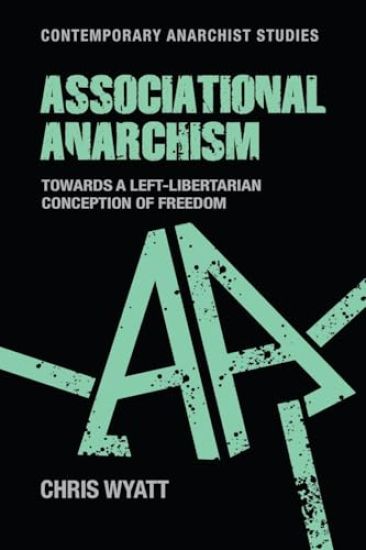
Associational anarchism presents a ground-breaking alternative to both liberal democracy and state socialism, derived from the ideas of Karl Marx and G. D. H. Cole. Uniting the public sphere of citizenship with the private sphere of production in a system of communal ownership, the book proposes a scheme of horizontal networks held together through libertarian politics. With no role for a centralised state, the functions of coordination and administration are fulfilled through pluralist self-governance. Political intermediation proceeds via a web of functional associations, which operate within a system of revitalised communities, while management is carried out through modes of self-regulation that embody the key anarchist values of equality, solidarity and mutual-aid.
Kapteeni Ihme ja Galaksin Vartijat kauhistuttavan avaruusroiston kannoilla! Knowhere on avaruuden kansojen kohtaamispaikka ja Galaksin Vartijat -sankariryhmän tukikohta. Aseman rauha kuitenkin järkkyy, kun muotoa muuttava skrull-kelmi ilmestyy paikalle – mukanaan mullistava superase! Kapteeni Ihme ja Tähtilordi Peter Quill yhdistävät voimansa ja koettavat paikantaa pahantekijän, ennen kuin kokonaiset planeetat saavat kokea superaseen tuhovoiman. Vaan miten sankarit suoriutuvat tehtävästä, kun roisto voi naamioitua keneksi tahansa? Voiko keneenkään enää luottaa?
Associational anarchism presents a ground-breaking alternative to both liberal democracy and state socialism, derived from the ideas of Karl Marx and G. D. H. Cole. Uniting the public sphere of citizenship with the private sphere of production in a system of communal ownership, the book proposes a scheme of horizontal networks held together through libertarian politics. With no role for a centralised state, the functions of coordination and administration are fulfilled through pluralist self-governance. Political intermediation proceeds via a web of functional associations, which operate within a system of revitalised communities, while management is carried out through modes of self-regulation that embody the key anarchist values of equality, solidarity and mutual-aid.
Iron Man forms a new team of Avengers to save his friends from the evil robot, Ultron. Aligned to Common Core Standards and correlated to state standards. Spotlight is a division of ABDO.
Go on an adventure with Marvel's newest Avengers, including Hawkeye, Black Widow, Falcon, Scarlet Witch, Quicksilver, and the Vision. Aligned to Common Core Standards and correlated to state standards. Spotlight is a division of ABDO.
Go on an adventure with Marvel's favorite shrinking super-hero, Scott Lang, otherwise known as the Ant-Man. Aligned to Common Core Standards and correlated to state standards. Spotlight is a division of ABDO.
New Economic Democracy establishes a self-governing civil society, unifying the private sphere of production and the public sphere of citizenship within a non-statist scheme of communal ownership. It provides the premises to seeking a solution to Marx's fetishism of commodities. Only a thorough restructuring of the economic and political institutions can provide the social climate in which the phenomenon of fetishism can be transcended. Defetishizing the commodity implies reversing the concealment of the social relations through which commodities are produced and preventing the tendency to bestow magical characteristics to commodities. The key imperative to the defetishized society is a system of genuinely democratic institutions. iprovides this necessary corrective and also challenges the prediction that politico-economic organizations, like worker cooperatives, are destined to be dominated by the dictates of oligarchs. The explanatory approach of Marx's concepts combined with an original argument will make the book a valuable research tools to students and researchers in political theory, democratic theory, and political economy.
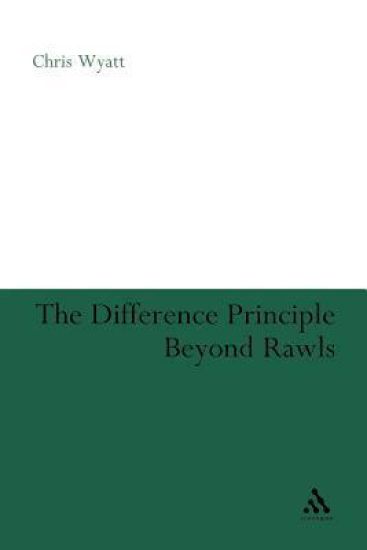
Since the publication of John Rawls' A Theory of Justice (1971) - followed up by Political Liberalism (1993) and Justice as Fairness: A Restatement (2001) - discussions on social justice and redistributive liberalism have taken center stage in contemporary political theory. This book adds to an enormous body of literature. It does not question Rawlsian principles, but it does reject the liberal institutions he advocates. A debate is constructed in which his liberalism is contrasted with a libertarian socialism informed by the English theorist of guild socialism G. D. H. Cole (1889-1959). These two authors visualize alternative macro socio-economic schemes. Although they are set within modern liberal and libertarian socialist frameworks respectively, they share a commitment to reducing vast inequalities in wealth. Central to the Rawlsian scheme is the difference principle - that inequalities are only permitted if they benefit the least well off. Rawls proposes that citizens deliberating without awareness of subjective talents - a collective lack of knowledge captured by the Rawlsian term the veil of ignorance - will be compelled to prioritize a society structured to accommodate this principle to other systems in which inequalities are allowed to concentrate with lesser degrees of regulation. This assertion will not be challenged. However, it is shown how the difference principle will be more easily realized in the left libertarian scheme, in which the author defends. The argument is that Rawlsian premises point to a more radical conclusion than Rawls acknowledges.
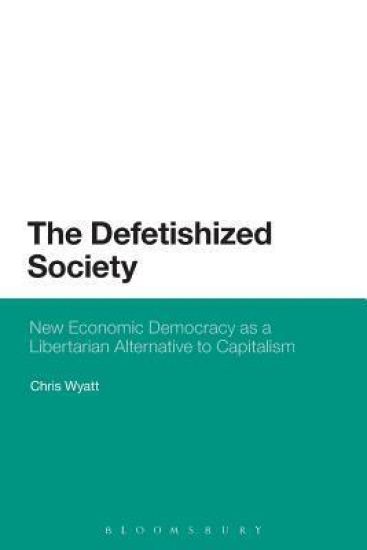
New Economic Democracy establishes a self-governing civil society, unifying the private sphere of production and the public sphere of citizenship within a non-statist scheme of communal ownership. It provides the premises to seeking a solution to Marx's fetishism of commodities. Only a thorough restructuring of the economic and political institutions can provide the social climate in which the phenomenon of fetishism can be transcended. Defetishizing the commodity implies reversing the concealment of the social relations through which commodities are produced and preventing the tendency to bestow magical characteristics to commodities. The key imperative to the defetishized society is a system of genuinely democratic institutions. The New Economic Democracy provides this necessary corrective and also challenges the prediction that politico-economic organizations, like worker cooperatives, are destined to be dominated by the dictates of oligarchs. The explanatory approach of Marx's concepts combined with an original argument will make the book a valuable research tools to students and researchers in political theory, democratic theory, and political economy.
This book does not question Rawlsian principles, but it does reject the liberal institutions he advocates. Since the publication of John Rawls' "A Theory of Justice" (1971) - followed up by "Political Liberalism" (1993) and "Justice as Fairness: A Restatement" (2001) - discussions on social justice and redistributive liberalism have taken center stage in contemporary political theory. This book adds to an enormous body of literature. It does not question Rawlsian principles, but it does reject the liberal institutions he advocates. A debate is constructed in which his liberalism is contrasted with a libertarian socialism informed by the English theorist of guild socialism G. D. H. Cole (1889-1959). These two authors visualize alternative macro socio-economic schemes. Although they are set within modern liberal and libertarian socialist frameworks respectively, they share a commitment to reducing vast inequalities in wealth. Central to the Rawlsian scheme is the difference principle - that inequalities are only permitted if they benefit the least well off. Rawls proposes that citizens deliberating without awareness of subjective talents - a collective lack of knowledge captured by the Rawlsian term the veil of ignorance - will be compelled to prioritize a society structured to accommodate this principle to other systems in which inequalities are allowed to concentrate with lesser degrees of regulation. This assertion will not be challenged. However, it is shown how the difference principle will be more easily realized in the left libertarian scheme, in which the author defends. The argument is that Rawlsian premises point to a more radical conclusion that Rawls acknowledges.