Kirjojen hintavertailu – 12 903 725 kirjaa ja 27 kauppaa

Kirjailija

Christa Craven

Kirjat ja teokset yhdessä paikassa: 6 kirjaa, julkaisuja vuosilta 2010–2022, suosituimpiin kuuluu Pushing for Midwives. Vertaile teosten hintoja ja tarkista saatavuus suomalaisista kirjakaupoista.

6 kirjaa

Kirjojen julkaisuvuodet: 2010–2022.

Feminist Ethnography

Feminist Ethnography

Dána-Ain Davis; Christa Craven

BLOOMSBURY PUBLISHING PLC
2022
sidottu
Feminist Ethnography, Second Edition, is a cross-cultural and interdisciplinary text that employs a problem-based approach to guide readers through the methods, challenges, and possibilities of feminist ethnography. Dána-Ain Davis and Christa Craven tease out the influences of feminist ethnography across a variety of disciplines including women’s and gender studies, critical race studies, ethnic studies, education, communications, psychology, sociology, urban studies, and American studies. Feature elements of the text include Essentials (excerpts from key texts in the field), Spotlights (interviews with feminist ethnographers), and suggested assignments and readings. The text concludes with a “conversation” among contemporary feminist ethnographers about what feminist ethnography looks like today and into the future.
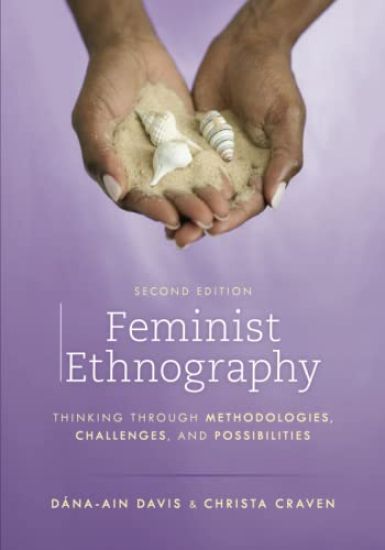
Feminist Ethnography

Feminist Ethnography

Dána-Ain Davis; Christa Craven

BLOOMSBURY PUBLISHING PLC
2022
nidottu

Halvin toimitettuna 57,80 €

Feminist Ethnography, Second Edition, is a cross-cultural and interdisciplinary text that employs a problem-based approach to guide readers through the methods, challenges, and possibilities of feminist ethnography. Dána-Ain Davis and Christa Craven tease out the influences of feminist ethnography across a variety of disciplines including women’s and gender studies, critical race studies, ethnic studies, education, communications, psychology, sociology, urban studies, and American studies. Feature elements of the text include Essentials (excerpts from key texts in the field), Spotlights (interviews with feminist ethnographers), and suggested assignments and readings. The text concludes with a “conversation” among contemporary feminist ethnographers about what feminist ethnography looks like today and into the future.
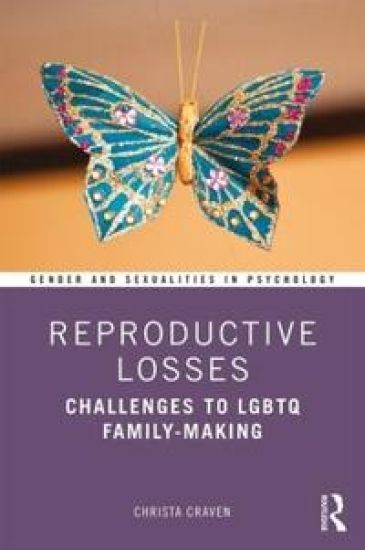
Reproductive Losses

Reproductive Losses

Christa Craven

Routledge
2019
nidottu
Although there are far more opportunities for LGBTQ people to become parents than there were before the 1990s, attention to the reproductive challenges LGBTQ families face has not kept pace. Reproductive Losses considers LGBTQ people’s experiences with miscarriage, stillbirth, failed adoptions, infertility, and sterility. Drawing on Craven’s training as a feminist anthropologist and her experiences as a queer parent who has experienced loss, Reproductive Losses includes detailed stories drawn from over fifty interviews with LGBTQ people (including those who carried pregnancies, non-gestational and adoptive parents, and families from a broad range of racial/ethnic, socio-economic, and religious backgrounds) to consider how they experience loss, grief, and mourning. The book includes productive suggestions and personal narratives of resiliency, commemorative strategies, and communal support, while also acknowledging the adversity many LGBTQ people face as they attempt to form families and the heteronormativity of support resources for those who have experienced reproductive loss. This is essential reading for scholars and professionals interested in LGBTQ health and family, and for individuals in LGBTQ communities who have experienced loss and those who support them. See additional material on the companion website: www.lgbtqreproductiveloss.org/
Reproductive Losses

Reproductive Losses

Christa Craven

Routledge
2019
sidottu
Although there are far more opportunities for LGBTQ people to become parents than there were before the 1990s, attention to the reproductive challenges LGBTQ families face has not kept pace. Reproductive Losses considers LGBTQ people’s experiences with miscarriage, stillbirth, failed adoptions, infertility, and sterility. Drawing on Craven’s training as a feminist anthropologist and her experiences as a queer parent who has experienced loss, Reproductive Losses includes detailed stories drawn from over fifty interviews with LGBTQ people (including those who carried pregnancies, non-gestational and adoptive parents, and families from a broad range of racial/ethnic, socio-economic, and religious backgrounds) to consider how they experience loss, grief, and mourning. The book includes productive suggestions and personal narratives of resiliency, commemorative strategies, and communal support, while also acknowledging the adversity many LGBTQ people face as they attempt to form families and the heteronormativity of support resources for those who have experienced reproductive loss. This is essential reading for scholars and professionals interested in LGBTQ health and family, and for individuals in LGBTQ communities who have experienced loss and those who support them. See additional material on the companion website: www.lgbtqreproductiveloss.org/