Kirjojen hintavertailu – 12 903 727 kirjaa ja 27 kauppaa
Kirjailija
Christian Schuh
Kirjat ja teokset yhdessä paikassa: 8 kirjaa, julkaisuja vuosilta 2008–2023, suosituimpiin kuuluu Profit from the Source. Vertaile teosten hintoja ja tarkista saatavuus suomalaisista kirjakaupoista.
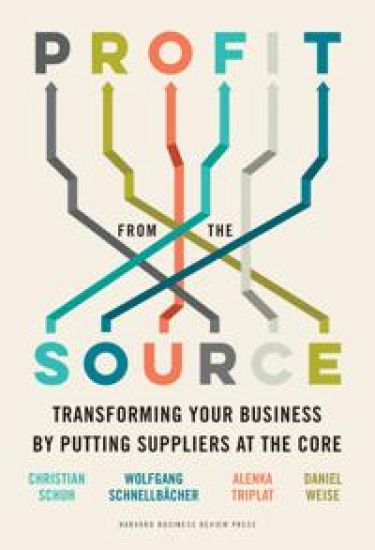
Procurement can be your company's secret weapon for winning in turbulent times. In most companies, procurement is an unglamorous, unloved part of the business. A job in the procurement office? A fast track to nowhere. Sourcing and supplier management is strictly about costs, the thinking goes, and all that matters is playing hardball to get these as low as possible. No connection to innovation or strategy or creating positive value. Not so fast. As Boston Consulting Group thought leaders Christian Schuh, Wolfgang Schnellbächer, Alenka Triplat, and Daniel Weise explain in Profit from the Source, procurement should be regarded in a new light, because it has the potential to be a CEO's secret weapon in these fast-moving, disruptive times. The authors offer a wake-up call and a new strategic blueprint for leaders everywhere. With vivid stories and in-depth case studies, they illustrate that no other business function offers the same holistic view of a company—from suppliers who provide the organization with raw materials and components to consumers who buy the finished product. While it's true that a core task of any procurement function is to keep costs from spiraling out of control, the authors show how procurement can help businesses generate phenomenal value from five other sources of competitive advantage critical to success—innovation, quality, sustainability, speed, and risk reduction. Drawing on BCG research and the authors' firsthand experience working with some of the world's leading companies—in high tech, automotive, consumer goods, and many other industries—Profit from the Source provides proven strategies to drive new bottom-line, as well as top-line, growth for your company.
The bestselling Purchasing Chessboard® concept, used by hundreds of corporations worldwide to reduce costs and increase value with suppliers, is the topic of this successful professional book now published in its third edition. The 64 squares on the Purchasing Chessboard provide a wealth of methods that can be applied either individually or in combination. And because many of these methods are not customarily used by procurement, the Purchasing Chessboard is also the perfect tool for helping procurement professionals to think and act outside the box and find new solutions. A well tested concept that works across all industries and all categories in any given situation, it is little wonder that business leaders and procurement professionals alike are excited by, and enjoy strategizing around, the Purchasing Chessboard. It encourages greater rigor and creativity and the building of world class capabilities. The explosive growth in analytics and the rise in the number of specialists in procurement practice have taken the application of the Purchasing Chessboard to new levels. This third edition of the book includes a rich assortment of case examples to reflect the lessons learned across geographies and industries. Some of the chapters have also been updated to accurately reflect these trends.
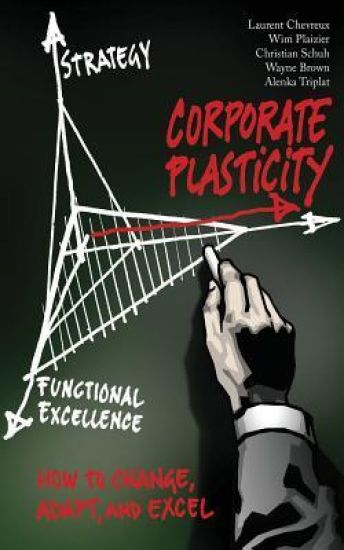
What do The Beatles, Apollo 13, the Roman military, a pack of wolves, and the very best companies in the world all have in common? Answer: Plasticity. They can change, adapt, and excel as the situation requires. In most organizations, strategy and functional excellence get the most attention. But even the best of either provides only limited long-term advantage. Highly effective organizations add Plasticity as a third dimension and rack up stellar breakthroughs—again and again. It is the key ingredient that allows strategy and functional excellence to deliver value. As the authors show in Corporate Plasticity: How to Change, Adapt, and Excel, Plasticity also enables great organizations to break down barriers and collaborate in the pursuit of a common objective, and to reconfigure or rewire themselves to face down challenges or reach ever-stronger competitive positions. Through entertaining stories and astute analysis, this book demonstrates that Plasticity spurs sports teams to become champions, companies to book record earnings, and artists to attain worldwide fame. You can use its principles—adaptability, flexibility, fluid networks and roles, lofty goals, and innovation, among others—to achieve operational excellence, tear down silos, and create more vibrant, creative enterprises. Your organization can become not just highly profitable and fun to work for, but an organization that can change the world. Plasticity allows an organization to choose its own destiny, become versatile, and dare more than others. Its success lies in a set of abilities called the Magic 7:Purpose: Your company must discover, select, and express what it is meant for. Focus: Your company must have the courage to ignore everything that is not in line with its purpose, and then see that purpose through. Culture: Your companymust create the conditions that allow people to work across boundaries and outside of predefined roles. Spirit: Your company must inspire people to feel part of a cause that is bigger than they are. Networking: Your company must provide the means, freedom, and encouragement for people to nurture and grow their internal and external networks continuously. Knowledge: Your company must encourage experts to provide their knowledge and make it readily available to everyone who needs it. Leadership: Your company's leaders must model and personify the characteristics they want others to adopt. Silo thinking? Poor collaboration? Weak earnings? Strategies that gain no traction? Corporate Plasticity: How to Change, Adapt, and Excel is the answer. It shows you how to cultivate each of the seven disciplines to infuse Plasticity in an organization. That—along with razor-sharp strategy and crisp execution—will unleash the power you need to reach both personal and corporate goals. You might even change the world.
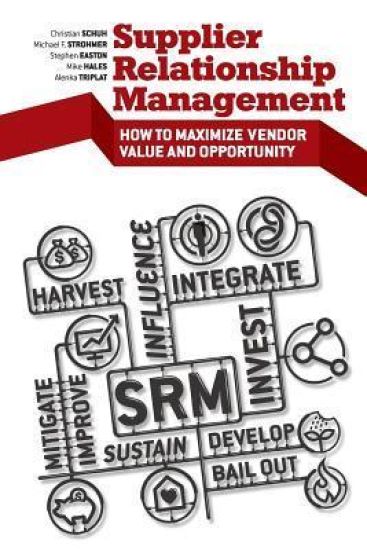
There’s a new buzz phrase in the air: Supplier Relationship Management (SRM). Corporate executives know it’s necessary, but there’s only one problem. Nobody yet knows how to do it. Or they think it’s all about bashing your vendors over the head until they reduce the price another 4%. Supplier Relationship Management: How to Maximize Vendor Value and Opportunity changes all that. Containing the best and most innovative advice from the operations and procurement experts at consultant AT Kearney, this book shows that SRM is at root a strategic discussion requiring cross-functional interaction and internal alignment at the highest levels. It requires an honest appraisal of the value that suppliers now bring to your firm, as well as their potential value. It then requires a frank and constructive business-to-business dialogue about how to improve the relationship. When this happens, a company reaps myriad benefits, ranging from new opportunity to added value to competitive advantage—and, quite likely, to overall (and sometimes substantial) cost reductions. This book shows the most concrete methods you can use today to:Identify value-adding opportunities in the supply chainWork closely with suppliers to maximize the benefitsWork the "Critical Cluster" of suppliers, where the greatest opportunity for advantage liesReview suppliers to encourage constant gains in quality and costTurn your SRM strategy into a major competitive advantageSupplier Relationship Management introduces and explains the Supplier Interaction Model, a key tool that will help you get the most from your supplier relationships. It segments the supplier universe into nine categories, from those you want to run away from fast to those so good and so useful to your organization that it can make sense to invest in them directly. Numerous case studies show how to apply the principles to your situation. Supplier Relationship Management burns off the fog that has surrounded the procurement process for far too long. It is the definitive guide for business executives who want to get the maximum benefits from suppliers and gain very real advantages over competitors.
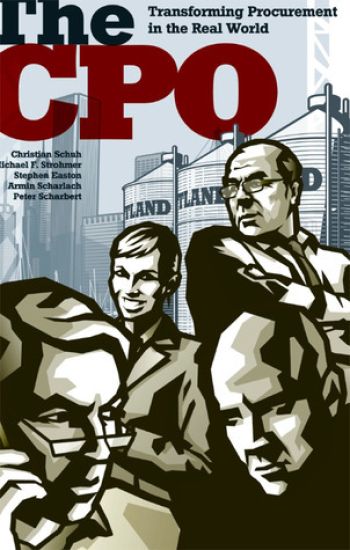
In the novel The CPO: Transforming Procurement in the Real World, we meet Thomas Sutter, a German-American living in Dusseldorf and working as a procurement manager for a major global automobile manufacturer, Autowerke. On a chance encounter while flying to Chicago, he meets the CEO of Heartland, a major food company in the U. S. Sutter impresses the CEO with his knowledge and, after a whirlwind courtship, he joins Heartland as its new Chief Procurement Officer, based in Fort Wayne, Indiana. Hired to transform procurement at Heartland, Sutter has an enormous challenge: to bring its procurement practices into the 21st century and save the company $5 billion. Despite the knowledge and experience he gained at Autowerke, Sutter fights over the next 18 months to find his place at Heartland, institute world-class procurement models and methods, win over the procurement teams and senior executives, and meet his goal. At first, his reputation--and his marriage--suffer, alongwith the company's overall sales and revenue. Can he pull a rabbit out of the hat? The CPO: Transforming Procurement depicts the real-life challenges of transforming procurement, while demonstrating the benefits of innovative procurement and leadership methods. Written by global thought leaders in A. T. Kearney's procurement and supply management practice--consultants who have helped numerous companies chop billions of dollars in costs out of their procurement budgets--The CPO will prove invaluable for those in purchasing and procurement. It will also present essential information to those in the C suite looking for ways to boost profits and productivity. The CPO: Portrays best-in-class, real-life, actionable methods to turn procurement into a function that can save billions and improve the bottom line. Provides a fun way to learn essential lessons in procurement and change management. Shows how rejecting victimhood in all its aspects leads to personal and business success. Presents lessons in novel format--like The Goal, Who Moved My Cheese, The Five Dysfunctions of a Team, and others--to engage you and show techniques in action.
Durch die systematische Nutzung der richtigen Hebel zur Kostensenkung im Einkauf lassen sich Margen schnell und nachhaltig erhohen. Die Autoren stellen konkrete Methoden zur Kostensenkung vor und beschreiben anschaulich die dazu gehorigen Schritte zur Umsetzung in der Praxis.
Die Konzentration am Lieferantenmarkt, steigende Energiepreise und der Ressourcenhunger von schnell wachsenden Volkswirtschaften wie China machen es immer schwieriger, im Einkauf Preissenkungen durchzusetzen. Um Unternehmen dabei zu unterstützen, die neuen Herausforderungen im Einkauf zu meistern und signifikante Wertbeiträge zu erzielen, haben die Autoren dieses Buchs das Einkaufsschachbrett entwickelt. Jeder Konstellation aus Nachfragemacht und Angebotsmacht weist es eine angemessene Einkaufsstrategie zu.