Kirjojen hintavertailu – 12 903 725 kirjaa ja 27 kauppaa
Kirjailija
Christine Montecillo Leider
Kirjat ja teokset yhdessä paikassa: 5 kirjaa, julkaisuja vuosilta 2024–2027, suosituimpiin kuuluu Becoming Language Teacher Educators. Vertaile teosten hintoja ja tarkista saatavuus suomalaisista kirjakaupoista.
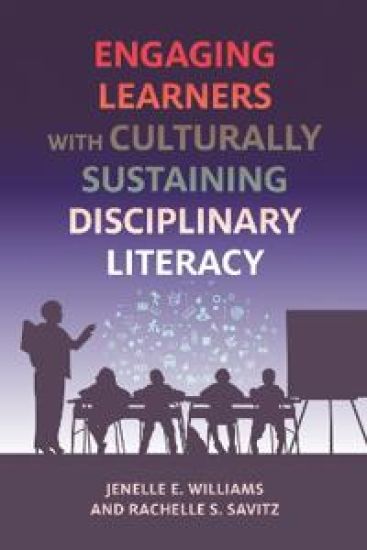
An accessible, research-backed guidebook for teaching culturally sustaining disciplinary literacy (CSDL) in the classroom Too often, disciplinary literacy and equity-focused instruction are treated as separate endeavors, leaving teachers unsure how to integrate rigorous content learning with practices that honor students' diverse identities. Many educators want to make their instruction more inclusive but lack models that show what this looks like across subjects. In Engaging Learners with Culturally Sustaining Disciplinary Literacy, Jenelle E. Williams and Rachelle S. Savitz provide a new, proven framework designed to equip teachers to engage students in rigorous literacy practices through authentic disciplinary learning while affirming who students are and what they need to thrive. Featuring authentic classroom examples drawn from a network of teachers across the disciplines, this resource provides strategies applicable to all 6th–12th grade disciplinary educators, including ELA, social studies, math, science, art, music, and PE teachers. Each chapter highlights actionable approaches that identify how to support student motivation, voice, and agency while meeting curricular goals. Chapter 7 pulls it all together with a complete instructional unit that shows how literacy, content learning, and cultural relevance can be woven together in the classroom. Within these pages, readers will find concrete tools—such as layered text sets, discussion protocols, and authentic assessment approaches—that empower teachers to build learning environments where students' cultural and linguistic identities are recognized as assets for learning.
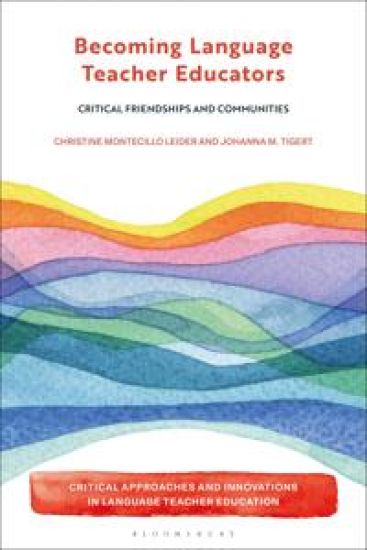
An exploration of how criticality can be developed among language teachers. This book is designed for teacher educators who are preparing teachers to work in a variety of global language education settings including pre-kindergarten through 12 bilingual classrooms and Sheltered English Immersion (SEI), as well as adult and community TESOL courses. Through vignettes that highlight their own journey as critical teacher educators, Christine Montecillo Leider and Johanna M. Tigert provide insight into how they address various challenges of language teacher education, including a banking model approach to language education and the need to de-center both the English language and American approach to language education. Each chapter offers a variety of reflective activities that both early career and veteran teacher educators can use to enhance their own development as critical teacher educators. Further, the authors provide a roadmap for how these reflective activities can be adopted to foster criticality among language teachers. Grounded in critical pedagogy and critical friendship, this book translates critical theory to praxis, providing a guide for teacher educators who seek to transform their approach to teacher education practice.
This accessible book introduces a new theory of critical disciplinary literacy (CDL) that merges criticality and disciplinary literacy approaches in a cohesive and inclusive framework. There are unique hurdles in integrating critical and culturally sustaining approaches to literacy into specialized content area classrooms, but this book provides clear, research-grounded strategies and methods that will appeal to teachers and help them foster equitable literacy learning opportunities for all students. Using a critical lens, chapters deconstruct and reconstruct pathways for new practices that push back on familiar, normative literacy approaches in the disciplines. Authors provide a framework for designing new approaches to disciplinary literacy both for and with students, and they present innovative and practical strategies for implementation. With real-world examples from the field, this book will be essential reading for preservice teachers and in courses on literacy and disciplinary instruction. With vignettes and classroom examples from educators who have been enacting elements of CDL practices for years, this book will be essential reading for preservice educators in courses on both literacy and content instruction. Furthermore, current and seasoned educators and educational leaders will find this book to be an invaluable resource as they wrestle with how to teach disciplinary literacy in ways that move away from approaches that have historically marginalized many voices to approaches that include and center students’ languages, histories, and cultures.
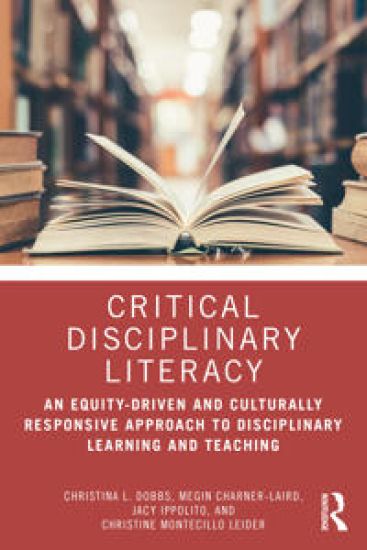
This accessible book introduces a new theory of critical disciplinary literacy (CDL) that merges criticality and disciplinary literacy approaches in a cohesive and inclusive framework. There are unique hurdles in integrating critical and culturally sustaining approaches to literacy into specialized content area classrooms, but this book provides clear, research-grounded strategies and methods that will appeal to teachers and help them foster equitable literacy learning opportunities for all students. Using a critical lens, chapters deconstruct and reconstruct pathways for new practices that push back on familiar, normative literacy approaches in the disciplines. Authors provide a framework for designing new approaches to disciplinary literacy both for and with students, and they present innovative and practical strategies for implementation. With real-world examples from the field, this book will be essential reading for preservice teachers and in courses on literacy and disciplinary instruction. With vignettes and classroom examples from educators who have been enacting elements of CDL practices for years, this book will be essential reading for preservice educators in courses on both literacy and content instruction. Furthermore, current and seasoned educators and educational leaders will find this book to be an invaluable resource as they wrestle with how to teach disciplinary literacy in ways that move away from approaches that have historically marginalized many voices to approaches that include and center students’ languages, histories, and cultures.