Kirjailija
Christoph Ransmayr
Kirjat ja teokset yhdessä paikassa: 52 kirjaa, julkaisuja vuosilta 1993–2025, suosituimpiin kuuluu Cox. Vertaile teosten hintoja ja tarkista saatavuus suomalaisista kirjakaupoista.
52 kirjaa
Kirjojen julkaisuvuodet: 1993–2025.
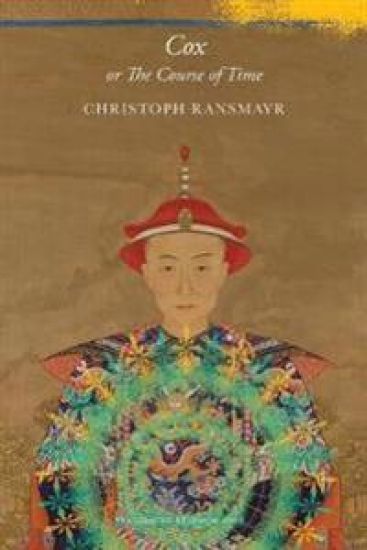
Richly imagined and recounted in vivid prose of extraordinary beauty, this book is a stunning illustration of Ransmayr’s talent for imbuing a captivating tale with intense metaphorical, indeed metaphysical force. The world’s most powerful man, Qiánlóng, emperor of China, invites the famous eighteenth-century clockmaker Alister Cox to his court in Beijing. There, in the heart of the Forbidden City, the Englishman and his assistants are to build machines that mark the passing of time as a child or a condemned man might experience it and that capture the many shades of happiness, suffering, love, and loss that come with that passing. Mystified by the rituals of a rigidly hierarchical society dominated by an unimaginably wealthy, god-like ruler, Cox musters all his expertise and ingenuity to satisfy the emperor’s desires. Finally, Qiánlóng, also known by the moniker Lord of Time, requests the construction of a clock capable of measuring eternity—a perpetuum mobile. Seizing this chance to realize a long-held dream and honor the memory of his late beloved daughter, yet conscious of the impossibility of his task, Cox sets to work. As the court is suspended in a never-ending summer, festering with evil gossip about the monster these foreigners are creating, the Englishmen wonder if they will ever escape from their gilded cage. More than a meeting of two men, one isolated by power, the other by grief, this is an exploration of mortality and a virtuoso demonstration that storytelling alone can truly conquer time.

Manfred Wakolbinger - Blackwater Galaxies
Manfred Wakolbinger; Christoph Ransmayr
Schlebrügge.Editor
2025
sidottu
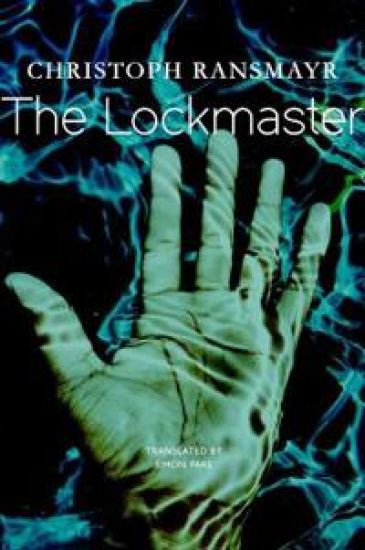
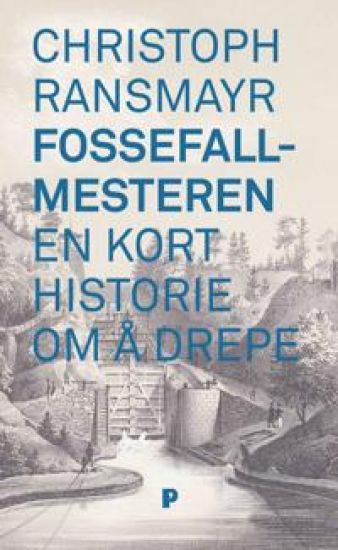
A suspenseful novel that delves into the complexities of a father-son relationship and the timeless themes of guilt and forgiveness. A longboat plummets over the Great Falls, drowning the five passengers on board. The Lockmaster, the heir to an ancient title and responsible for guiding river traffic safely around this natural barrier on the White River, ought to have prevented this tragedy. His son is convinced that it was not an accident. Is his irascible father a murderer? A hydraulic engineer all too familiar with the brute force of rivers, he sets out to discover the truth and find his missing father. The Lockmaster is a dramatic tale set in a world where water has become a precious commodity and Europe has fractured into warring ethno-nationalist entities desperate to uphold the traditions and insignia of a so-called glorious bygone era. Christoph Ransmayr recounts this story in his trademark style, its epic force shot through with visions of future technology and reactionary politics amid a climate breakdown. At heart, though, this novel is the story of a father–son relationship straddling the fault lines between past and present, and an exploration of timeless questions of guilt and forgiveness.
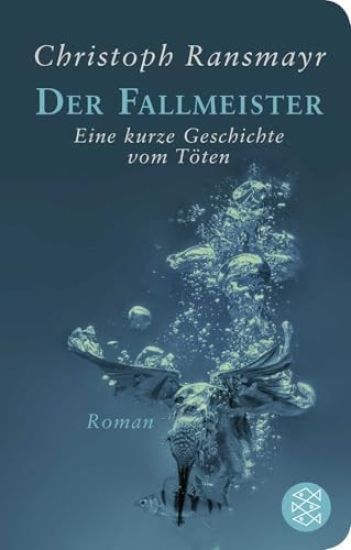
Christoph Ransmayr (f. 1954) er en av Østerrikes absolutt betydeligste forfattere i dag; "den største samtidsforfatter på tysk språk", skrev nylig en anmelder i italienske La Repubblica. Ransmayrs forrige roman, Cox eller tidens gang (Pelikanen 2020), fikk strålende anmeldelser da den kom (2016), og ble raskt myntet som «et brilliant stykke verdenslitteratur». Også her hjemme høstet han anerkjennelse, og «den ikke sjelden brilliante Cox» ble feks i BLA omtalt som «et svimlende historisk idéverksted.». Nå er Ransmayr igjen aktuell med en roman som høstet enorme kritikker, som har solgt mer enn 1,2 millioner bøker i Tyskland, og det med et både dystopisk, men fantasifullt grensesprengende verk som tematiserer klimakrisen og økologisk sammenbrudd i et fremtidig Europa bestående av ørken, vannkrise krig og eksistensielle drama. Romanen Fossefallmesteren har minst to hovedtemaer. På den ene siden er den en dramatisk familiehistorie om menneskelig skyld og tilgivelse. Men denne er spunnet inn i en dystopisk fremtidsbeskrivelse av et Europa som er splittet opp i en lang rekke småstater og interesseområder i nasjonalistisk strid med hverandre og dominert av stormannsgale makthavere og funksjonærer som forsvarer sitt eget. Her dreier det seg først og fremst om å skaffe områdene tilstrekkelig med drikkevann. Bakgrunnen er en økologisk katastrofe, der stigende hav har fått store landområder til å forsvinne samtidig som innlandsområder er tørket ut til ørken. I et brusende fossestryk styrter en turistbåt nedover de fryktede kaskadene i Den hvite elv i landet Bandon. Fem mennesker drukner. Fallmesteren, slusevokteren, hadde kunnet hindre denne ulykken. Da han et år etter katastrofen forsvinner, begynner hans sønn å tvile: Var hans rasende, fortidsbesatte far en morder? Letingen etter sannheten fører sønnen dypt inn i sin egen fortid: Barndommen hjemme hos slusevokteren og en innvandret mor fra Dalmatia er på mange måter fredelig om enn ikke lykkelig. Sønnen
Richly imagined and recounted in vivid prose of extraordinary beauty, this book is a stunning illustration of Ransmayr’s talent for imbuing a captivating tale with intense metaphorical, indeed metaphysical force. The world’s most powerful man, Qiánlóng, emperor of China, invites the famous eighteenth-century clockmaker Alister Cox to his court in Beijing. There, in the heart of the Forbidden City, the Englishman and his assistants are to build machines that mark the passing of time as a child or a condemned man might experience it and that capture the many shades of happiness, suffering, love, and loss that come with that passing. Mystified by the rituals of a rigidly hierarchical society dominated by an unimaginably wealthy, god-like ruler, Cox musters all his expertise and ingenuity to satisfy the emperor’s desires. Finally, Qiánlóng, also known by the moniker Lord of Time, requests the construction of a clock capable of measuring eternity—a perpetuum mobile. Seizing this chance to realize a long-held dream and honor the memory of his late beloved daughter, yet conscious of the impossibility of his task, Cox sets to work. As the court is suspended in a never-ending summer, festering with evil gossip about the monster these foreigners are creating, the Englishmen wonder if they will ever escape from their gilded cage. More than a meeting of two men, one isolated by power, the other by grief, this is an exploration of mortality and a virtuoso demonstration that storytelling alone can truly conquer time.

In The Atlas of an Anxious Man, Christoph Ransmayr offers a mesmerizing travel diary—a sprawling tale of earthly wonders seen by a wandering eye. This is an exquisite, lyrically told travel story. Translated by Simon Pare, this unique account follows Ransmayr across the globe: from the shadow of Java’s volcanoes to the rapids of the Mekong and Danube Rivers, from the drift ice of the Arctic Circle to Himalayan passes, and on to the disenchanted islands of the South Pacific. Ransmayr begins again and again with, “I saw. . .” recounting to the reader the stories of continents, eras, and landscapes of the soul. Like maps, the episodes come together to become a book of the world—one that charts the life and death, happiness and fate of people bound up in images of breathtaking beauty. “One of the German language’s most gifted young novelists.”—Library Journal, on The Terrors of Ice and Darkness
Året e 1753. På et skip fra Europa ankommer tidens mest berømte automat- og urmaker, briten Alister Cox og tre medhjelpere til en havneby i Kina. Han er invitert til landet av den kinesiske keiseren Qianlong, en estet og samler, men også en guddomeliggjort despot over et redselsherredømme. Sammen med Cox, som har sine egne demoner å stri med, føres vi inn en både vakker og grusom verden innenfor murene til Den forbudte by.