Kirjojen hintavertailu – 12 903 725 kirjaa ja 27 kauppaa

Kirjailija

Christophe Girot

Kirjat ja teokset yhdessä paikassa: 4 kirjaa, julkaisuja vuosilta 2016–2020, suosituimpiin kuuluu Atmosphere Anatomies. Vertaile teosten hintoja ja tarkista saatavuus suomalaisista kirjakaupoista.

4 kirjaa

Kirjojen julkaisuvuodet: 2016–2020.

The Landscapes of Dieter Kienast

The Landscapes of Dieter Kienast

Anette Freytag; Christophe Girot

Gta Verlag
2020
nidottu
Dieter Kienast (1945-1998) is a key Swiss figure in European landscape architecture. Amidst a striking change in the relationship between society and nature in the 1970s, he sought a synthesis between design and ecology. As a designer, planner, researcher, and university lecturer, Kienast introduced new facets to those fields. Critiques of urban planning, processes of participation, and the significance of spontaneous urban vegetation played just as prominent a role in these discussions as did art, literature, architecture, and the popularity of postmodernism. This book not only vividly deconstructs the ways in which design, theory, and representation are interwoven in Kienast's work, but also sheds light on a specific period of landscape architecture.
Atmosphere Anatomies

Atmosphere Anatomies

Silvia Benedito; Christophe Girot

Lars Muller Publishers
2020
nidottu
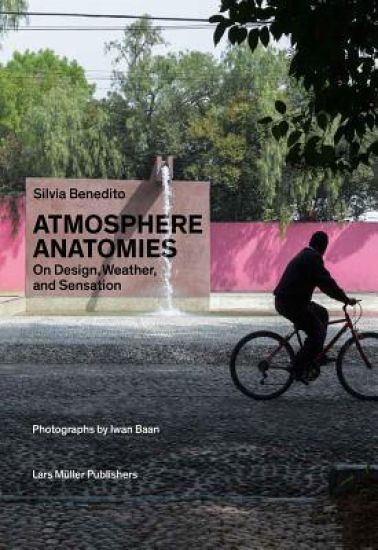
'Atmosphere Anatomies' illustrates how the atmosphere can affect sensory and physiological well-being when incorporated as a meteorological medium into the disciplines of design, particularly urban design and landscape architecture. Using paradigmatic projects, the essays discuss the diverse techniques and contexts that have focused on the atmosphere as an essential part of the design process. Woven throughout the book, the evocative photographic essays of Iwan Baan showcase selected design projects in their function as everyday spaces, which should be both delightful and inhabited. The critical and visual examination of these various projects illustrates that the integration of atmosphere creates spaces of social, emotional, and environmental relevance. 'Atmosphere Anatomies' builds on this premise and explores the role of architecture and design in the context of increasing climate change, health challenges, and the sustainable use of our resources.
Landschaftsarchitektur gestern und heute

Landschaftsarchitektur gestern und heute

Christophe Girot

Edition Detail
2016
sidottu
Auf vielfältige Art und Weise ist die Geschichte der Zivilisation eine Geschichte der Beziehung der Menschen zur Natur. Angefangen beim gegensätzlichen Umgang mit Land – einerseits Raum gewinnend für den Ackerbau, andererseits Land gestaltend um Raum zum Schutz abzugrenzen – hat Christophe Girot sich auf den Weg gemacht, diese Entwicklung aufzuzeichnen: Er erzählt von unserer kulturellen Verbindung zu aber auch unserer Abhängigkeit von der Landschaft. In 12 Kapiteln trägt er die Schlüsselereignisse zusammen, die unsere Landschaft geformt haben. Dabei fokussiert jedes Kapitel auf ein Thema und beschreibt die Entwicklungen und ein Projektbeispiel: Mit speziell angefertigten Fotografien und 3D-Gestaltungen wird der entsprechende Ort in seinem ursprünglichen Kontext nachvollziehbar. Die Vielzahl an kulturellen Bezugspunkten und die Besonderheiten der Landschaften sensibilisiert unser Verständnis dafür, wie wir unsere Umwelt geformt haben und in welcher Beziehung wir zu ihr stehen.
The Course of Landscape Architecture

The Course of Landscape Architecture

Christophe Girot

Thames Hudson Ltd
2016
sidottu

Halvin toimitettuna 51,90 €

In many ways the history of civilization is a history of our relationship with nature and landscape. Christophe Girot sets out to chronicle this intimate connection, drawing on all aspects of mankind’s creativity and ingenuity, and bringing together the key stories that have shaped our manmade landscapes. Starting from the dual inclination to clear land for cultivation and to enclose space for protection there emerges a vital and multifaceted narrative that describes our cultural relationship to, and dependence on, the landscape, right up to the present day. Organized chronologically, the chapters consist of a thematic essay that ties together the central developments, as well as a case study illustrated with specially commissioned photographs and meticulously detailed 3D re-creations showing the featured site in its original context. The result of over two decades of teaching experience and academic research at the world’s leading landscape institutes and universities, this masterful and hugely ambitious new interpretation of human intervention in the landscape will be essential reading for students and professionals worldwide.