Kirjojen hintavertailu – 12 903 725 kirjaa ja 27 kauppaa

Kirjailija

Christopher A. Chung

Kirjat ja teokset yhdessä paikassa: 4 kirjaa, julkaisuja vuosilta 2007–2019, suosituimpiin kuuluu RFID and Auto-ID in Planning and Logistics. Vertaile teosten hintoja ja tarkista saatavuus suomalaisista kirjakaupoista.

4 kirjaa

Kirjojen julkaisuvuodet: 2007–2019.

RFID in Logistics

RFID in Logistics

Erick C. Jones; Christopher A. Chung

CRC Press
2019
nidottu
Radio Frequency Identification (RFID) tagging is now mandated by the department of defense and many of the world’s largest retailers including Wal-Mart. In order to stay competitive, more than 200,000 manufacturers and suppliers must develop strategies for integrating RFID technologies into their supply chains. RFID in Logistics: A Practical Introduction provides businesses and other relevant concerns with an authoritative step-by-step guide to the implementation and diverse applications of this revolutionary communications technology. Survey RFID applications in entertainment, credit devices, wireless communications, healthcare, and librariesLearn about both active and passive system components testing modelsExamine best practices for integrating RFID technology into the supply chainCombining techniques from computer, electrical, and industrial engineering, RFID in Logistics: A Practical Introduction supplies the basic instruction needed to develop and implement RFID technology.
RFID and Auto-ID in Planning and Logistics

RFID and Auto-ID in Planning and Logistics

Erick C. Jones; Christopher A. Chung

CRC Press
2017
nidottu
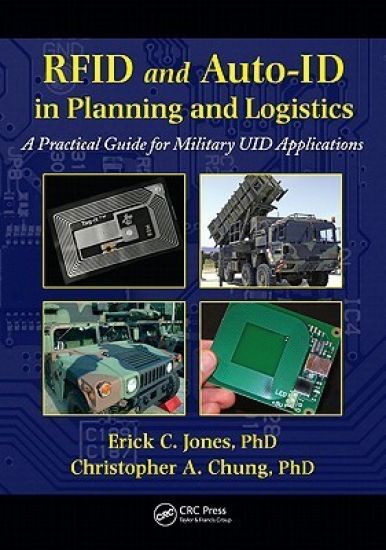
As RFID technology is becoming increasingly popular, the need has arisen to address the challenges and approaches to successful implementation. RFID and Auto-ID in Planning and Logistics: A Practical Guide for Military UID Applications presents the concepts for students, military personnel and contractors, and corporate managers to learn about RFID and other automatic information capture technologies, and their integration into planning and logistics functions. The text includes comparisons of RFID with technologies such as bar codes, satellite tags, and global positioning systems and provides a decision model for choosing the appropriate technology for a given application. By providing the histories, current use, and future applications of RFID and automatic identification technologies (AIT), the book discusses supply chain planning and logistics uses for these technologies. It addresses the fundamental relationships in RFID, including how antennae, integrated circuitry, and substrate work together. The text provides detailed information for troubleshooting design issues and an understanding of passive, semi-passive, and active tags, so an informed choice of technology type can be made. It describes the unique identification (UID) standards necessary for military contractors and how to use RFID and AIT to meet those requirements. This book is unique in the depth of material presented, making it appropriate for engineers, students, and operational personnel as a resource for foundational concepts for integrating logistics and RFID. A comprehensive reference, this volume can is an academic text, a practitioner’s handbook, and a military contractor’s UID guide for using RFID and AIT technologies.
RFID and Auto-ID in Planning and Logistics

RFID and Auto-ID in Planning and Logistics

Erick C. Jones; Christopher A. Chung

CRC Press Inc
2011
sidottu
As RFID technology is becoming increasingly popular, the need has arisen to address the challenges and approaches to successful implementation. RFID and Auto-ID in Planning and Logistics: A Practical Guide for Military UID Applications presents the concepts for students, military personnel and contractors, and corporate managers to learn about RFID and other automatic information capture technologies, and their integration into planning and logistics functions. The text includes comparisons of RFID with technologies such as bar codes, satellite tags, and global positioning systems and provides a decision model for choosing the appropriate technology for a given application. By providing the histories, current use, and future applications of RFID and automatic identification technologies (AIT), the book discusses supply chain planning and logistics uses for these technologies. It addresses the fundamental relationships in RFID, including how antennae, integrated circuitry, and substrate work together. The text provides detailed information for troubleshooting design issues and an understanding of passive, semi-passive, and active tags, so an informed choice of technology type can be made. It describes the unique identification (UID) standards necessary for military contractors and how to use RFID and AIT to meet those requirements. This book is unique in the depth of material presented, making it appropriate for engineers, students, and operational personnel as a resource for foundational concepts for integrating logistics and RFID. A comprehensive reference, this volume can is an academic text, a practitioner’s handbook, and a military contractor’s UID guide for using RFID and AIT technologies.
RFID in Logistics

RFID in Logistics

Erick C. Jones; Christopher A. Chung

CRC Press Inc
2007
sidottu
Radio Frequency Identification (RFID) tagging is now mandated by the department of defense and many of the world’s largest retailers including Wal-Mart. In order to stay competitive, more than 200,000 manufacturers and suppliers must develop strategies for integrating RFID technologies into their supply chains. RFID in Logistics: A Practical Introduction provides businesses and other relevant concerns with an authoritative step-by-step guide to the implementation and diverse applications of this revolutionary communications technology. Survey RFID applications in entertainment, credit devices, wireless communications, healthcare, and librariesLearn about both active and passive system components testing modelsExamine best practices for integrating RFID technology into the supply chainCombining techniques from computer, electrical, and industrial engineering, RFID in Logistics: A Practical Introduction supplies the basic instruction needed to develop and implement RFID technology.