Kirjojen hintavertailu – 12 859 828 kirjaa ja 27 kauppaa

Kirjailija

Christopher Collier

Kirjat ja teokset yhdessä paikassa: 8 kirjaa, julkaisuja vuosilta 1985–2024, suosituimpiin kuuluu A Place Apart. Vertaile teosten hintoja ja tarkista saatavuus suomalaisista kirjakaupoista.

8 kirjaa

Kirjojen julkaisuvuodet: 1985–2024.

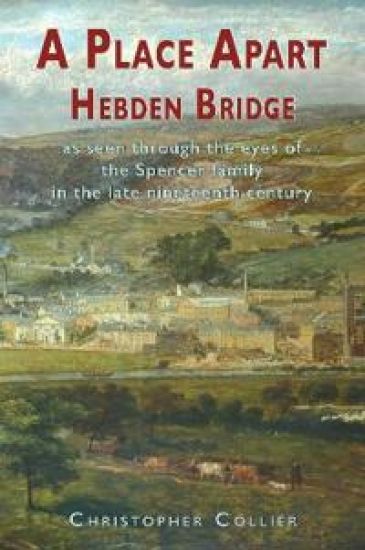
A Place Apart

A Place Apart

Christopher Collier

The Choir Press
2024
nidottu
The textile industry in the nineteenth century opened the Pennines to the world, and one small Yorkshire town which made its mark was Hebden Bridge. Sheltering below the moors, at a junction of two rivers, it excelled at making clothes for working men. A Place Apart tells the story of the town through the experiences of three generations of the Spencer family. Mills dominated the landscape, along with the Non-conformist chapels which gave a moral compass to people's lives. Education was opened to everyone and, as working hours relaxed, people had time to relax and enjoy themselves. - - - - The book provides a valuable perspective on life and attitudes during the Victorian era, brought into an unfortunate focus in 1901 when the daughter of Joseph Spencer, a successful local tailor, found herself pregnant by a local lad. Reputations had to be preserved and the family left town. The business held on, but finally closed in 1907. - - - - This wide-ranging portrait of the area's social and industrial history is written by a descendant of the Spencer family, and features first-hand accounts, authoritative source material and contemporary illustrations. It provides an engaging, well-researched study of a town and its people at a time of immense change.
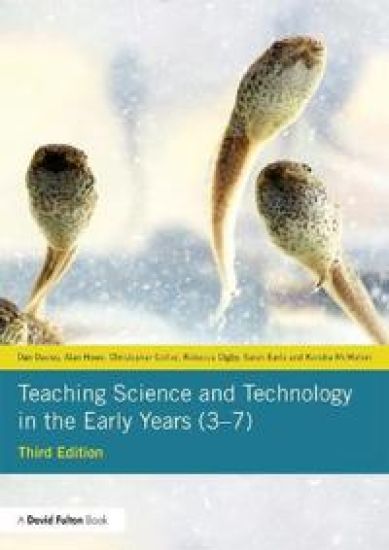
Teaching Science and Technology in the Early Years (3–7)

Teaching Science and Technology in the Early Years (3–7)

Dan Davies; Alan Howe; Christopher Collier; Rebecca Digby; Sarah Earle; Kendra McMahon

Routledge
2019
sidottu
Teaching Science and Technology in the Early Years (3–7) celebrates young children’s amazing capabilities as scientists, designers and technologists. Research-based yet practical and accessible, it demonstrates how scientific designing and making activities are natural to young children, and have the potential for contributing to all aspects of their learning. By identifying the scientific and technological concepts, skills and activities being developed, the book enables the reader to make more focused diagnostic observations of young children and plan for how they can help move them forward in their learning. This third edition has been thoroughly updated and features: fresh insights into young children’s learning from neuroscience and ‘new-materialist’ perspectives; a UK-wide perspective on Early Years curricula and how they support the inclusion of science and technology as an entitlement for young children; new case studies of successful, evidence-based Early Years practice, alongside new examples of practical planning for learning, and advice on documenting children’s learning stories; an updated chapter on assessing and documenting children’s learning, drawing upon findings from the Teacher Assessment in Primary Science (TAPS) project at Bath Spa University. Based on the latest research and first-hand experience, this practical and accessible book is essential reading for Early Years and Primary students on undergraduate, PGCE and Masters-level courses.
Teaching Science and Technology in the Early Years (3–7)

Teaching Science and Technology in the Early Years (3–7)

Dan Davies; Alan Howe; Christopher Collier; Rebecca Digby; Sarah Earle; Kendra McMahon

Routledge
2019
nidottu
Teaching Science and Technology in the Early Years (3–7) celebrates young children’s amazing capabilities as scientists, designers and technologists. Research-based yet practical and accessible, it demonstrates how scientific designing and making activities are natural to young children, and have the potential for contributing to all aspects of their learning. By identifying the scientific and technological concepts, skills and activities being developed, the book enables the reader to make more focused diagnostic observations of young children and plan for how they can help move them forward in their learning. This third edition has been thoroughly updated and features: fresh insights into young children’s learning from neuroscience and ‘new-materialist’ perspectives; a UK-wide perspective on Early Years curricula and how they support the inclusion of science and technology as an entitlement for young children; new case studies of successful, evidence-based Early Years practice, alongside new examples of practical planning for learning, and advice on documenting children’s learning stories; an updated chapter on assessing and documenting children’s learning, drawing upon findings from the Teacher Assessment in Primary Science (TAPS) project at Bath Spa University. Based on the latest research and first-hand experience, this practical and accessible book is essential reading for Early Years and Primary students on undergraduate, PGCE and Masters-level courses.
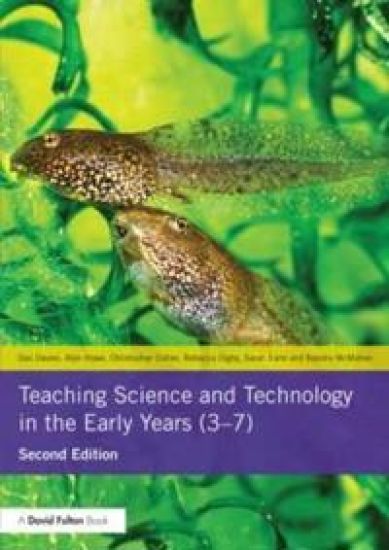
Teaching Science and Technology in the Early Years (3-7)

Teaching Science and Technology in the Early Years (3-7)

Dan Davies; Alan Howe; Christopher Collier; Rebecca Digby; Sarah Earle; Kendra McMahon

Routledge
2014
nidottu
Teaching Science and Technology in the Early Years (3-7) celebrates young children’s amazing capabilities as scientists, designers and technologists. Research-based yet practical and accessible, it demonstrates how scientific, designing and making activities are natural to young children, and have the potential for contributing to all aspects of their learning. By identifying the scientific and design-related concepts, skills and activities being developed, the book enables the reader to make more focused diagnostic observations of young children and plan for how they can help move them forward in their learning. This second edition has been thoroughly updated and features:Six new chapters providing practical advice and examples for enhancing scientific and technological learning through thematic approaches a new chapter focusing on the outdoor learning environment and how this can support science and technology new case studies of successful early years practice, alongside examples of practical planning for learning, and advice on documenting children’s learning stories, guidance on the role of talk, narrative, documentation and planning in relation to early years science and technology Based on the latest research and the first hand experience, this practical and accessible book is essential reading for early years and primary students on undergraduate and Masters level courses.
The Primary Science and Technology Encyclopedia

The Primary Science and Technology Encyclopedia

Christopher Collier; Dan Davies; Alan Howe; Kendra McMahon

Routledge
2010
nidottu
Unique in its field, The Primary Science Encyclopedia brings together in one indispensable reference volume over 250 entries covering a wide range of topics and ideas. The book provides clear descriptions, definitions and explanations of difficult scientific concepts, carefully chosen to reflect the needs of those involved in primary science education. In addition, this encyclopedia explains clearly how to teach scientific and technological ideas in a relevant and appropriate way. Extended entries are included on topics such as creativity, thinking skills and theories of learning and the book also provides insight into cross-curricular work, assessment and classroom organisation in the primary science classroom. Compiled by authors with a wealth of experience in primary science and technology teaching, this book contains: Over 250 entries; Scientific definitions and pedagogical explanations; Extensive commentaries of current issues in primary science; A who's who of current and historical figures in the field of science and science education; Annotated further reading lists. This encyclopedia will be of interest to all teachers of 5 to 11-year-olds and anyone concerned with primary science and design and technology education.
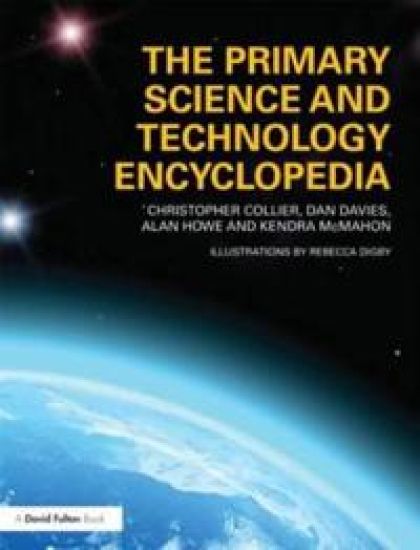
The Primary Science and Technology Encyclopedia

The Primary Science and Technology Encyclopedia

Christopher Collier; Dan Davies; Alan Howe; Kendra McMahon

Routledge
2010
sidottu
Unique in its field, The Primary Science Encyclopedia brings together in one indispensable reference volume over 250 entries covering a wide range of topics and ideas. The book provides clear descriptions, definitions and explanations of difficult scientific concepts, carefully chosen to reflect the needs of those involved in primary science education. In addition, this encyclopedia explains clearly how to teach scientific and technological ideas in a relevant and appropriate way. Extended entries are included on topics such as creativity, thinking skills and theories of learning and the book also provides insight into cross-curricular work, assessment and classroom organisation in the primary science classroom. Compiled by authors with a wealth of experience in primary science and technology teaching, this book contains: Over 250 entries; Scientific definitions and pedagogical explanations; Extensive commentaries of current issues in primary science; A who's who of current and historical figures in the field of science and science education; Annotated further reading lists. This encyclopedia will be of interest to all teachers of 5 to 11-year-olds and anyone concerned with primary science and design and technology education.