Kirjojen hintavertailu – 12 859 819 kirjaa ja 27 kauppaa

Kirjailija

Christopher E. Forth

Kirjat ja teokset yhdessä paikassa: 4 kirjaa, julkaisuja vuosilta 2004–2019, suosituimpiin kuuluu The Dreyfus Affair and the Crisis of French Manhood. Vertaile teosten hintoja ja tarkista saatavuus suomalaisista kirjakaupoista.

4 kirjaa

Kirjojen julkaisuvuodet: 2004–2019.

The Dreyfus Affair and the Crisis of French Manhood

The Dreyfus Affair and the Crisis of French Manhood

Christopher E. Forth

Johns Hopkins University Press
2006
pokkari
In 1894, French army captain Alfred Dreyfus, an Alsatian Jew, was wrongly accused of passing military secrets to the Germans. The ensuing scandal has often been studied for what it reveals about French anti-Semitism and tensions between republicanism and conservatism under the Third Republic. But because treason was considered a cowardly-and therefore effeminate-act, Dreyfus also embodied, for many, the danger of effeminate men masquerading in military uniform. In The Dreyfus Affair and the Crisis of French Manhood historian Christopher E. Forth shows how the rhetoric and images used during the Dreyfus Affair reflected French anxieties about masculinity and modernity, and also facilitated ongoing debates about the state of French manhood through the First World War. Forth first considers the broad gender issues that faced the French at the time of the Dreyfus trial. He examines contemporary newspaper accounts as critiques of the masculine credentials of Jewish men and shows how members of the Jewish press answered allegations of their own cowardice and effeminacy. By situating the figure of the "intellectual" within the gender anxieties of the time, he shows how Dreyfus's supporters defensively tried to affirm their masculinity by distancing themselves from "cowardly" Jews, "hysterical" crowds, and threatening women. This book pays special attention to how the Dreyfus Affair engaged with changing ideals of the male body. Taking as a metaphor the portly body of Dreyfus's most prominent defender, novelist Emile Zola, Forth explores how an emerging emphasis on diet and exercise allowed supporters to celebrate Zola's "heroic" weight loss. Finally, he examines the relation of the Dreyfus Affair to the "culture of force" that marked French society during the prewar years, thus accounting for the rise of the youthful athlete as a more compelling manly ideal than the bookish and sedentary intellectual.

The Dreyfus Affair and the Crisis of French Manhood

The Dreyfus Affair and the Crisis of French Manhood

Christopher E. Forth

Johns Hopkins University Press
2004
sidottu
In 1894, French army captain Alfred Dreyfus, an Alsatian Jew, was wrongly accused of passing military secrets to the Germans. The ensuing scandal has often been studied for what it reveals about French anti-Semitism and tensions between republicanism and conservatism under the Third Republic. But because treason was considered a cowardly-and therefore effeminate-act, Dreyfus also embodied, for many, the danger of effeminate men masquerading in military uniform. In The Dreyfus Affair and the Crisis of French Manhood historian Christopher E. Forth shows how the rhetoric and images used during the Dreyfus Affair reflected French anxieties about masculinity and modernity, and also facilitated ongoing debates about the state of French manhood through the First World War. Forth first considers the broad gender issues that faced the French at the time of the Dreyfus trial. He examines contemporary newspaper accounts as critiques of the masculine credentials of Jewish men and shows how members of the Jewish press answered allegations of their own cowardice and effeminacy. By situating the figure of the "intellectual" within the gender anxieties of the time, he shows how Dreyfus's supporters defensively tried to affirm their masculinity by distancing themselves from "cowardly" Jews, "hysterical" crowds, and threatening women. This book pays special attention to how the Dreyfus Affair engaged with changing ideals of the male body. Taking as a metaphor the portly body of Dreyfus's most prominent defender, novelist Emile Zola, Forth explores how an emerging emphasis on diet and exercise allowed supporters to celebrate Zola's "heroic" weight loss. Finally, he examines the relation of the Dreyfus Affair to the "culture of force" that marked French society during the prewar years, thus accounting for the rise of the youthful athlete as a more compelling manly ideal than the bookish and sedentary intellectual.
Fat

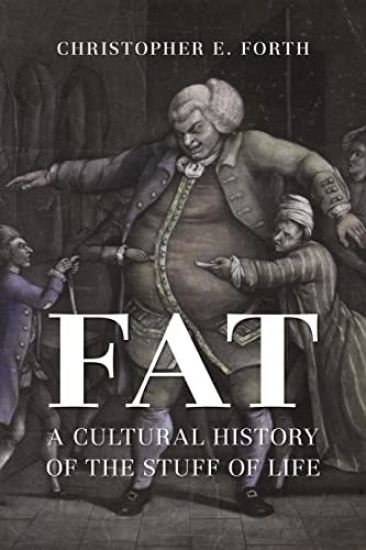
Fat

Christopher E. Forth

Reaktion Books
2019
sidottu
Fat. Such a little word evokes big responses. While "fat" describes the size and shape of bodies--their appearance--our negative reactions to corpulence also depend on something tangible and tactile. As this book argues, there is more to fat than meets the eye. Fat: A Cultural History of the Stuff of Life offers reflections on how fat has been perceived and imagined in the West since antiquity. Featuring fascinating historical accounts as well as philosophical, religious, and cultural analyses--including discussions of status, gender, and race--the book digs deep into the past for the roots of our current notions and prejudices. Two central themes emerge: how we have perceived and imagined corpulent bodies over the centuries, and how fat--as a substance as well as a description of body size--has been associated with vitality and fertility as well as perceptions of animality. By exploring the complex ways in which fat, fatness, and fattening have been perceived over time, this book provides rich insights into the stuff our stereotypes are made of.
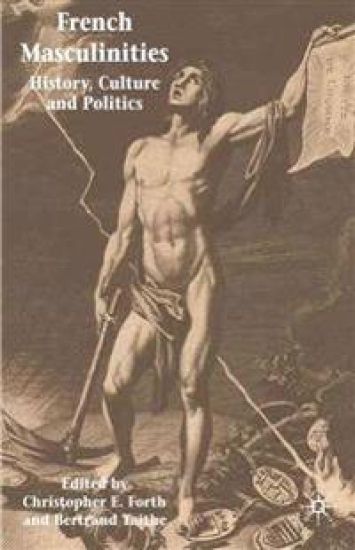
French Masculinities

French Masculinities

Christopher E. Forth; Bertrand Taithe

Palgrave Macmillan
2007
sidottu
This volumes offers a comprehensive and critical overview of ideas of how virilité has been imagined in France from the Eighteenth century. Incorporating insights of cultural and social historians, this collection approaches masculinities in a complex and interdisciplinary manner that will appeal to a wide range of readers.