Kirjojen hintavertailu – 12 903 725 kirjaa ja 27 kauppaa

Kirjailija

Christopher P Momany

Kirjat ja teokset yhdessä paikassa: 3 kirjaa, julkaisuja vuosilta 2023–2024, suosituimpiin kuuluu Awakening to Justice. Vertaile teosten hintoja ja tarkista saatavuus suomalaisista kirjakaupoista.

Nimi esiintyy myös muodoissa: Christopher P. Momany

3 kirjaa

Kirjojen julkaisuvuodet: 2023–2024.

Awakening to Justice

Awakening to Justice

Jemar Tisby; Christopher P. Momany; Sègbégnon Mathieu Gnonhossou; David D. Daniels; R. Matthew Sigler; Douglas M. Strong; Diane Leclerc; Esther Chung-Kim; Albert G. Miller; Estrelda Y. Alexander

IVP Academic
2024
nidottu
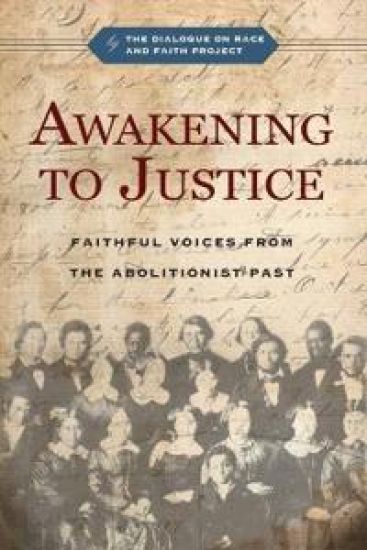
"O where are the sympathies of Christians for the slave and where are their exertions for their liberation? . . . It seems as if the church were asleep." David Ingraham, 1839In 2015, the historian Chris Momany helped discover a manuscript that had been forgotten in a storage closet at Adrian College in Michigan. He identified it as the journal of a nineteenth-century Christian abolitionist and missionary, David Ingraham. As Momany and a fellow historian Doug Strong pored over the diary, they realized that studying this document could open new conversations for twenty-first-century Christians to address the reality of racism today. They invited a multiracial team of fourteen scholars to join in, thus launching the Dialogue on Race and Faith Project. Awakening to Justice presents the groundbreaking work of these scholars. In addition to reflecting on Ingraham's journal, chapters also explore the life and writings of two of Ingraham's Black colleagues, James Bradley and Nancy Prince. Appendixes feature writings by all three abolitionists so readers can engage the primary sources directly. Through considering connections between the revivalist, holiness, and abolitionist movements; the experiences of enslaved and freed people; abolitionists' spiritual practices; various tactics used by abolitionists; and other themes, the authors offer insight and hope for Christians concerned about racial justice. They highlight how Christians associated with Charles Finney's style of revivalism formed intentional, countercultural communities such as Oberlin College to be exemplars of interracial cooperation and equality. Christians have all too often compromised with racism throughout history, but that's not the whole story. Hearing the prophetic witness of revivalist social justice efforts in the nineteenth century can provide a fresh approach to today's conversations about race and faith in the church.
Compelling Lives

Compelling Lives

Christopher P Momany

Cascade Books
2023
pokkari
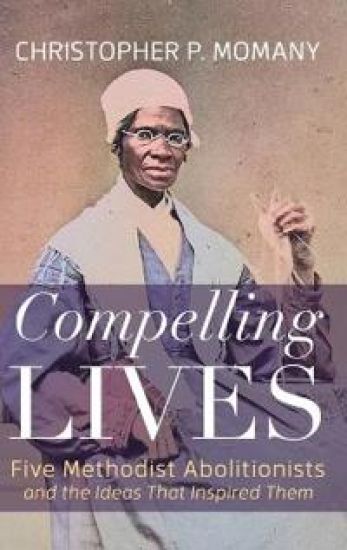
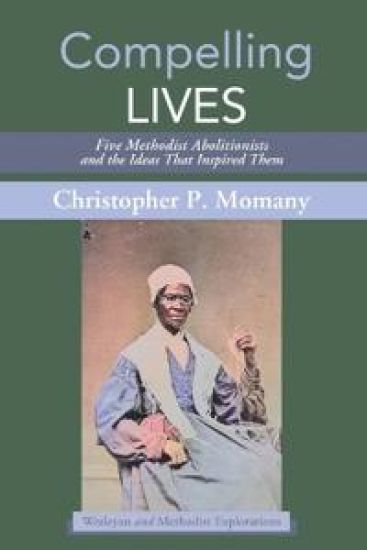
What motivates people to work for justice? Recent studies have moved away from an emphasis on specific principles and toward an understanding of social and cultural forces. But what about times in history when distinct ideas were critical for positive change? The pre-Civil War abolitionist movement represents one such time. During an era when race-based slavery was buttressed by the machinery of civil law, many people developed arguments for freedom and equity that were grounded in divine law. There were Methodist witnesses for justice who lived by this distinction between civil and godly authority. While Methodism, as an institution, betrayed its founding opposition to slavery, many within the movement expressed a prophetic vision. A vibrant counterculture borrowed from Scripture and modern philosophy to argue for a ""higher law"" of justice. The world-changing ideas that overcame slavery in America were not disembodied and ethereal. They were mediated through the lives of multidimensional individuals. Sojourner Truth, Luther Lee, Laura Haviland, Henry Bibb, and Gilbert Haven were very different from one another. Yet they were animated by similar ideas, grounded in faith, and shaped by a common commitment to human rights.
Compelling Lives

Compelling Lives

Christopher P Momany

Cascade Books
2023
sidottu
What motivates people to work for justice? Recent studies have moved away from an emphasis on specific principles and toward an understanding of social and cultural forces. But what about times in history when distinct ideas were critical for positive change? The pre-Civil War abolitionist movement represents one such time. During an era when race-based slavery was buttressed by the machinery of civil law, many people developed arguments for freedom and equity that were grounded in divine law. There were Methodist witnesses for justice who lived by this distinction between civil and godly authority. While Methodism, as an institution, betrayed its founding opposition to slavery, many within the movement expressed a prophetic vision. A vibrant counterculture borrowed from Scripture and modern philosophy to argue for a "higher law" of justice. The world-changing ideas that overcame slavery in America were not disembodied and ethereal. They were mediated through the lives of multidimensional individuals. Sojourner Truth, Luther Lee, Laura Haviland, Henry Bibb, and Gilbert Haven were very different from one another. Yet they were animated by similar ideas, grounded in faith, and shaped by a common commitment to human rights.