Kirjojen hintavertailu – 12 903 724 kirjaa ja 27 kauppaa
Kirjailija
Clark H. Pinnock
Kirjat ja teokset yhdessä paikassa: 15 kirjaa, julkaisuja vuosilta 1987–2022, suosituimpiin kuuluu The Openness of God – A Biblical Challenge to the Traditional Understanding of God. Vertaile teosten hintoja ja tarkista saatavuus suomalaisista kirjakaupoista.
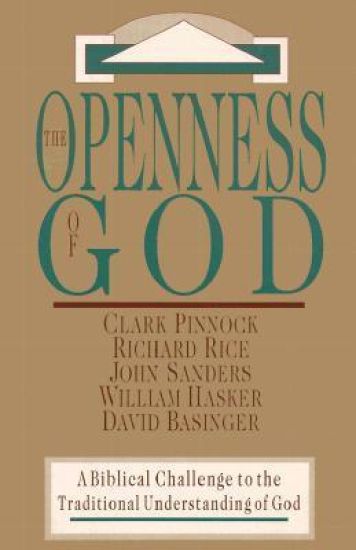
Voted one of Christianity Today's Books of the Year The Openness of God presents a careful and full-orbed argument that the God known through Christ desires "responsive relationship" with his creatures. While it rejects process theology, the book asserts that such classical doctrines as God's immutability, impassibility and foreknowledge demand reconsideration. The authors insist that our understanding of God will be more consistently biblical and more true to the actual devotional lives of Christians if we profess that "God, in grace, grants humans significant freedom" and enters into relationship with a genuine "give-and-take dynamic." The Openness of God is remarkable in its comprehensiveness, drawing from the disciplines of biblical, historical, systematic and philosophical theology. Evangelical and other orthodox Christian philosophers have promoted the "relational" or "personalist" perspective on God in recent decades. Now here is the first major attempt to bring the discussion into the evangelical theological arena.

In what may be regarded as his magnum opus, Clark Pinnock explores the vital Christian doctrine of the Holy Spirit. Writing out of wide learning and deep personal passion, he points the way to restoring the oft-neglected Spirit to centrality in the life and witness of the church. Pinnock's book is both catholic—respecting the beliefs and worship of the historic church—and evangelical—drawing particularly on the heritage of the Reformation. Always in sight is the mission of the church, because "people want to meet the real and living God and will not be satisfied with a religion that only preaches and moralizes." For this second edition, theologian Daniel Castelo draws from his experience using Flame of Love in the classroom to add notes with helpful commentary and brief reflections on each chapter's main themes and contributions. While the classic text is preserved, the book becomes even more accessible to contemporary readers.
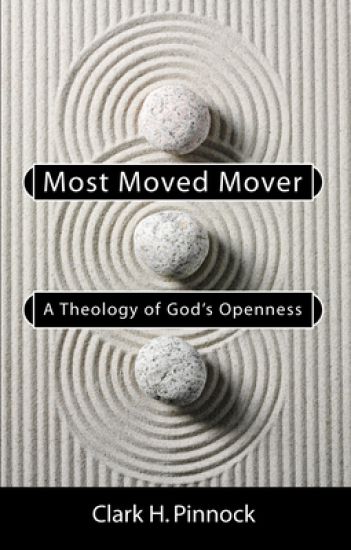
In 1994, Clark Pinnock along with four other scholars published The Openness of God, which set out a new evangelical vision of God--one centered on his open, relational, and responsive love for creation. Since then, the nature of God has been widely discussed throughout the evangelical community. Now, Pinnock returns with Most Moved Mover to once again counter the classical, deterministic view of God and defend the relationality and openness of God. This engaging defense of openness theology begins with an analysis of the current debate, followed by an explanation of the misconceptions about openness theology, and a delineation of areas of agreement between classical and openness theologians. Most Moved Mover is for all evangelicals, regardless of their viewpoint, as it lays out the groundwork for future discussions of the open view of God.
In the late 1990s, ""Open Theism"" took the theological world by storm. Advocated by several prominent theologians, among them Clark H. Pinnock, the view argues that human beings cannot have a genuine relationship with God if God possesses what classical theology has affirmed to be exhaustive foreknowledge of future events. Such foreknowledge, open theists claim, would make human freedom (and salvation itself) meaningless and divine power akin to little more than meaningless, cosmic puppeteering. While several works have taken the important step of addressing open theisms scriptural deficiencies in its denial of Gods foreknowledge, none have dealt with the vital issue of divine-human relationality and how it can be understood in a classical, orthodox framework that maintains such foreknowledge. Consuming Glory remedies that lack by first providing a fresh critique of open theism using Clark Pinnock's version of it as representative, but then offering a reconstruction of divine-human relationality centered on the Biblical principle of Christus in nobis (Christ in us). Christus in nobis is coupled with an outworking of meticulous divine providence that serves Gods own self-glorifying orientation. It reverses the relational ordering advocated in open theism by grounding human love of God theologically rather than anthropologically. Love of God and divine-human relationality is established precisely because it is Gods own self-love that is providentially given to us and thus reciprocated as believers are brought into adoptive communion with the Triune Godhead. Drawing on diverse resources throughout the corpus of historical theology, Murphy concludes that divine-human relationality can be summarized as God delighting in himself, in us. 'This work is not merely a critique of open theist] Clark Pinnock, and neither is it a re-assertion of traditionalist Evangelical theology in the face of open theism. While convincingly out-flanking Pinnock and offering his own original view of divine-human relationality, Murphy displays a degree of argumentative precision and attention to the depths of the tradition which far surpasses Pinnock's work. He provides a fresh contribution to the debate concerning the doctrine of God which will be of interest to a wide constituency. This book is to be very warmly welcomed.' Dr. Simon Oliver Associate Professor of Systematic Theology University of Wales, Lampeter Gannon Murphy holds a Ph. D. in Theology from the University of Wales, Lampeter, and an M. A. in Theological Studies from Bethel Theological Seminary. He is the author of Voices of Reason in Christian History: The Great Apologists, Their Lives and Legacies.
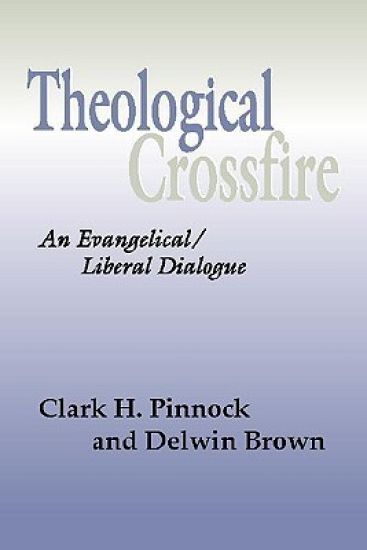
This book is a plea for a constructive liberal/conservative dialogue by demonstrating what such an exchange could be like. Assuming that liberal and conservative Christians are abysmally ignorant about each other, that each has a great deal to learn from the other, and that dialogue between the two will strengthen them individually, Clark Pinnock concludes that the renewed vitality of Christianity in today's world hinges in an important way on whether a genuine conservative/liberal dialogue comes into being.
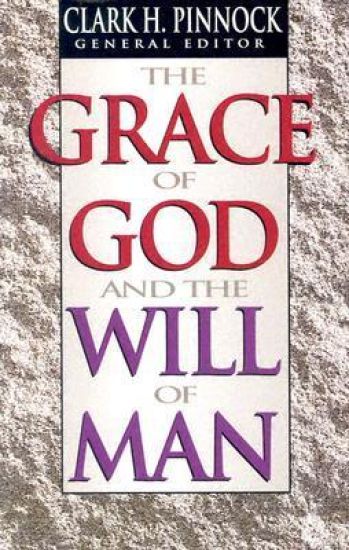
Does God's Sovereignty Make Human Freedom Meaningless? The Grace of God and the Will of Man brings together an impressive array of evangelical scholars from many traditions to examine the scope of God's saving purposes and His manner of working for the salvation of human beings. Developing the proposition that the dynamic, personal God of the Bible respects the freedom He has given to the human race, the essays in this book paint a picture of how God sensitively works out His plans for individuals and the whole of history. The writers of this volume don't claim the last word on this subject, but they make a convincing case for an evangelical alternative to deterministic theology. Dr. Clark H. Pinnock, general editor of this volume and the acclaimed book The Openness of God, is Professor of Theology at McMaster Divinity College in Ontario, Canada.
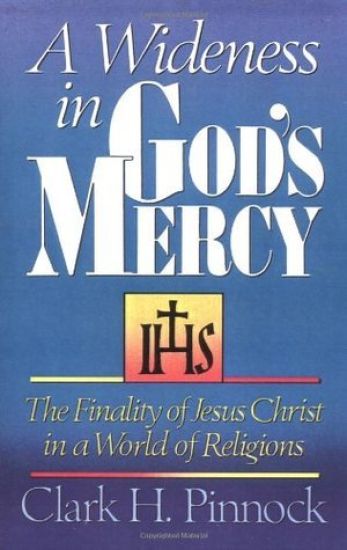
Here is a ground-breaking book that suggests some new possibilities of interpretation around the challenge of religious pluralism. The subject of the book is the finality of Jesus Christ in a world of different religions. Pinnock explains succinctly the factors that have made religious pluralism a major challenge for Christian theology. Then he places the issue in the history of doctrine leading up to the present day. Five chapters follow this introductory material and cover the field very systematically: The first chapter deals with God's global reach in salvation and shows that God is concerned for all people in all nations; chapter two highlights the Christology through which God is known to be the God of grace; the third chapter shows how the Bible views other religions as they presently exist and how we can understand them; chapter four deals with religions as non-static entities and the object of divine power bringing in the kingdom; and the fifth chapter discusses eschatology, or how it is possible to understand salvation in generous and large terms. A Wideness in God's Mercy is one of the very few books to present a strong proposal on the issue of religious pluralism while maintaining a rock-solid evangelical stance. It will no doubt launch a decade of discussion on a higher level among Christians.
This book proposes that the Bible's central claim to answer our ultimate life and death questions is the clue for a method of interpretation which fits with the nature of the text as a canonic whole. A faithful hermeneutic of Scripture will be pastoral in intention, approaching Scripture on the level of certitude. The book is unusual in that it attempts to forge a synthesis between an evangelical concern for biblical authority with modern critical concerns to do justice to the phenomena of Scripture.