Kirjojen hintavertailu – 12 859 818 kirjaa ja 27 kauppaa

Kirjailija

Claude Wilkinson

Kirjat ja teokset yhdessä paikassa: 6 kirjaa, julkaisuja vuosilta 2018–2024, suosituimpiin kuuluu Marvelous Light. Vertaile teosten hintoja ja tarkista saatavuus suomalaisista kirjakaupoista.

6 kirjaa

Kirjojen julkaisuvuodet: 2018–2024.

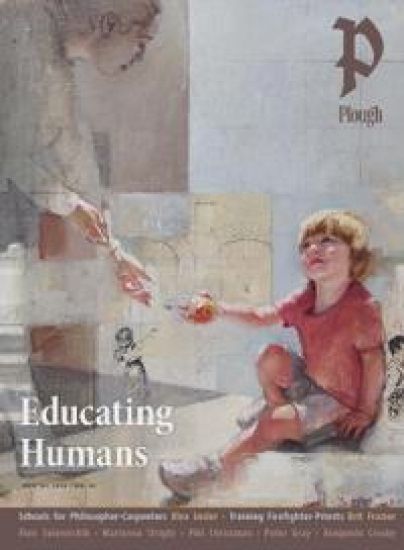
Plough Quarterly No. 42 – Educating Humans

Plough Quarterly No. 42 – Educating Humans

Meir Soloveichik; Grace Hamman; Peter Gray; Claude Wilkinson; Alex Sosler; Brit Frazier; Phil Christman; Stephanie Ebert; Patrick Tomassi; Benjamin Crosby; Marianne Wright; Frederick K. S. Leung; Paul Coleman

PLOUGH PUBLISHING HOUSE
2024
nidottu
Education has become too narrowly focused on academic success and future earning potential. But creative schools and individual teachers are finding ways, new and old, to reverse this trend. From kindergarten to university, writers in this issue of Plough step back to look at education as the holistic task of forming healthy, responsible, passionate humans, and share success stories from the front lines. On this theme: Alex Sosler on innovative schools where students learn a trade and study the humanities. Brit Frazier on becoming a local volunteer firefighter. Peter Gray on why free play is essential. Anthony Garces-Foley on why he chose to teach in a public school. Stephanie Ebert on reading children scary fairy tales. Patrick Tomassi on Lernvergnugenstag, when teachers get to teach what inspires them. Tim Maendel on a public high school that raises deer and fish. Phil Christmas on why everyone still needs literature. Benjamin Crosby on how Christian teaching gets passed on. Frederick K. S. Leung on why math is not merely instrumental. Also in this issue: Rabbi Meir Soloveichik on hearing God in the subway. Grace Hamman on Sister Penelope, mentor to C. S. Lewis. Paul Coleman on religious persecution in Nicaragua and Finland. Reviews of Edwidge Danticat’s We’re Alone, John Inazu’s Learning to Disagree, and H. G. Parry’s The Magician’s Daughter. New poems by Claude Wilkinson. Plough Quarterly features stories, ideas, and culture for people eager to apply their faith to the challenges we face. Each issue includes in-depth articles, interviews, poetry, book reviews, and art.
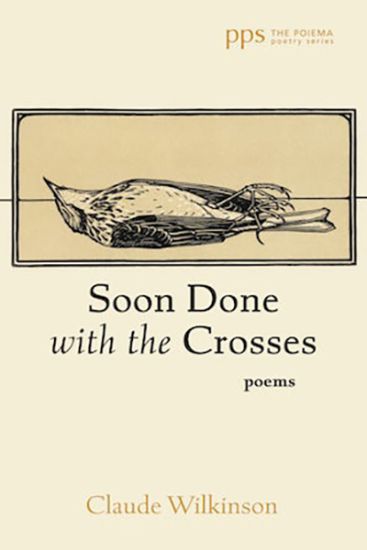
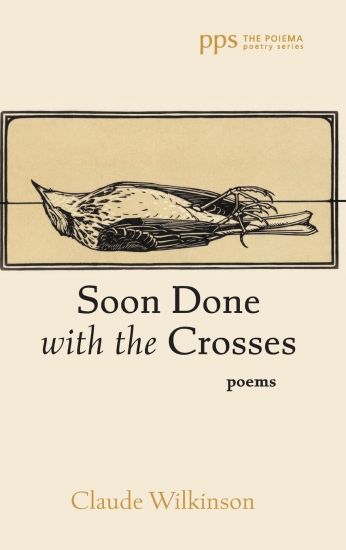
Soon Done with the Crosses

Soon Done with the Crosses

Claude Wilkinson

Cascade Books
2023
pokkari
Two excerpts from spirituals, offered as epigraphs, foreshadow themes in Soon Done with the Crosses. The first song, "One of These Days," suggests inevitable burdens that all of us must bear at some point, while the second song, "Do Lord," supposes a glorious reward for those who faithfully endure. The poems in this book form a catalog of varied trials--both historical and contemporary--drawn from art, imaginings, the natural world, and aspects of the human condition, coupled with questions about eternity. Though while the collection begins with pleas for some bright assurance, it concludes in yet another vigil through dark, lonely hours, longing for morning's clarifying light.
Soon Done with the Crosses

Soon Done with the Crosses

Claude Wilkinson

Cascade Books
2023
sidottu
Two excerpts from spirituals, offered as epigraphs, foreshadow themes in Soon Done with the Crosses. The first song, "One of These Days," suggests inevitable burdens that all of us must bear at some point, while the second song, "Do Lord," supposes a glorious reward for those who faithfully endure. The poems in this book form a catalog of varied trials--both historical and contemporary--drawn from art, imaginings, the natural world, and aspects of the human condition, coupled with questions about eternity. Though while the collection begins with pleas for some bright assurance, it concludes in yet another vigil through dark, lonely hours, longing for morning's clarifying light.
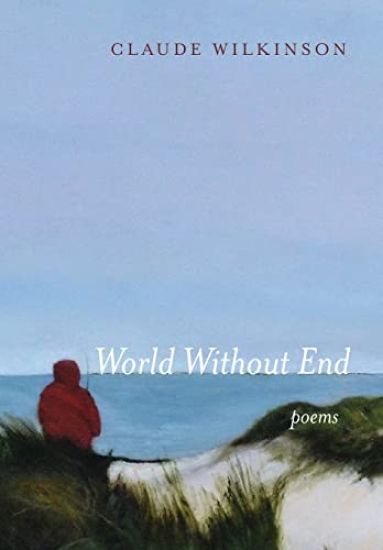
World Without End

World Without End

Claude Wilkinson

Slant Books
2020
sidottu
World Without End, Claude Wilkinson's fourth poetry collection, takes its title from the last words of the Gloria Patri. But the preceding words--"as it was in the beginning, is now and ever shall be"-- also echo the book's overarching theme: the seemingly infinite spiritual implications woven throughout our experience in the natural world. The poems are organized into meditations on family and community, spiritual worldviews, art and its insights, and nature's endless source of ever-relevant metaphor. The poems also speak to each other across these sections--and even with poems in Wilkinson's earlier collections. World Without End opens with "Among Other Things, My Father Teaches Me How to Mow Grass," exploring the relationship of father and son, something that is revisited later on in "Salvia." Both poems long for conciliation between father and son through yard work--restoring order in the garden, a lost Eden. Wilkinson's gift for ekphrastic poetry remains strong in World Without End, though here it is more referential and allusive. Rather than engaging specific works of art, the poet strives to understand the broader aesthetic visions of figures like Theodore Dreiser, Vincent Van Gogh, and Walter Anderson. In the title poem, a reference to Edward Hicks's The Peaceable Kingdom suggests art's ephemeral yet sustaining power--and an irrepressible yearning for a return to paradise.
World Without End

World Without End

Claude Wilkinson

Slant Books
2020
pokkari
World Without End, Claude Wilkinson's fourth poetry collection, takes its title from the last words of the Gloria Patri. But the preceding words--"as it was in the beginning, is now and ever shall be"-- also echo the book's overarching theme: the seemingly infinite spiritual implications woven throughout our experience in the natural world. The poems are organized into meditations on family and community, spiritual worldviews, art and its insights, and nature's endless source of ever-relevant metaphor. The poems also speak to each other across these sections--and even with poems in Wilkinson's earlier collections. World Without End opens with "Among Other Things, My Father Teaches Me How to Mow Grass," exploring the relationship of father and son, something that is revisited later on in "Salvia." Both poems long for conciliation between father and son through yard work--restoring order in the garden, a lost Eden. Wilkinson's gift for ekphrastic poetry remains strong in World Without End, though here it is more referential and allusive. Rather than engaging specific works of art, the poet strives to understand the broader aesthetic visions of figures like Theodore Dreiser, Vincent Van Gogh, and Walter Anderson. In the title poem, a reference to Edward Hicks's The Peaceable Kingdom suggests art's ephemeral yet sustaining power--and an irrepressible yearning for a return to paradise.
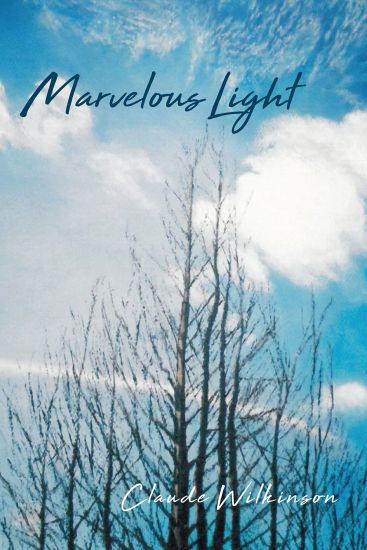
Marvelous Light

Marvelous Light

Claude Wilkinson

Stephen F. Austin State University Press
2018
nidottu
Similar to Antonio Vivaldi's The Four Seasons, poems that compose the sections of Claude Wilkinson's Marvelous Light explore nature's cycles with respect to their parallels of, and import to, our human lives. Il cimento dell'armonia e dell'inventione, or The Contest between Harmony and Invention, a title under which Vivaldi's work was first published, suggests part of an overarching theme that is implicit within Wilkinson's collection—that is to say, his poems strive for a balance of euphony and the revelation of artistic rigor. Epigraphs from 1 Peter 2:9 and Henry James's “The Middle Years” serve to enlighten readers as they read the poems that also image divinity's role in the creative process.