Kirjojen hintavertailu – 12 903 727 kirjaa ja 27 kauppaa

Kirjailija

Claudia Benthien

Kirjat ja teokset yhdessä paikassa: 7 kirjaa, julkaisuja vuosilta 2002–2025, suosituimpiin kuuluu Tribunal der Blicke. Vertaile teosten hintoja ja tarkista saatavuus suomalaisista kirjakaupoista.

7 kirjaa

Kirjojen julkaisuvuodet: 2002–2025.

Public Poetry: Lyrik Im Urbanen Raum

Public Poetry: Lyrik Im Urbanen Raum

Claudia Benthien; Norbert Gestring

De Gruyter
2025
nidottu
Die interdisziplin re Studie untersucht Lyrik, die in st dtischen R umen zu sehen oder zu h ren ist. Aus literaturwissenschaftlicher Perspektive interessieren vor allem die sthetik, Sprachgestaltung und Ortsbez glichkeit der pr sentierten Lyrik, aus stadtsoziologischer Sicht die Einbindung der Projekte in stadtpolitische Konstellationen, Debatten ber ffentliche R ume und ihr Beitrag zur Produktion des jeweiligen Raums. Das Spektrum der analysierten Lyrikprojekte ist vielf ltig. Es reicht von Wandgedichten an Hausfassaden und Audiowalks in Stadtvierteln ber Gedichte auf Lesezeichen, die vom Hubschrauber auf ffentliche Pl tze abgeworfen werden, oder gro formatige Projektionen an repr sentative Geb ude einer Stadt bis zu informellen, durch Dichter: innen oder Anwohner: innen initiierte Formen, etwa Gedichte auf kopierten Zetteln, die in Parks oder U-Bahnen aufgeh ngt werden und derart ihr "Recht auf Stadt" (Henri Lefebvre) beanspruchen. Lyrikprojekte in urbanen R umen wurden bisher nicht untersucht. Die Studie schlie t nicht nur dieses Desiderat der Lyrikforschung, sondern bietet durch den interdisziplin ren Ansatz kreative Interpretationen von Gedichten in st dtischen Kontexten, die f r ein breites Lesepublikum interessant sind.
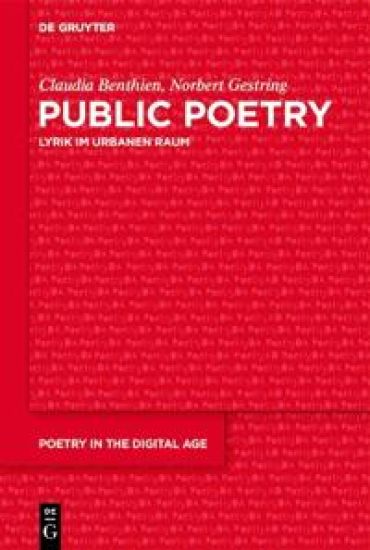
Public Poetry

Public Poetry

Claudia Benthien; Norbert Gestring

De Gruyter
2023
sidottu
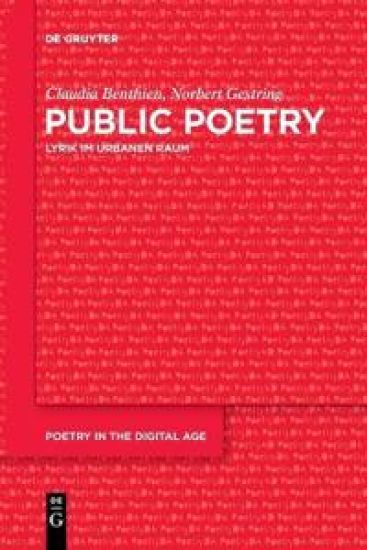
Die interdisziplinäre Studie untersucht Lyrik, die in städtischen Räumen zu sehen oder zu hören ist. Aus literaturwissenschaftlicher Perspektive interessieren vor allem die Ästhetik, Sprachgestaltung und Ortsbezüglichkeit der präsentierten Lyrik, aus stadtsoziologischer Sicht die Einbindung der Projekte in stadtpolitische Konstellationen, Debatten über öffentliche Räume und ihr Beitrag zur Produktion des jeweiligen Raums. Das Spektrum der analysierten Lyrikprojekte ist vielfältig. Es reicht von Wandgedichten an Hausfassaden und Audiowalks in Stadtvierteln über Gedichte auf Lesezeichen, die vom Hubschrauber auf öffentliche Plätze abgeworfen werden, oder großformatige Projektionen an repräsentative Gebäude einer Stadt bis zu informellen, durch Dichter:innen oder Anwohner:innen initiierte Formen, etwa Gedichte auf kopierten Zetteln, die in Parks oder U-Bahnen aufgehängt werden und derart ihr „Recht auf Stadt" (Henri Lefebvre) beanspruchen. Lyrikprojekte in urbanen Räumen wurden bisher nicht untersucht. Die Studie schließt nicht nur dieses Desiderat der Lyrikforschung, sondern bietet durch den interdisziplinären Ansatz kreative Interpretationen von Gedichten in städtischen Kontexten, die für ein breites Lesepublikum interessant sind.
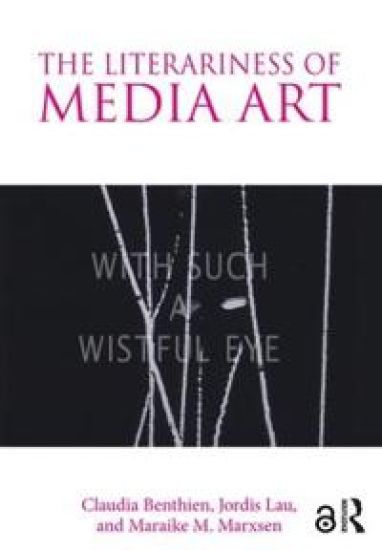
The Literariness of Media Art

The Literariness of Media Art

Claudia Benthien; Jordis Lau; Maraike M. Marxsen

Routledge
2018
nidottu
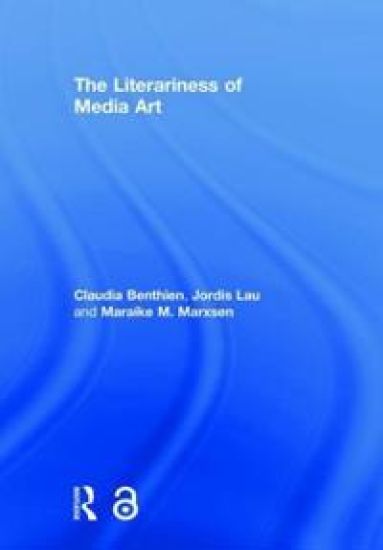
The beginning of the 20th century saw literary scholars from Russia positing a new definition for the nature of literature. Within the framework of Russian Formalism, the term ‘literariness’ was coined. The driving force behind this theoretical inquiry was the desire to identify literature—and art in general—as a way of revitalizing human perception, which had been numbed by the automatization of everyday life. The transformative power of ‘literariness’ is made manifest in many media artworks by renowned artists such as Chantal Akerman, Mona Hatoum, Gary Hill, Jenny Holzer, William Kentridge, Nalini Malani, Bruce Nauman, Martha Rosler, and Lawrence Weiner. The authors use literariness as a tool to analyze the aesthetics of spoken or written language within experimental film, video performance, moving image installations, and other media-based art forms. This volume uses as its foundation the Russian Formalist school of literary theory, with the goal of extending these theories to include contemporary concepts in film and media studies, such as Neoformalism, intermediality, remediation, and postdrama.
The Literariness of Media Art

The Literariness of Media Art

Claudia Benthien; Jordis Lau; Maraike M. Marxsen

Routledge
2018
sidottu
The beginning of the 20th century saw literary scholars from Russia positing a new definition for the nature of literature. Within the framework of Russian Formalism, the term ‘literariness’ was coined. The driving force behind this theoretical inquiry was the desire to identify literature—and art in general—as a way of revitalizing human perception, which had been numbed by the automatization of everyday life. The transformative power of ‘literariness’ is made manifest in many media artworks by renowned artists such as Chantal Akerman, Mona Hatoum, Gary Hill, Jenny Holzer, William Kentridge, Nalini Malani, Bruce Nauman, Martha Rosler, and Lawrence Weiner. The authors use literariness as a tool to analyze the aesthetics of spoken or written language within experimental film, video performance, moving image installations, and other media-based art forms. This volume uses as its foundation the Russian Formalist school of literary theory, with the goal of extending these theories to include contemporary concepts in film and media studies, such as Neoformalism, intermediality, remediation, and postdrama.
Tribunal der Blicke

Tribunal der Blicke

Claudia Benthien

Bohlau Verlag
2011
isokokoinen pokkari
In der Tragodientheorie von der Antike bis zur Gegenwart fehlt bislang eine Auseinandersetzung mit der Kategorie der Scham - ihr kommt, im Unterschied zur extensiv behandelten Kategorie der Schuld, kaum Beachtung zu. Zwar gilt Schuld als der edlere, ethisch wertvollere und fur das Tragische massgebliche Affekt, doch ist es eigentlich die Scham, die in Kulturtheorien so eng mit dem fur die Tragodie leitenden Konzept autonomer Subjektivitat und deren existenzieller Beschadigung verbunden wird, denn Scham betrifft immer die ganze Person. Um 1800 entstand uberdies mit der Philosophie des Tragischen eine Auffassung der menschlichen Existenz, die die der Tragodie entnommene Schuldkonzeption anthropologisiert und universalisiert. Das Buch erortert aktuelle kulturtheoretische Ansatze zu Scham und Schuld und nimmt sie zur Grundlage einer Neuinterpretation bedeutender Tragodien von Friedrich Schiller (Die Jungfrau von Orleans, Die Braut von Messina) und Heinrich von Kleist (Die Familie Schroffenstein, Penthesilea).
Skin

Skin

Claudia Benthien

Columbia University Press
2004
pokkari
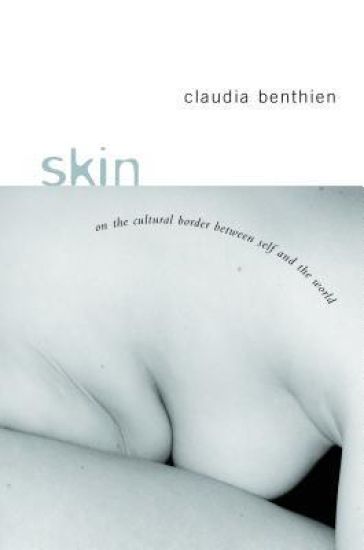
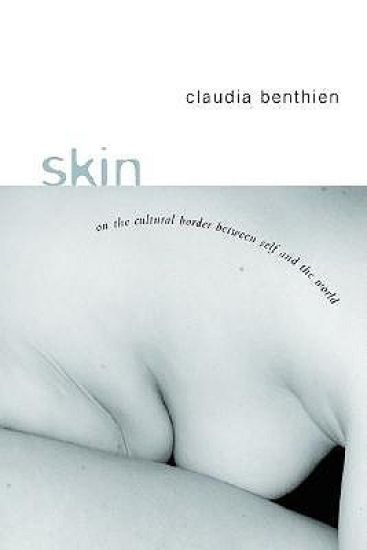
"Only skin deep," "getting under one's skin," "the naked truth": metaphors about the skin pervade the language even as physical embellishments and alterations-tattoos, piercings, skin-lifts, liposuction, tanning, and more-proliferate in Western culture. Yet outside dermatology textbooks, the topic of skin has been largely ignored. This important cultural study shows how our perception of skin has changed from the eighteenth century to the present. Claudia Benthien argues that despite medicine's having penetrated the bodily surface and exposed the interior of the body as never before, skin, paradoxically, has become a more and more unyielding symbol. She examines the changing significance of skin through brilliant analyses of literature, art, philosophy, and anatomical drawings and writings. Benthien discusses the semantic and psychic aspects of touching, feeling, and intellectual perception; the motifs of perforated, armored, or transparent skin; the phantasma of flaying; and much more through close readings of such authors as Kleist, Hawthorne, Balzac, Rilke, Kafka, Plath, Morrison, Wideman, and Ondaatje. Myriad images from the Renaissance, anatomy books, and contemporary visual and performance art enhance the text.
Skin

Skin

Claudia Benthien

Columbia University Press
2002
sidottu
"Only skin deep," "getting under one's skin," "the naked truth": metaphors about the skin pervade the language even as physical embellishments and alterations-tattoos, piercings, skin-lifts, liposuction, tanning, and more-proliferate in Western culture. Yet outside dermatology textbooks, the topic of skin has been largely ignored. This important cultural study shows how our perception of skin has changed from the eighteenth century to the present. Claudia Benthien argues that despite medicine's having penetrated the bodily surface and exposed the interior of the body as never before, skin, paradoxically, has become a more and more unyielding symbol. She examines the changing significance of skin through brilliant analyses of literature, art, philosophy, and anatomical drawings and writings. Benthien discusses the semantic and psychic aspects of touching, feeling, and intellectual perception; the motifs of perforated, armored, or transparent skin; the phantasma of flaying; and much more through close readings of such authors as Kleist, Hawthorne, Balzac, Rilke, Kafka, Plath, Morrison, Wideman, and Ondaatje. Myriad images from the Renaissance, anatomy books, and contemporary visual and performance art enhance the text.