
Kirjailija
Claudia Copeland
Kirjat ja teokset yhdessä paikassa: 14 kirjaa, julkaisuja vuosilta 2003–2025, suosituimpiin kuuluu Clean Air ACT. Vertaile teosten hintoja ja tarkista saatavuus suomalaisista kirjakaupoista.
14 kirjaa
Kirjojen julkaisuvuodet: 2003–2025.
EPA's Vessel General Permits: Background and Issues: R42142
Claudia Copeland; Congressional Research Service
Createspace Independent Publishing Platform
2016
nidottu
EPA and the Army Corps' Proposed Rule to Define "Waters of the United States"
Claudia Copeland
Createspace Independent Publishing Platform
2015
nidottu
Environmental Protection Agency (EPA): Appropriations for FY2013
David M. Bearden; Mary Tiemann; Claudia Copeland
Createspace Independent Publishing Platform
2013
nidottu
EPA Regulations: Too Much, Too Little, or On Track?
Claudia Copeland; James E. McCarthy
Createspace Independent Publishing Platform
2012
nidottu
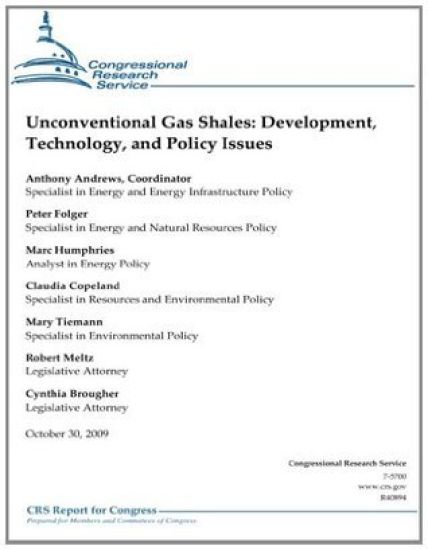
Unconventional Gas Shales: Development, Technology, and Policy Issues
Peter Folger; Marc Humphries; Claudia Copeland
Createspace Independent Publishing Platform
2012
nidottu
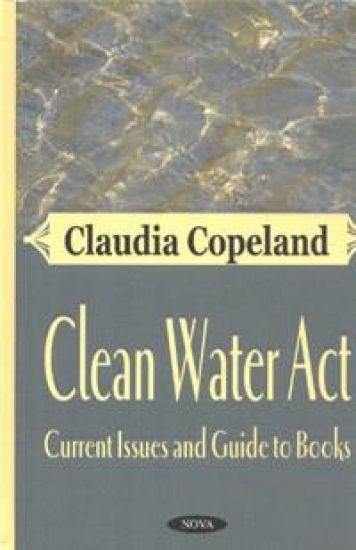
The Clean Water Act (CWA) requires states to identify waters that are impaired by pollution, even after application of pollution controls. For these waters, states must establish a total maximum daily load (TMDL) of pollutants to ensure that water quality standards can be attained. Implementation was dormant until states and the Environmental Protection Agency (EPA) were prodded by numerous lawsuits. The TMDL program has become controversial, in part because of requirements and costs now facing states to implement this 30-year old provision of the law. In 1999, EPA proposed regulatory changes to strengthen the TMDL program. Industries, cities farmers and others may be required to use new pollution controls to meet TMDL requirements. EPA's proposal was widely criticised and congressional interest has been high. This book explores the lingering dispute between states and industry groups, beginning from the Clinton administration and stretching all the way to the present. However, Congress recognised in the Act that, in many cases, pollution controls implemented by industry and cities would be insufficient, due to pollutant contributions from other unregulated sources.