
Kirjojen hintavertailu – 12 903 725 kirjaa ja 27 kauppaa

Kirjailija

Clementina Caputo

Kirjat ja teokset yhdessä paikassa: 2 kirjaa, julkaisuja vuosilta 2020–2025, suosituimpiin kuuluu Ostraka from Trimithis, Volume 3. Vertaile teosten hintoja ja tarkista saatavuus suomalaisista kirjakaupoista.

2 kirjaa

Kirjojen julkaisuvuodet: 2020–2025.

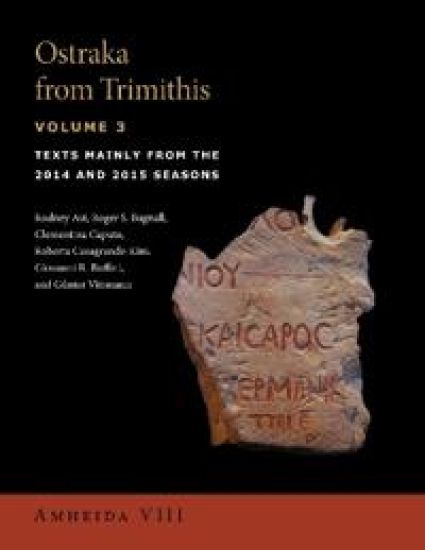
Ostraka from Trimithis, Volume 3

Ostraka from Trimithis, Volume 3

Rodney Ast; Roger S. Bagnall; Clementina Caputo; Roberta Casagrande-Kim; Giovanni R. Ruffini; Günter Vittmann

NEW YORK UNIVERSITY PRESS
2025
sidottu
Ostraka from Trimithis, Volume 3 presents 232 new or re-edited texts from the excavations conducted at the site of Amheida (Trimithis in the Roman period and Setwah in earlier times). In addition to the Greek texts, which are predominantly from the 2014 and 2015 field seasons, this volume also includes editions of Demotic and Hieratic ostraka found between 2004 and 2015, as well as miscellaneous inscriptions and graffiti and the first detailed presentation of all ostraka that contain drawings.
The House of Serenos, Part I

The House of Serenos, Part I

Clementina Caputo

New York University Press
2020
sidottu
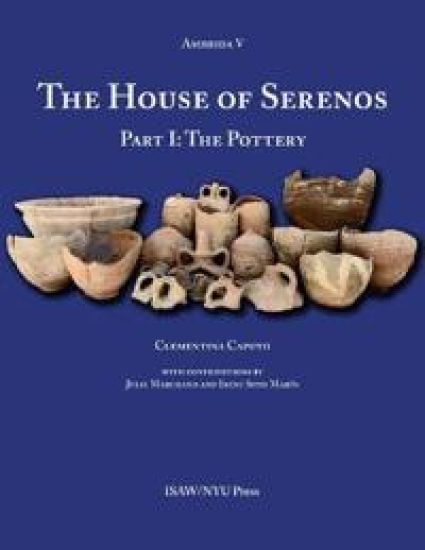
A comprehensive archaeological study of the ceramic finds from a house in Amheida The House of Serenos: Part I: The Pottery (Amheida V) is a comprehensive full-color catalog and analysis of the ceramic finds from the late antique house of a local notable and adjacent streets in Amheida. It is the fifth book in the Amheida series. Amheida is located in the western part of the Dakhla oasis, 3.5 km south of the medieval town of El-Qasr. Known in Hellenistic and Roman times as Trimithis, Amheida became a polis by 304 CE and was a major administrative center of the western part of the oasis for the whole of the fourth century. The home's owner was one Serenos, a member of the municipal elite and a Trimithis city councillor, as we know from documents found in the house. His house is particularly well preserved with respect to floor plan, relationship to the contemporary urban topography, and decoration, including domestic display spaces plastered and painted with subjects drawn from Greek mythology and scenes depicting the family that owned the house. The archaeology from the site also reveals the ways in which the urban space changed over time, as Serenos's house was built over and expanded into some previously public spaces. The house was probably abandoned around or soon after 370 CE. The pottery analyzed in this volume helps to refine the relationship of the archaeological layers belonging to the élite house and the layers below it; it also sheds light on the domestic and economic life of the household and region, from cooking and dining to the management of a complex agricultural economy in which ceramics were the most common form of container for basic commodities. The book will be of interest to specialists interested in ceramology, Roman Egypt, and the material culture, social history, and economy of late antiquity.