
Kirjailija
Clifton Crais
Kirjat ja teokset yhdessä paikassa: 9 kirjaa, julkaisuja vuosilta 2002–2027, suosituimpiin kuuluu The Killing Age. Vertaile teosten hintoja ja tarkista saatavuus suomalaisista kirjakaupoista.
9 kirjaa
Kirjojen julkaisuvuodet: 2002–2027.
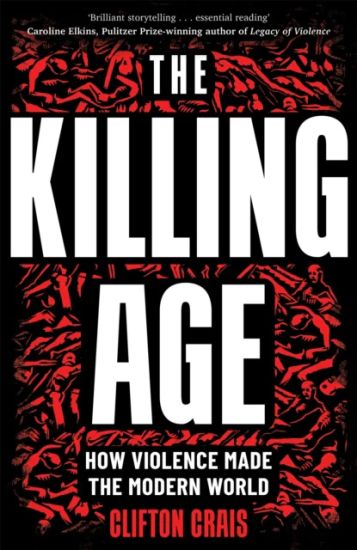


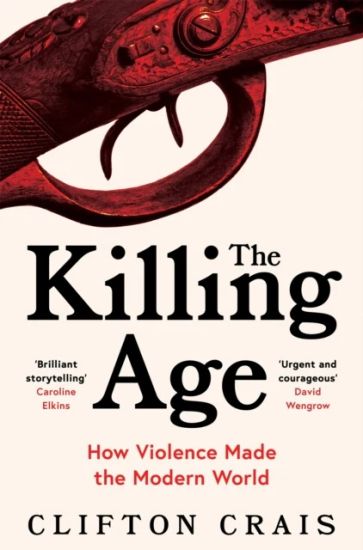
The Killing Age: How Violence Made the Modern World
Clifton Crais
University of Chicago Press
2025
sidottu
Halvin toimitettuna 31,80 €
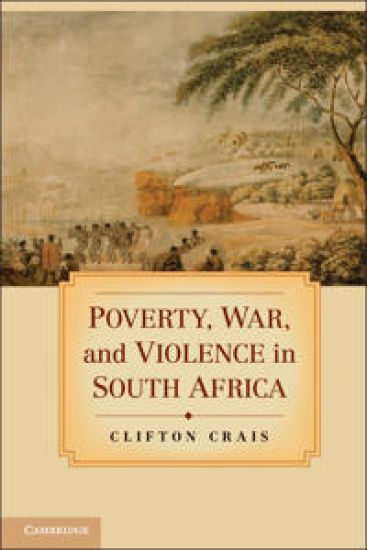
Poverty and violence are issues of global importance. In Poverty, War, and Violence in South Africa, Clifton Crais explores the relationship between colonial conquest and the making of South Africa's rural poor. Based on a wealth of archival sources, this detailed history changes our understanding of the origins of the gut-wrenching poverty that characterizes rural areas today. Crais shifts attention away from general models of economic change and focuses on the enduring implications of violence in shaping South Africa's past and present. Crais details the devastation wrought by European forces and their African auxiliaries. Their violence led to wanton bloodshed, large-scale destruction of property, and famine. Crais explores how the survivors struggled to remake their lives, including the adoption of new crops, and the world of inequality and vulnerability colonial violence bequeathed. He concludes with a discussion of contemporary challenges and the threats to democracy in South Africa.
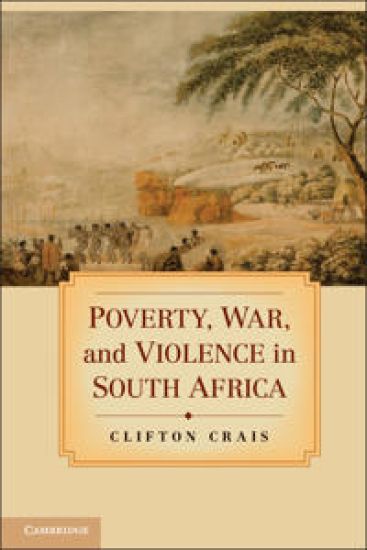
Poverty and violence are issues of global importance. In Poverty, War, and Violence in South Africa, Clifton Crais explores the relationship between colonial conquest and the making of South Africa's rural poor. Based on a wealth of archival sources, this detailed history changes our understanding of the origins of the gut-wrenching poverty that characterizes rural areas today. Crais shifts attention away from general models of economic change and focuses on the enduring implications of violence in shaping South Africa's past and present. Crais details the devastation wrought by European forces and their African auxiliaries. Their violence led to wanton bloodshed, large-scale destruction of property, and famine. Crais explores how the survivors struggled to remake their lives, including the adoption of new crops, and the world of inequality and vulnerability colonial violence bequeathed. He concludes with a discussion of contemporary challenges and the threats to democracy in South Africa.
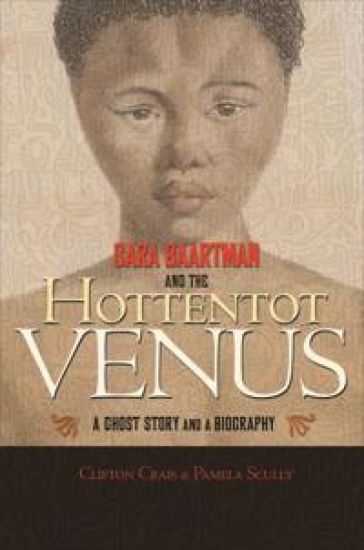
Sara Baartman and the Hottentot Venus
Clifton Crais; Pamela Scully
Princeton University Press
2010
pokkari
Displayed on European stages from 1810 to 1815 as the Hottentot Venus, Sara Baartman was one of the most famous women of her day, and also one of the least known. As the Hottentot Venus, she was seen by Westerners as alluring and primitive, a reflection of their fears and suppressed desires. But who was Sara Baartman? Who was the woman who became the Hottentot Venus? Based on research and interviews that span three continents, Sara Baartman and the Hottentot Venus tells the entwined histories of an illusive life and a famous icon. In doing so, the book raises questions about the possibilities and limits of biography for understanding those who live between and among different cultures. In reconstructing Baartman's life, the book traverses the South African frontier and its genocidal violence, cosmopolitan Cape Town, the ending of the slave trade, the Industrial Revolution, the French Revolution, the Napoleonic Wars, London and Parisian high society, and the rise of racial science. The authors discuss the ramifications of discovering that when Baartman went to London, she was older than originally assumed, and they explore the enduring impact of the Hottentot Venus on ideas about women, race, and sexuality. The book concludes with the politics involved in returning Baartman's remains to her home country, and connects Baartman's story to her descendants in nineteenth- and twentieth-century South Africa. Sara Baartman and the Hottentot Venus offers the authoritative account of one woman's life and reinstates her to the full complexity of her history.
In The Politics of Evil, Clifton Crais provides a unique interpretation of South African history and a fresh approach to the study of power, culture and resistance in the modern world. Encompassing all of South Africa's history in his analysis, Crais examines the formation of an authoritarian political order and the complex ways people understood and resisted the colonial state. He explores state formation as a cultural and political process as well as a moral problem and he looks at indigenous concepts of power, authority and evil, analysing how they shaped cross-cultural encounters and the making of a colonial order. Apartheid represented one of the great evils of the twentieth century. This book reveals how the victims of apartheid understood the triumph of this evil in their lives as they elaborated rich and at times violent visions of a just world. Professor Crais concludes by looking at political transition, the challenges to creating a durable democracy and the persistence of evil in South Africa.
In The Politics of Evil, Clifton Crais provides a unique interpretation of South African history and a fresh approach to the study of power, culture and resistance in the modern world. Encompassing all of South Africa's history in his analysis, Crais examines the formation of an authoritarian political order and the complex ways people understood and resisted the colonial state. He explores state formation as a cultural and political process as well as a moral problem and he looks at indigenous concepts of power, authority and evil, analysing how they shaped cross-cultural encounters and the making of a colonial order. Apartheid represented one of the great evils of the twentieth century. This book reveals how the victims of apartheid understood the triumph of this evil in their lives as they elaborated rich and at times violent visions of a just world. Professor Crais concludes by looking at political transition, the challenges to creating a durable democracy and the persistence of evil in South Africa.