Kirjojen hintavertailu – 12 859 828 kirjaa ja 27 kauppaa

Kirjailija

Clive Norris

Kirjat ja teokset yhdessä paikassa: 6 kirjaa, julkaisuja vuosilta 1998–2020, suosituimpiin kuuluu The Maximum Surveillance Society. Vertaile teosten hintoja ja tarkista saatavuus suomalaisista kirjakaupoista.

6 kirjaa

Kirjojen julkaisuvuodet: 1998–2020.

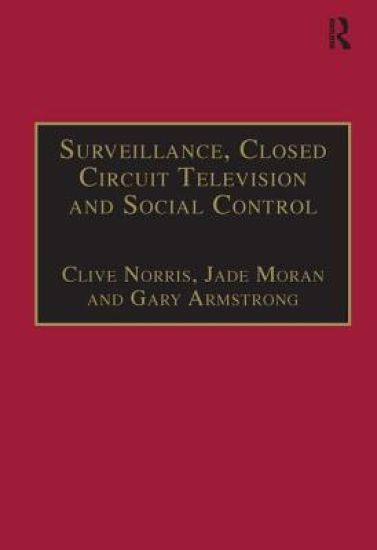
Surveillance, Closed Circuit Television and Social Control
The rise of CCTV camera surveillance in Britain has been dramatic. Practically every major city now boasts a CCTV system aimed at, among other things, preventing, detecting and reducing the fear of crime. Increasingly these developments are mirrored in villages, shopping malls, residential estates, transport systems, schools and hospitals throughout the country. In short, for the majority of citizens it is now impossible to avoid being monitored and recorded as we move through public space. Surveillance, CCTV and Social Control represents the first systematic attempt to account for this phenomenon. It brings together leading researchers from the fields of anthropology, criminology, evaluation, geography, sociology and urban planning to explore the development, impact and implications of CCTV surveillance. Accordingly attention is directed to a number of key questions. How does CCTV fit with the trends of late modernity? Does CCTV reduce crime or merely shift it elsewhere? How should CCTV be evaluated? What is the significance of CCTV for women's safety? How adequate is the regulation of CCTV? In the light of recent technological developments what is the future of CCTV surveillance?

Introducing Criminology

Introducing Criminology

Clive Coleman; Clive Norris

Willan Publishing
2000
sidottu
Criminology, or the study of crime, has developed rapidly as a subject in recent years, while crime and the problem of how to respond to it have become major concerns for society as a whole. This book provides a succinct, highly readable - and much needed - introduction to criminology for those who want to learn more, whether they are already studying the subject, thinking of doing so, or just interested to discover what criminology is about. Introducing Criminology begins by asking basic questions: what is crime? what is criminology?, before examining the ways in which crime has been studied, and looking at the main approaches and schools of thought within criminology and how these have been developed. The authors focus particularly upon attempts to understand and explain crime by the disciplines of psychology and sociology, and consider also the impact of feminist and postmodern thought on the development of the subject. In the second part of the book the authors take three very different topics to illustrate themes raised in the first half of the book, exploring the particular issues raised by each topic, and showing how criminologists have gone about their work.
Introducing Criminology

Introducing Criminology

Clive Coleman; Clive Norris

Willan Publishing
2000
nidottu
This title describes and analyzes the development of criminology as a discipline, explaining the main approaches and schools of thought, and how these have been applied in practice. It then takes the example of serial murder to demonstrate the way in which criminologists seek to understand crime.
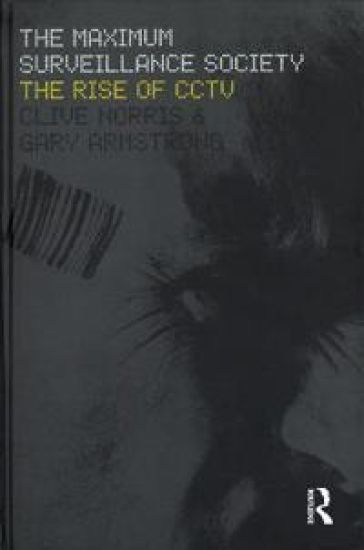
The Maximum Surveillance Society

The Maximum Surveillance Society

Gary Armstrong; Clive Norris

Berg Publishers
1999
sidottu
This book asks provocative questions about the rise of the maximum surveillance society and Closed-Circuit Television (CCTV). Is crime control the principal motivation, or are the reasons more complex? Does surveillance violate peoples' right of privacy?
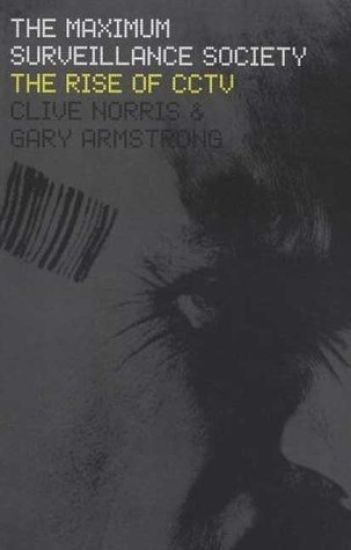
The Maximum Surveillance Society

The Maximum Surveillance Society

Gary Armstrong; Clive Norris

Berg Publishers
1999
nidottu
The use of Closed-Circuit Television, or CCTV, has dramatically increased over the past decade, but its presence is often so subtle as to go unnoticed. Should we unthinkingly accept that increased surveillance is in the public's best interests, or does this mean that ‘Big Brother' is finally watching us? This book asks provocative questions about the rise of the maximum surveillance society. Is crime control the principal motivation behind increased surveillance or are the reasons more complex? Does surveillance violate peoples' right of privacy? Who gets surveilled and why? What are its implications for social control? Does surveillance actually reduce crime? What will developments in technology mean for the future of surveillance? What rights do individuals under surveillance have? How is the information gathered through CCTV used by the authorities? Based on extensive fieldwork on automated surveillance in Britain over a two-year period, this book not only attempts to answer these vexing questions, but also provides a wealth of detailed information about the reasoning behind and effects of social control.
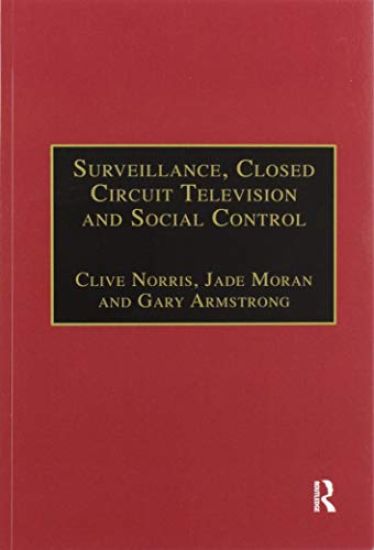
Surveillance, Closed Circuit Television and Social Control

Surveillance, Closed Circuit Television and Social Control

Clive Norris; Jade Moran

Ashgate Publishing Limited
1998
sidottu
The rise of CCTV camera surveillance in Britain has been dramatic. Practically every major city now boasts a CCTV system aimed at, among other things, preventing, detecting and reducing the fear of crime. Increasingly these developments are mirrored in villages, shopping malls, residential estates, transport systems, schools and hospitals throughout the country. In short, for the majority of citizens it is now impossible to avoid being monitored and recorded as we move through public space. Surveillance, CCTV and Social Control represents the first systematic attempt to account for this phenomenon. It brings together leading researchers from the fields of anthropology, criminology, evaluation, geography, sociology and urban planning to explore the development, impact and implications of CCTV surveillance. Accordingly attention is directed to a number of key questions. How does CCTV fit with the trends of late modernity? Does CCTV reduce crime or merely shift it elsewhere? How should CCTV be evaluated? What is the significance of CCTV for women's safety? How adequate is the regulation of CCTV? In the light of recent technological developments what is the future of CCTV surveillance?