Kirjojen hintavertailu – 12 859 819 kirjaa ja 27 kauppaa
Kirjailija
Colin Swatridge
Kirjat ja teokset yhdessä paikassa: 14 kirjaa, julkaisuja vuosilta 1987–2024, suosituimpiin kuuluu A No-Nonsense Guide to Academic Writing. Vertaile teosten hintoja ja tarkista saatavuus suomalaisista kirjakaupoista.
Are you studying a subject in the humanities or social sciences? Do you have a long essay, dissertation, or thesis to write? This short guide is for international students, mature students, all students uncertain as to how to proceed. You won’t have time to read more than you need to, so the student-friendly text is kept to a minimum. Advice is given concerning your title, what you might cover in your introduction; your review of the literature—your analysis of the ‘received opinion’ on the subject; your own counter-argument; your sources and use of evidence; and your conclusion. A number of short, illustrative passages are included, written by distinguished authors, as well as a summary structure plan, and exemplar essay.
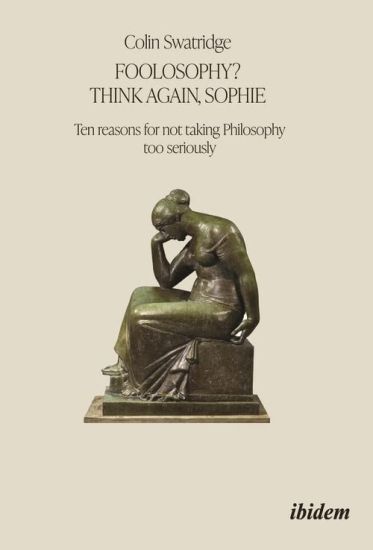
We all philosophize at times. What do we do when we philosophize? We think in a rather concentrated, deep sort of way. In so doing, we do not call ourselves Philosophers; it would be rather pretentious of us if we did. Philosophers are those--generally in university departments of Philosophy--who think, and ask questions, about what reality is made of, what we know, and how we should behave. Philosophers are not fools; but after two and a half thousand years, they have not come up with agreed answers to their questions that are any more useful, or certain, than thinkers who do not call themselves Philosophers. Many of those who do are still caught up in the thought-forms of theology; all are in pursuit of a lost cause except those who write what might be written by thinkers in other domains. Is it not time to admit that there is nothing very special about Philosophy?
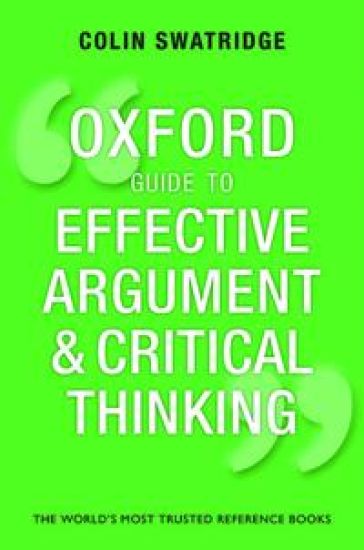
How do you approach an essay or discussion question? How do you review what claims others have made and offer counter-claims? And how do you weigh up the strengths and weaknesses of your own argument before putting together a persuasive conclusion? This accessible book takes you step by step through the art of argument, from thinking about what to write and how you might write it, to how you may strengthen your claims, and how to come to a strong conclusion. Engagingly written and featuring useful summaries at the end of each chapter, this new book offers easily transferable practical advice on assessing the arguments of others and putting forward effective arguments of your own. The book's strength lies in its clear guidance and the use of real-life arguments - both contemporary and historical - and real-life essay questions from a variety of disciplines across the humanities and social sciences. These interesting, relevant, and often entertaining, examples are used not to illustrate, but to make essential points about what can be learnt, what techniques can be borrowed, and what pitfalls to avoid in the area of analytical thinking and writing. The Oxford Guide to Effective Argument and Critical Thinking is sure to improve the written work of any student required to demonstrate the key skills of critical writing and thinking. It is equally as valuable for professionals needing these skills (e.g. journalists, lawyers, researchers, politicians) as well as for anyone who has a case to put forward and would like to do so convincingly.
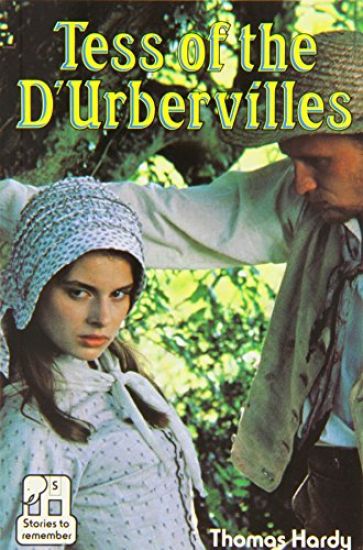
The texts in the "Stories to Remember" series are abridged and simplified but as much as possible of the author's original style and storyline has been retained. This work tells the story of Tess and her relationship with Angel Clare.
Part of a series designed to introduce children to classic literature. The books are abridged and the language simplified. The story shows up the false values of the author's generation. Gatsby is rich, but where does his money come from and is his love for Daisy real?
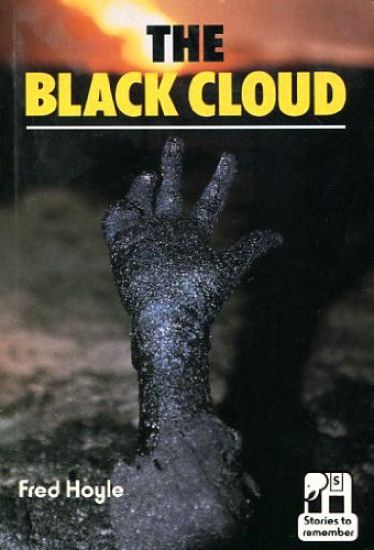
In this issue of "The Black Cloud", much of the original novel's scientific and mathematical nature has been reduced in order to bring the story to the forefront. The novel's plot revolves around the consequences of the Earth's sun being blocked out by an "intelligent" black cloud.
The story of Dr Jekyll, a good man who dedicates his life to helping others, but who also uses a powerful potion to create another version of himself, Mr Hyde, to do his wicked deeds for him.