Kirjojen hintavertailu – 12 903 725 kirjaa ja 27 kauppaa

Kirjailija

Constance Classen

Kirjat ja teokset yhdessä paikassa: 12 kirjaa, julkaisuja vuosilta 1994–2025, suosituimpiin kuuluu Aroma. Vertaile teosten hintoja ja tarkista saatavuus suomalaisista kirjakaupoista.

12 kirjaa

Kirjojen julkaisuvuodet: 1994–2025.

Aroma

Aroma

Constance Classen; David Howes; Anthony Synnott

Routledge
1994
nidottu

Halvin toimitettuna 95,90 €

Smell is a social phenomenon, given particular meanings and values by different cultures. Odours form the building blocks of cosmologies, class hierarchies, and political odours. They can enforce social structures or transgress them, unite people or divide them, empower or disempower. The authors argue that the sociology of smell is repressed in the modern West, and its social history ignored. This book breaks the "olfactory silence" of modernity. It offers the first comprehensive exploration of the cultural role of odours in Western history - from antiquity to the present. It also covers a wide variey of non-Western societies. Its topics range from the medieval concept of the "odour of sanctity", to the aromatherapies of South America, and from olfactory stereotypes of gender and ethnicity in the modern West to the role of smell in postmodernity. Its subject matter will fascinate anyone who likes to nose around in the inner workings of culture.
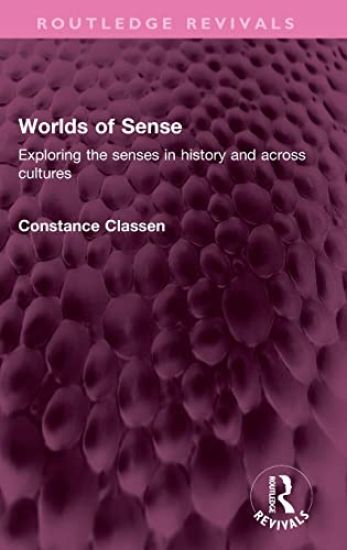
Worlds of Sense

Worlds of Sense

Constance Classen

TAYLOR FRANCIS LTD
2025
nidottu
First published in 1993, Worlds of Sense is an exploration of the historical and cultural formation of the senses. As the author demonstrates, different cultures have strikingly different ways of ‘making sense’ of the world. In the modern urban West, we are accustomed to thinking in terms of visual models such as ‘world view,’ whereas the Ongee of the Andaman Islands, for example, live in a world ordered by smell and the Tzotzil of Mexico hold that temperature is the basic force of the cosmos. In a fascinating examination of the role of the senses in diverse societies and eras, Constance Classen shows the extent to which perception is shaped by and expressive of cultural values. This book will be of interest to students of cultural studies, sociology, anthropology, and philosophy.
Worlds of Sense

Worlds of Sense

Constance Classen

TAYLOR FRANCIS LTD
2023
sidottu
First published in 1993, Worlds of Sense is an exploration of the historical and cultural formation of the senses. As the author demonstrates, different cultures have strikingly different ways of ‘making sense’ of the world. In the modern urban West, we are accustomed to thinking in terms of visual models such as ‘world view,’ whereas the Ongee of the Andaman Islands, for example, live in a world ordered by smell and the Tzotzil of Mexico hold that temperature is the basic force of the cosmos. In a fascinating examination of the role of the senses in diverse societies and eras, Constance Classen shows the extent to which perception is shaped by and expressive of cultural values. This book will be of interest to students of cultural studies, sociology, anthropology, and philosophy.
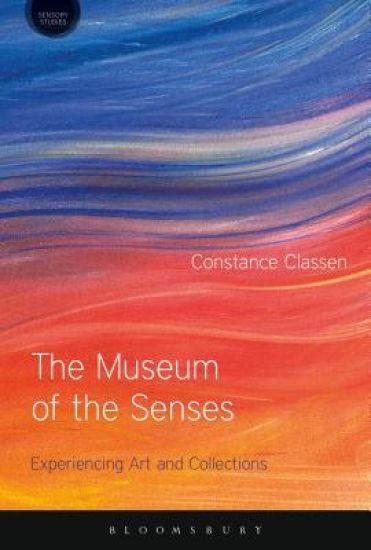
The Museum of the Senses

The Museum of the Senses

Constance Classen

Bloomsbury Academic
2017
sidottu
Traditionally sight has been the only sense with a ticket to enter the museum. The same is true of histories of art, in which artworks are often presented as purely visual objects. In The Museum of the Senses Constance Classen offers a new way of approaching the history of art through the senses, revealing how people used to handle, smell and even taste collection pieces. Topics range from the tactile power of relics to the sensuous allure of cabinets of curiosities, and from the feel of a Rembrandt to the scent of Monet's garden. The book concludes with a discussion of how contemporary museums are stimulating the senses through interactive and multimedia displays. Classen, a leading authority on the cultural history of the senses, has produced a fascinating study of sensual and emotional responses to artefacts from the middle ages to the present. The Museum of the Senses is an important read for anyone interested in the history of art as well as for students and researchers in cultural studies and museum studies.
The Museum of the Senses

The Museum of the Senses

Constance Classen

Bloomsbury Academic
2017
nidottu

Halvin toimitettuna 45,60 €

Traditionally sight has been the only sense with a ticket to enter the museum. The same is true of histories of art, in which artworks are often presented as purely visual objects. In The Museum of the Senses Constance Classen offers a new way of approaching the history of art through the senses, revealing how people used to handle, smell and even taste collection pieces. Topics range from the tactile power of relics to the sensuous allure of cabinets of curiosities, and from the feel of a Rembrandt to the scent of Monet's garden. The book concludes with a discussion of how contemporary museums are stimulating the senses through interactive and multimedia displays. Classen, a leading authority on the cultural history of the senses, has produced a fascinating study of sensual and emotional responses to artefacts from the middle ages to the present. The Museum of the Senses is an important read for anyone interested in the history of art as well as for students and researchers in cultural studies and museum studies.
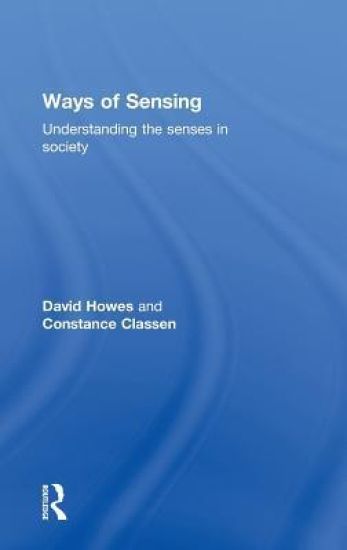
Ways of Sensing

Ways of Sensing

David Howes; Constance Classen

Routledge
2013
sidottu
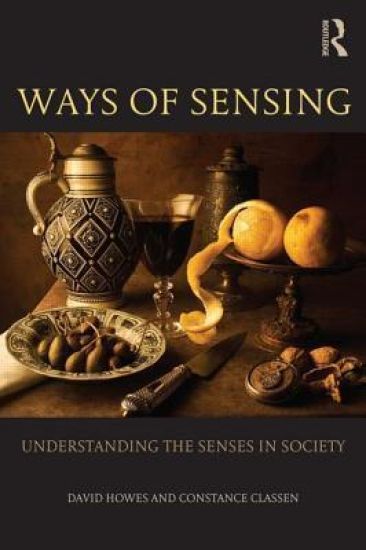
Ways of Sensing is a stimulating exploration of the cultural, historical and political dimensions of the world of the senses. The book spans a wide range of settings and makes comparisons between different cultures and epochs, revealing the power and diversity of sensory expressions across time and space. The chapters reflect on topics such as the tactile appeal of medieval art, the healing power of Navajo sand paintings, the aesthetic blight of the modern hospital, the role of the senses in the courtroom, and the branding of sensations in the marketplace. Howes and Classen consider how political issues such as nationalism, gender equality and the treatment of minority groups are shaped by sensory practices and metaphors. They also reveal how the phenomenon of synaesthesia, or mingling of the senses, can be seen as not simply a neurological condition but a vital cultural mode of creating social and cosmic interconnections. Written by leading scholars in the field, Ways of Sensing provides readers with a valuable and engaging introduction to the life of the senses in society.
Ways of Sensing

Ways of Sensing

David Howes; Constance Classen

Routledge
2013
nidottu
Ways of Sensing is a stimulating exploration of the cultural, historical and political dimensions of the world of the senses. The book spans a wide range of settings and makes comparisons between different cultures and epochs, revealing the power and diversity of sensory expressions across time and space. The chapters reflect on topics such as the tactile appeal of medieval art, the healing power of Navajo sand paintings, the aesthetic blight of the modern hospital, the role of the senses in the courtroom, and the branding of sensations in the marketplace. Howes and Classen consider how political issues such as nationalism, gender equality and the treatment of minority groups are shaped by sensory practices and metaphors. They also reveal how the phenomenon of synaesthesia, or mingling of the senses, can be seen as not simply a neurological condition but a vital cultural mode of creating social and cosmic interconnections. Written by leading scholars in the field, Ways of Sensing provides readers with a valuable and engaging introduction to the life of the senses in society.
The Deepest Sense

The Deepest Sense

Constance Classen

University of Illinois Press
2012
sidottu
From the softest caress to the harshest blow, touch lies at the heart of our experience of the world. Now, for the first time, this deepest of senses is the subject of an extensive historical exploration. The Deepest Sense: A Cultural History of Touch fleshes out our understanding of the past with explorations of lived experiences of embodiment from the middle ages to modernity. This intimate and sensuous approach to history makes it possible to foreground the tactile foundations of Western culture--the ways in which feelings shaped society. Constance Classen explores a variety of tactile realms including the feel of the medieval city; the tactile appeal of relics; the social histories of pain, pleasure, and affection; the bonds of touch between humans and animals; the strenuous excitement of sports such as wrestling and jousting; and the sensuous attractions of consumer culture. She delves into a range of vital issues, from the uses--and prohibitions--of touch in social interaction to the disciplining of the body by the modern state, from the changing feel of the urban landscape to the technologization of touch in modernity. Through poignant descriptions of the healing power of a medieval king's hand or the grueling conditions of a nineteenth-century prison, we find that history, far from being a dry and lifeless subject, touches us to the quick.
The Deepest Sense

The Deepest Sense

Constance Classen

University of Illinois Press
2012
nidottu

Halvin toimitettuna 32,80 €

From the softest caress to the harshest blow, touch lies at the heart of our experience of the world. Now, for the first time, this deepest of senses is the subject of an extensive historical exploration. The Deepest Sense: A Cultural History of Touch fleshes out our understanding of the past with explorations of lived experiences of embodiment from the middle ages to modernity. This intimate and sensuous approach to history makes it possible to foreground the tactile foundations of Western culture--the ways in which feelings shaped society. Constance Classen explores a variety of tactile realms including the feel of the medieval city; the tactile appeal of relics; the social histories of pain, pleasure, and affection; the bonds of touch between humans and animals; the strenuous excitement of sports such as wrestling and jousting; and the sensuous attractions of consumer culture. She delves into a range of vital issues, from the uses--and prohibitions--of touch in social interaction to the disciplining of the body by the modern state, from the changing feel of the urban landscape to the technologization of touch in modernity. Through poignant descriptions of the healing power of a medieval king's hand or the grueling conditions of a nineteenth-century prison, we find that history, far from being a dry and lifeless subject, touches us to the quick.
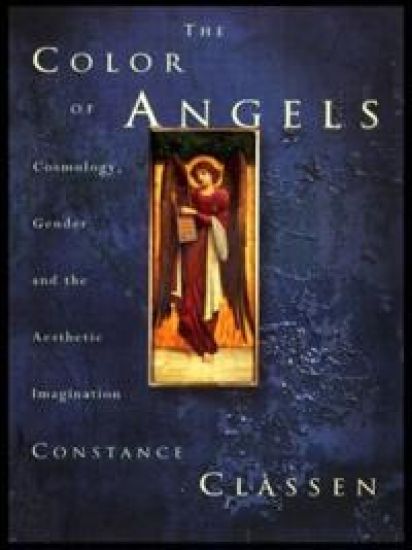
The Colour of Angels

The Colour of Angels

Constance Classen

Routledge
1998
sidottu
The Colour of Angels uncovers the gender politics behind our attitude to the senses. Using a wide variety of examples, ranging from the sensuous religious visions of the middle ages through to nineteenth-century art movements, this book reveals a previously unexplored area of womens history.
The Colour of Angels

The Colour of Angels

Constance Classen

Routledge
1998
nidottu
The Colour of Angels uncovers the gender politics behind our attitude to the senses. Using a wide variety of examples, ranging from the sensuous religious visions of the middle ages through to nineteenth-century art movements, this book reveals a previously unexplored area of womens history.
Aroma

Aroma

Constance Classen; David Howes; Anthony Synnott

Routledge
1994
sidottu
Smell is a social phenomenon, given particular meanings and values by different cultures. Odours form the building blocks of cosmologies, class hierarchies, and political odours. They can enforce social structures or transgress them, unite people or divide them, empower or disempower. The authors argue that the sociology of smell is repressed in the modern West, and its social history ignored. This book breaks the "olfactory silence" of modernity. It offers the first comprehensive exploration of the cultural role of odours in Western history - from antiquity to the present. It also covers a wide variey of non-Western societies. Its topics range from the medieval concept of the "odour of sanctity", to the aromatherapies of South America, and from olfactory stereotypes of gender and ethnicity in the modern West to the role of smell in postmodernity. Its subject matter will fascinate anyone who likes to nose around in the inner workings of culture.