

Kirjailija
Cornelius Van Til
Kirjat ja teokset yhdessä paikassa: 18 kirjaa, julkaisuja vuosilta 2003–2024, suosituimpiin kuuluu The Problem of Evil. Vertaile teosten hintoja ja tarkista saatavuus suomalaisista kirjakaupoista.
18 kirjaa
Kirjojen julkaisuvuodet: 2003–2024.
En este libro Van Til argumenta que, aunque el idealismo y el cristianismo parecen estar aliados, existen diferencias fundamentales entre ellos. El idealismo enfatiza la inmanencia de Dios, mientras que el cristianismo tambi n sostiene la trascendencia. A pesar de la alianza entre ambas corrientes, el autor defiende la fe en el Dios del cristianismo como m s filos ficamente sostenible. Argumenta que la concepci n central de Dios en el te smo cristiano ofrece una unidad posible a la experiencia humana, mientras que el idealismo tiende a abandonar su ideal inicial de encontrar racionalidad completa en la experiencia y se vuelve pragm tico. El autor concluye que la b squeda de la unidad completa en la experiencia justifica la elecci n del cristianismo sobre el idealismo.
The Ten Commandments (1933) by Cornelius Van Til was an unpublished curriculum on Christian ethics taught at Westminster Theological Seminary before the arrival of John Murray. It is a must-read for any Christian seeking to understand God's law, its relevance today, and its necessity for Christian life and witness. In his inimitable style, Cornelius Van Til begins his treatment of the Ten Commandments by reminding us that ethics must be rooted in the being and authority of the God of Scripture. The only alternative, Van Til says, is to base supposed ethical obligations on something other than God, that is, on something finite. Van Til pushes us to question whether ethical obligations or values based on finite authorities, hopes, or motives truly govern ethical behavior in any universally meaningful way. In other words, on this basis, is there something-even actions that may initially seem beautiful or cruel-that is right or wrong? Is there truly good or evil? Van Til's conclusion is clear: ethics must first be about God and His righteousness, or it is about nothing at all.
La Biblioteca C ntaro es una cuidadosa selecci n de cl sicos de la cosmovisi n cristianaLos Diez Mandamientos (1933) de Cornelius Van Til era un plan de estudios in dito sobre tica cristiana ense ado en el Seminario Teol gico Westminster antes de la llegada de John Murray. Es una lectura imprescindible para cualquier cristiano que busque comprender la ley de Dios, su relevancia hoy y su necesidad para la vida y el testimonio cristiano. Con su estilo inimitable, Cornelius Van Til comienza su tratamiento de los Diez Mandamientos record ndonos que la tica debe estar arraigada en el ser y la autoridad del Dios de las Escrituras. La nica alternativa, dice Van Til, es fundamentar las supuestas obligaciones ticas en algo distinto de Dios, es decir, en algo finito. Van Til nos empuja a preguntarnos si las obligaciones o valores ticos que se basan en autoridades, esperanzas o motivos finitos rigen realmente el comportamiento tico de alguna manera universal. Es decir, sobre esta base, hay algo -incluso acciones que inicialmente nos pueden parecer bellas o crueles- que est bien o mal? Hay algo verdaderamente bueno o malo? La conclusi n de Van Til es clara: la tica debe tratar primero de Dios y de su justicia, o no trata de nada en absoluto.
La Biblioteca C ntaro es una cuidadosa selecci n de cl sicos de la cosmovisi n cristianaLos Diez Mandamientos (1933) de Cornelius Van Til era un plan de estudios in dito sobre tica cristiana ense ado en el Seminario Teol gico Westminster antes de la llegada de John Murray. Es una lectura imprescindible para cualquier cristiano que busque comprender la ley de Dios, su relevancia hoy y su necesidad para la vida y el testimonio cristiano. Con su estilo inimitable, Cornelius Van Til comienza su tratamiento de los Diez Mandamientos record ndonos que la tica debe estar arraigada en el ser y la autoridad del Dios de las Escrituras. La nica alternativa, dice Van Til, es fundamentar las supuestas obligaciones ticas en algo distinto de Dios, es decir, en algo finito. Van Til nos empuja a preguntarnos si las obligaciones o valores ticos que se basan en autoridades, esperanzas o motivos finitos rigen realmente el comportamiento tico de alguna manera universal. Es decir, sobre esta base, hay algo -incluso acciones que inicialmente nos pueden parecer bellas o crueles- que est bien o mal? Hay algo verdaderamente bueno o malo? La conclusi n de Van Til es clara: la tica debe tratar primero de Dios y de su justicia, o no trata de nada en absoluto.
The Ten Commandments (1933) by Cornelius Van Til was an unpublished curriculum on Christian ethics taught at Westminster Theological Seminary before the arrival of John Murray. It is a must-read for any Christian seeking to understand God's law, its relevance today, and its necessity for Christian life and witness. In his inimitable style, Cornelius Van Til begins his treatment of the Ten Commandments by reminding us that ethics must be rooted in the being and authority of the God of Scripture. The only alternative, Van Til says, is to base supposed ethical obligations on something other than God, that is, on something finite. Van Til pushes us to question whether ethical obligations or values based on finite authorities, hopes, or motives truly govern ethical behavior in any universally meaningful way. In other words, on this basis, is there something-even actions that may initially seem beautiful or cruel-that is right or wrong? Is there truly good or evil? Van Til's conclusion is clear: ethics must first be about God and His righteousness, or it is about nothing at all.
Usted tiene en sus manos una obra in dita de Cornelius Van Til, prepa-rada aproximadamente en 1933. Van Til adicional a su responsabilidad de ense ar Apolog tica en Westminster Theological Seminary tambi n ten a la responsabilidad de ense ar tica antes de que John Murray (1898-1975) empezara a ense ar esta materia. Adicional al manuscrito hemos agregado una introducci n biogr -fica por un amigo cercano a Van Til, Robert den Dulk (1938-2007). Tambi n decidimos agregar dos ap ndices, un obituario de su muerte y una carta a Francis A. Schaeffer (1912-1984). Esperamos que juntos puedan dar una introducci n al pensamiento de Van Til de manera cer-cana y personal. Para los que conocen sus libros, reconocer n que su lectura no resulta f cil, sin embargo quien persevera en ellos encuentra muchas riquezas. Con su estilo inimitable, Cornelius Van Til comienza su tratamiento de los Diez Mandamientos record ndonos que la tica debe estar arraigada en el ser y la autoridad del Dios de las Escrituras. La nica alternativa, dice Van Til, es fundamentar las supuestas obligaciones ticas en algo distinto de Dios, es decir, en algo finito. Van Til nos empuja a preguntarnos si las obligaciones o valores ticos que se basan en autoridades, esperanzas o motivos finitos rigen realmente el comportamiento tico de alguna manera universal. Es decir, sobre esta base, hay algo -incluso acciones que inicialmente nos pueden parecer bellas o crueles- que est bien o mal? Hay algo verdaderamente bueno o malo? La conclusi n de Van Til es clara: la tica debe tratar primero de Dios y de su justicia, o no trata de nada en absoluto.
"Olemme olleet niin huolestuneita siitä, että loukkantuisit, että olemme loukkanneet omaa Jumalaamme. Mutta me emme enää uskalla esitellä Jumalaamme sinulle pienempänä tai vähempää vaativana kuin Hän todellisuudessa on. Hän haluaa, että hänet esitettäisiin kaiken säätäjänä ja perustana, jolla jopa niiden, jotka kieltävät Hänet, on seisottava."

Christian Theistic Evidences
Cornelius Van Til
P R Publishing Co (Presbyterian Reformed)
2016
nidottu
In this retypeset syllabus for Van Til's Christian Evidences class, he argues for the defense of a full-fledged Christianity, unadulterated by a scientific methodology based on non-Christian assumptions. Instead, he offers a Christian philosophy and methodology for defending the faith that starts with the absolute authority of the triune God. Edited and annotated by K. Scott Oliphint.
Barth's Christology: International Library of Philosophy and Theology, Biblical and Theological Studies
Cornelius Van Til; Marcellus J. Kik
Literary Licensing, LLC
2011
nidottu
Apologetics by Cornelius Van Til is a comprehensive guide to Christian apologetics, which is the defense of the Christian faith against objections and criticisms. Van Til, a prominent Reformed theologian and philosopher, presents a unique approach to apologetics that emphasizes the presuppositions and worldview of the Christian faith. He argues that all human thought is based on presuppositions, and that the Christian worldview provides the only coherent foundation for rational thought and meaningful life. The book is divided into three parts. In the first part, Van Til lays out the basic principles of his apologetic approach, including the concept of antithesis, the transcendental argument, and the role of the Holy Spirit in apologetics. In the second part, he applies these principles to specific areas of apologetics, such as the problem of evil, the reliability of the Bible, and the existence of God. In the third part, he addresses objections to his approach and offers a defense of his methodology. Throughout the book, Van Til draws on his extensive knowledge of philosophy, theology, and history to support his arguments. He engages with a wide range of thinkers, from ancient philosophers to modern skeptics, and offers a compelling case for the truth of the Christian faith. Apologetics is a challenging but rewarding read for anyone interested in defending the Christian faith in the modern world. This scarce antiquarian book is a facsimile reprint of the old original and may contain some imperfections such as library marks and notations. Because we believe this work is culturally important, we have made it available as part of our commitment for protecting, preserving, and promoting the world's literature in affordable, high quality, modern editions, that are true to their original work.
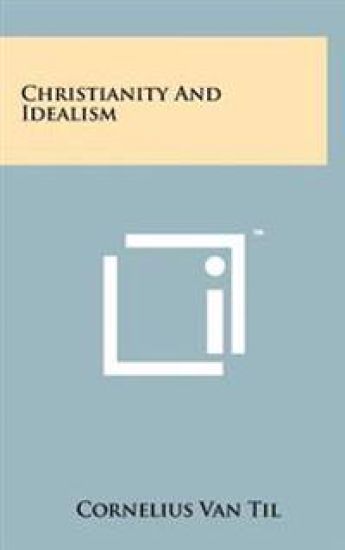
""Christianity and Idealism"" is a book written by Cornelius Van Til that explores the relationship between Christianity and idealism. Van Til argues that idealism, which emphasizes the importance of ideas and concepts, is not sufficient on its own to provide a complete understanding of reality. He asserts that only Christianity, with its belief in a personal God who created the universe and sustains it, can provide a truly comprehensive worldview. The book delves into the philosophical and theological concepts of idealism and Christianity, and how they intersect and differ. Van Til also examines the implications of these ideas for ethics and morality. Overall, ""Christianity and Idealism"" offers a thought-provoking analysis of the relationship between two major intellectual traditions and their relevance to contemporary debates. This scarce antiquarian book is a facsimile reprint of the old original and may contain some imperfections such as library marks and notations. Because we believe this work is culturally important, we have made it available as part of our commitment for protecting, preserving, and promoting the world's literature in affordable, high quality, modern editions, that are true to their original work.
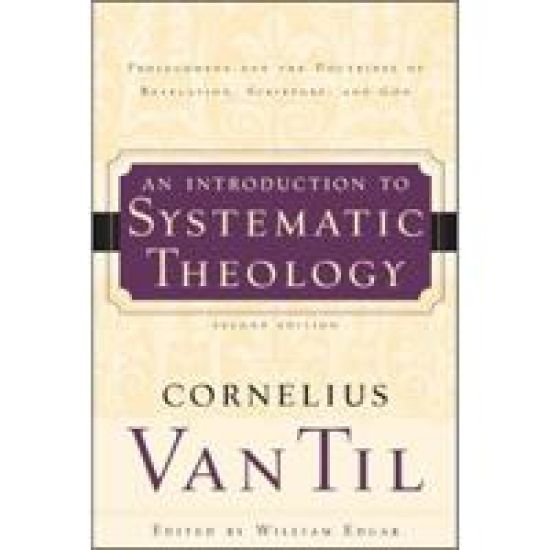
Introduction to Systematic Theology, An
Cornelius Van Til
P R Publishing Co (Presbyterian Reformed)
2007
nidottu
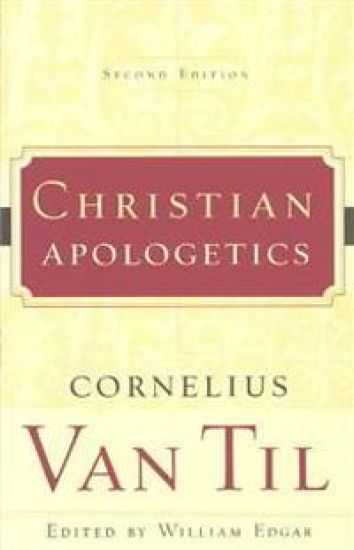
Christian Apologetics 2nd Edition
Cornelius Van Til
P R Publishing Co (Presbyterian Reformed)
2003
nidottu