Kirjojen hintavertailu – 12 859 818 kirjaa ja 27 kauppaa

Kirjailija

Craig Hammond

Kirjat ja teokset yhdessä paikassa: 3 kirjaa, julkaisuja vuosilta 2018–2026, suosituimpiin kuuluu The Cinema of Nuri Bilge Ceylan. Vertaile teosten hintoja ja tarkista saatavuus suomalaisista kirjakaupoista.

3 kirjaa

Kirjojen julkaisuvuodet: 2018–2026.

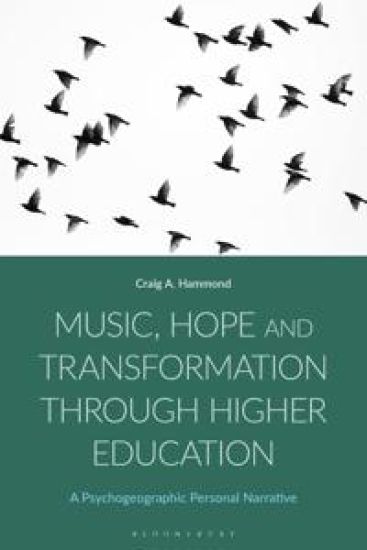
Music, Hope and Transformation through Higher Education

Music, Hope and Transformation through Higher Education

Craig Hammond

BLOOMSBURY PUBLISHING PLC
2026
sidottu
This is a creative work of psychogeography, theory and autoethnography, which offers a unique insight into the personal world of music-meaning-making, working-class heritage, and the transformation of identity through a life-long obsession with aeroplanes and flight. Combined, these aspects articulate a progressive journey of transformation through informal learning and higher education, exploring personal progression through the narrative techniques of life-writing and innovative theory work. The book provides readers with a sequence of intimate and informative provocations through memory and imagination. Shaped around the experience of a car journey (as part of a commute to work), the book invites readers to explore a chaos of memories – provoked by a range of songs encountered as part of a playlist, which emerge as part of a compelling analysis of music, the symbolism of flight, and educative hope. Through a combination of storytelling and scholarly analysis, the book utilises cultural theory, process philosophy, and biography and invites readers to adapt and incorporate the concepts and psychogeographic techniques for creative student engagements as part of curricular and assessment practices.
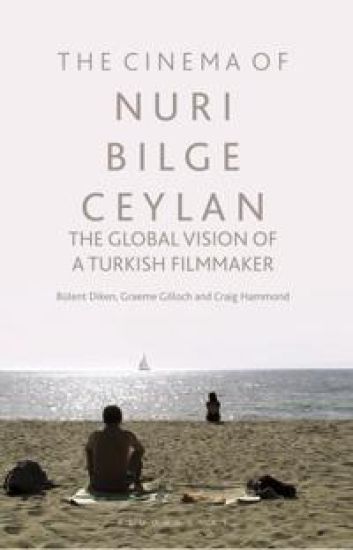
The Cinema of Nuri Bilge Ceylan

The Cinema of Nuri Bilge Ceylan

Bülent Diken; Graeme Gilloch; Craig Hammond

BLOOMSBURY PUBLISHING PLC
2022
nidottu
Film maker Nuri Bilge Ceylan's meditative, visually stunning contributions to the 'New Turkish Cinema' have marked him out as a pioneer of his medium. Reaping success from his prize-winning, breakout film Uzak (2002), and from later festival favourites Once Upon a Time in Anatolia (2011) and Winter Sleep (2014), he has quickly established himself as an original and provocative writer, director and producer of 21st century cinema. In an age where Turkey's modernisation has created societal tensions and departures from past tradition, Ceylan's films present a cinema of dislocation and a vision of 'nostalgia' understood as homesickness: sick of being away from home; sick of being at home. This book offers an overdue study of Ceylan's work and a critical examination of the principle themes therein. In particular, chapters focus on time and space, melancholy and loneliness, absence, rural and urban experience, and notions of paradox, as explored through films which are often slow and uncompromising in their pessimistic outlook. Moving on from the tendency to situate Ceylan's oeuvre exclusively within the canon of 'New Turkish Cinema', one of this book's major achievements is also to assess the influence of classic European thought, literature and film and how such a notably minimal - and in many ways nationally-specific - approach translates to an increasingly transnational context for film. This will prove an important book for film students and scholars, and those interested in Turkish visual culture.
The Cinema of Nuri Bilge Ceylan

The Cinema of Nuri Bilge Ceylan

Bülent Diken; Graeme Gilloch; Craig Hammond

I.B. Tauris
2018
sidottu
Film maker Nuri Bilge Ceylan's meditative, visually stunning contributions to the 'New Turkish Cinema' have marked him out as a pioneer of his medium. Reaping success from his prize-winning, breakout film Uzak (2002), and from later festival favourites Once Upon a Time in Anatolia (2011) and Winter Sleep (2014), he has quickly established himself as an original and provocative writer, director and producer of 21st century cinema. In an age where Turkey's modernisation has created societal tensions and departures from past tradition, Ceylan's films present a cinema of dislocation and a vision of 'nostalgia' understood as homesickness: sick of being away from home; sick of being at home. This book offers an overdue study of Ceylan's work and a critical examination of the principle themes therein. In particular, chapters focus on time and space, melancholy and loneliness, absence, rural and urban experience, and notions of paradox, as explored through films which are often slow and uncompromising in their pessimistic outlook. Moving on from the tendency to situate Ceylan's oeuvre exclusively within the canon of 'New Turkish Cinema', one of this book's major achievements is also to assess the influence of classic European thought, literature and film and how such a notably minimal - and in many ways nationally-specific - approach translates to an increasingly transnational context for film. This will prove an important book for film students and scholars, and those interested in Turkish visual culture.