Kirjojen hintavertailu – 12 859 819 kirjaa ja 27 kauppaa

Kirjailija

Curtis Wilkie

Kirjat ja teokset yhdessä paikassa: 5 kirjaa, julkaisuja vuosilta 2014–2022, suosituimpiin kuuluu When Evil Lived in Laurel: The White Knights and the Murder of Vernon Dahmer. Vertaile teosten hintoja ja tarkista saatavuus suomalaisista kirjakaupoista.

5 kirjaa

Kirjojen julkaisuvuodet: 2014–2022.

When Evil Lived in Laurel: The White Knights and the Murder of Vernon Dahmer
By early 1966, the work of Vernon Dahmer was well known in south Mississippi. A light-skinned Black man, he was a farmer, grocery store owner, and two-time president of the Forrest County chapter of the NAACP. He and Medgar Evers founded a youth NAACP chapter in Hattiesburg, and for years after Evers's assassination Dahmer was the chief advocate for voting rights in a county where Black registration was shamelessly suppressed. This put Dahmer in the crosshairs of the White Knights, with headquarters in nearby Laurel. Already known as one of the most violent sects of the KKK in the South, the group carried out his murder in a raid that burned down his home and store. A year before, Tom Landrum, a young, unassuming member of a family with deep Mississippi roots, joined the Klan to become an FBI informant. He penetrated the White Knights' secret circles, recording almost daily journal entries. He risked his life, and the safety of his young family, to chronicle extensively the clandestine activities of the Klan. Veteran journalist Curtis Wilkie draws on his exclusive access to Landrum's journals to re-create these events--the conversations, the incendiary nighttime meetings, the plans leading up to Dahmer's murder and its erratic execution--culminating in the conviction and imprisonment of many of those responsible for Dahmer's death. In riveting detail, When Evil Lived in Laurel plumbs the nature and harrowing consequences of institutional racism, and brings fresh light to this chapter in the history of civil rights in the South--one with urgent implications for today.
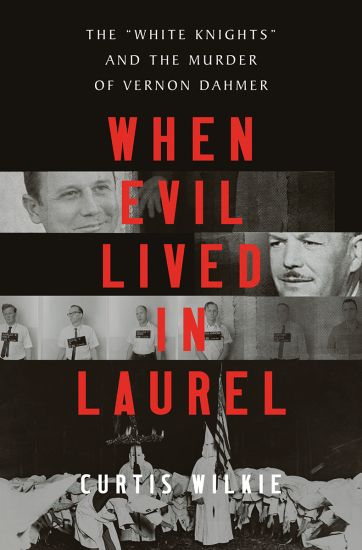
When Evil Lived in Laurel: The White Knights and the Murder of Vernon Dahmer
By early 1966, the work of Vernon Dahmer was well known in south Mississippi. A light-skinned Black man, he was a farmer, grocery store owner, and two-time president of the Forrest County chapter of the NAACP. He and Medgar Evers founded a youth NAACP chapter in Hattiesburg, and for years after Evers's assassination Dahmer was the chief advocate for voting rights in a county where Black registration was shamelessly suppressed. This put Dahmer in the crosshairs of the White Knights, with headquarters in nearby Laurel. Already known as one of the most violent sects of the KKK in the South, the group carried out his murder in a raid that burned down his home and store. A year before, Tom Landrum, a young, unassuming member of a family with deep Mississippi roots, joined the Klan to become an FBI informant. He penetrated the White Knights' secret circles, recording almost daily journal entries. He risked his life, and the safety of his young family, to chronicle extensively the clandestine activities of the Klan. Veteran journalist Curtis Wilkie draws on his exclusive access to Landrum's journals to re-create these events--the conversations, the incendiary nighttime meetings, the plans leading up to Dahmer's murder and its erratic execution--culminating in the conviction and imprisonment of many of those responsible for Dahmer's death. In riveting detail, When Evil Lived in Laurel plumbs the nature and harrowing consequences of institutional racism, and brings fresh light to this chapter in the history of civil rights in the South--one with urgent implications for today.
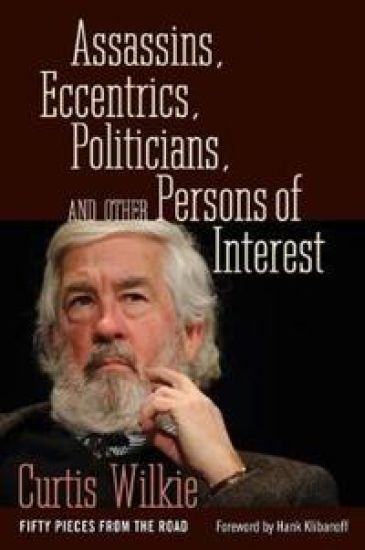
Assassins, Eccentrics, Politicians, and Other Persons of Interest

Assassins, Eccentrics, Politicians, and Other Persons of Interest

Curtis Wilkie; Hank Klibanoff

University Press of Mississippi
2014
sidottu
Writing as a newspaper reporter for nearly forty years, Curtis Wilkie covered eight presidential campaigns, spent years in the Middle East, and traveled to a number of conflicts abroad. However, his memory keeps turning home and many of his most treasured stories transpire in the Deep South. He called his native Mississippi, ""the gift that keeps on giving."" For Wilkie, it represented a trove of rogues and racists, colorful personalities and outlandish politicians who managed to thrive among people otherwise kind and generous. Assassins, Eccentrics, Politicians, and Other Persons of Interest collects news dispatches and feature stories from the author during a journalism career that began in 1963 and lasted until 2000. As a young reporter for the Clarksdale Press Register, he wrote many articles that dealt with the civil rights movement, which dominated the news in the Mississippi Delta during the 1960s. Wilkie spent twenty-six years as a national and foreign correspondent for the Boston Globe. One of the original ""Boys on the Bus"" (the title of a best-selling book about journalists covering the 1972 presidential campaign), he later wrote extensively about the winning races of two southern Presidents, Jimmy Carter and Bill Clinton. Wilkie is known for stories reported deeply, rife with anecdotes, physical descriptions, and important background details. He writes about the notorious, such as the late Hunter S. Thompson, as well as more anonymous subjects whose stories, in his hands, have enduring interest. The anthology collects pieces about several notable southerners: Ross Barnett; Byron De La Beckwith and Sam Bowers; Billy Carter; Edwin Edwards and David Duke; Trent Lott; and Charles Evers. Wilkie brings a perceptive eye to people and events, and his eloquent storytelling represents some of the best journalistic writing.
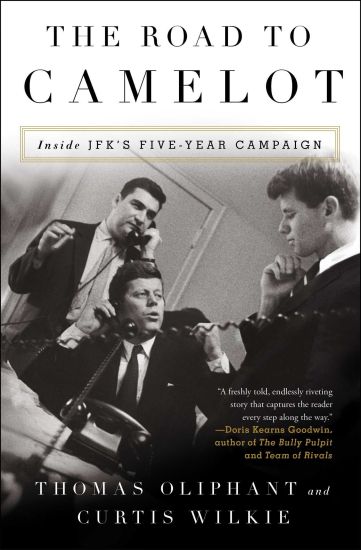
The Road to Camelot: Inside JFK's Five-Year Campaign

The Road to Camelot: Inside JFK's Five-Year Campaign

Thomas Oliphant; Curtis Wilkie

SIMON SCHUSTER
2018
nidottu
A "provocative reconstruction of John F. Kennedy's 'five-year campaign' for the White House" (The New Yorker), beginning with his bold, failed attempt to win the vice presidential nomination in 1956 and culminating when he plotted his way to the presidency and changed the way we nominate and elect presidents. John F. Kennedy and his young warriors invented modern presidential politics. They turned over accepted wisdom that his Catholicism was a barrier to winning an election. They hired Louis Harris to become the first presidential pollster. They twisted arms and they charmed. They turned the traditional party inside out. They invented The Missile Gap in the Cold War and out-glamoured Richard Nixon in the TV debates. Now "Thomas Oliphant and Curtis Wilkie, both veteran political journalists, retell the story of this momentous campaign, reminding us of now forgotten details of Kennedy's path to the White House" (The Wall Street Journal). The authors have examined more than 1,600 oral histories at the John F. Kennedy library; they've interviewed surviving sources, including JFK's sister Jean Smith, and they draw on their own interviews with insiders including Ted Sorensen and Arthur Schlesinger, Jr. From the start of the campaign in 1955, "The Road to Camelot brings much new insight to an important playbook that has echoed through the campaigns of other presidential aspirants as disparate as Barack Obama and Donald Trump. The authors take us step by step on the road to the Kennedy victory, leaving us with an appreciation for the maniacal attention to detail of both the candidate and his brother Robert, the best campaign manager in American political history" (The Washington Post). "A must-read for fans of presidential history" (USA TODAY), this is "an excellent chronicle of JFK's innovations, his true personality, and how close he came to losing" (Kirkus Reviews, starred review).
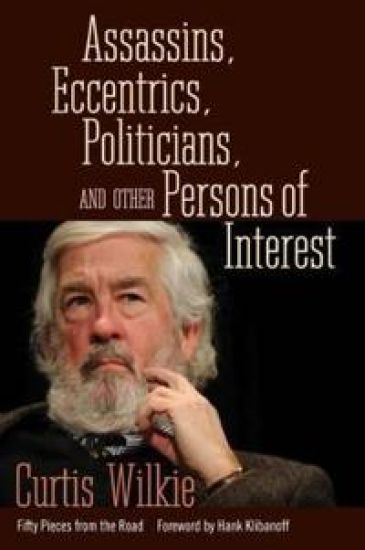
Assassins, Eccentrics, Politicians, and Other Persons of Interest

Assassins, Eccentrics, Politicians, and Other Persons of Interest

Curtis Wilkie; Hank Klibanoff

University Press of Mississippi
2016
nidottu
Writing as a newspaper reporter for nearly forty years, Curtis Wilkie covered eight presidential campaigns, spent years in the Middle East, and traveled to a number of conflicts abroad. However, his memory keeps turning home and many of his most treasured stories transpire in the Deep South. He called his native Mississippi, ""the gift that keeps on giving."" For Wilkie, it represented a trove of rogues and racists, colorful personalities and outlandish politicians who managed to thrive among people otherwise kind and generous. Assassins, Eccentrics, Politicians, and Other Persons of Interest collects news dispatches and feature stories from the author during a journalism career that began in 1963 and lasted until 2000. As a young reporter for the Clarksdale Press Register, he wrote many articles that dealt with the civil rights movement, which dominated the news in the Mississippi Delta during the 1960s. Wilkie spent twenty-six years as a national and foreign correspondent for the Boston Globe. One of the original ""Boys on the Bus"" (the title of a best-selling book about journalists covering the 1972 presidential campaign), he later wrote extensively about the winning races of two southern Presidents, Jimmy Carter and Bill Clinton. Wilkie is known for stories reported deeply, rife with anecdotes, physical descriptions, and important background details. He writes about the notorious, such as the late Hunter S. Thompson, as well as more anonymous subjects whose stories, in his hands, have enduring interest. The anthology collects pieces about several notable southerners: Ross Barnett; Byron De La Beckwith and Sam Bowers; Billy Carter; Edwin Edwards and David Duke; Trent Lott; and Charles Evers. Wilkie brings a perceptive eye to people and events, and his eloquent storytelling represents some of the best journalistic writing.