Kirjojen hintavertailu – 12 903 725 kirjaa ja 27 kauppaa
Kirjailija
Curzio Malaparte
Kirjat ja teokset yhdessä paikassa: 12 kirjaa, julkaisuja vuosilta 1988–2024, suosituimpiin kuuluu Coppi og Bartali. Vertaile teosten hintoja ja tarkista saatavuus suomalaisista kirjakaupoista.
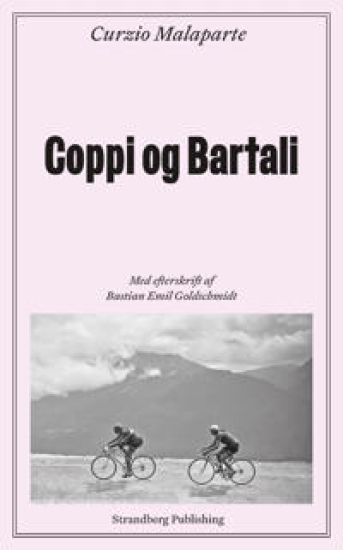
”Der er blod i Ginos årer. I Faustos er der benzin.” Rivaliseringen mellem de to cykelhelte Fausto Coppi og Gino Bartali antager episke dimensioner i essayet fra 1949 af den italienske forfatter og krigskorrespondent Curzio Malaparte (1898-1957). Hans skarpe prosa tager læseren med ind i hjertet af cykelsporten, og den berømte duel bliver et billede på kløften mellem tro og rationale, tradition og udvikling i Europa i tiden omkring Anden Verdenskrig. Forfatter og cykelkommentator Bastian Emil Goldschmidt (f. 1992) bidrager med et nyt efterord, der tilføjer moderne perspektiver og dybere forståelse af Malapartes essay.
Det er skrevet mange bøker om krigene på 1900-tallet, men ikke mange mesterverk. En av krigslitteraturens moderne klassikere er Curzio Malapartes Kaputt. Denne både grusomme og vakre boken bygger i hovedsak på de erfaringene Curzio Malaparte gjorde som krigskorrespondent under andre verdenskrig. Som italiensk statsborger og dermed medlem av Aksemakten, fikk Malaparte en unik mulighet til å følge den tyske krigsmaskinens fremferd. Malaparte reiste langs Østfronten på oppdrag for en italiensk avis, og skrev boken i hemmelighet underveis. Vi følger ham i fråtsende middagsselskaper med tyske offiserer, og blant utsultede og døde i sønderbombede landsbyer. Malaparte synes å oppsøke fare og fest med samme appetitt, og med samme litterære brodd. Kaputt ble første gang utgitt i Italia i 1944, og ble en umiddelbar internasjonal bestselger etter krigen. Den kom første gang på norsk i 1948, men har lenge vært et glemt, men urovekkende kapittel i beretningen om et av forrige århundres største menneskelige katastrofer. «Kaputt er en trist, forbløffende, skremmende og lyrisk bok. Den viser oss resultatet av ideologisk fanatisme, rasisme, forskrudde verdier forkledd som åndelig renhet, og hat overfor livet, i deres mest personlige og skammelige former. Den er essensiell for en hver menneskelig forståelse av den andre verdenskrig.» - Margaret Atwood «En skruppelløs reporter? Antakelig ikke. En av de mest bemerkelsesverdige forfatterne i det 20. århundre? Definitivt.» - Ian Buruma Curzio Malaparte (psevdonym for Kurt Erich Suckert, 1898-1957) var en italiensk journalist og forfatter. Han var tidlig en støttespiller for det italienske fascistregimet, men dreide politisk stadig lenger mot venstre og måtte flere ganger i fengsel etter å ha tirret på seg Mussolinis vrede som en svært frittalende offentlig figur utover på 30-tallet. Før han døde i 1957 testamenterte han sitt praktfulle hus bygget på klippene av Capri, Casa Malaparte, til Mao og Folkerepubliken Kina.
Experience postwar Europe through the diary of a fascinating and witty twentieth-century writer and artist. Recording his travels in France and Switzerland, Curzio Malaparte encounters famous figures such as Cocteau and Camus and captures the fraught, restless spirit of Paris after the trauma of war. In 1947 Curzio Malaparte returned to Paris for the first time in fourteen years. In between, he had been condemned by Mussolini to five years in exile and, on release, repeatedly imprisoned. In his intervals of freedom, he had been dispatched as a journalist to the Eastern Front of World War II, and though many of his reports from the bloodlands of Poland and Ukraine were censored, his experiences there became the basis for his unclassifiable postwar masterpiece and international bestseller, Kaputt. Now, returning to the one country that had always treated him well, the one country he had always loved, he was something of a star, albeit one that shines with a dusky and disturbing light. The journal he kept while in Paris and continued to maintain on travels in France and Switzerland records a range of meetings with remarkable people -- Cocteau and a dourly unwelcoming Camus among them -- and is full of Malaparte's characteristically barbed reflections on the temper of the time. If France, the country of liberty and culture, was, Malaparte insisted, his spiritual homeland, postwar France, demoralized and moralizing, making up for its disgrace by a fit of existential priggishness, seemed to betray the very spirit of independence that had made her great. But Malaparte was nothing if not a master of irony, and his journal is perfect model of ambiguous reserve as well as humorous self-exposure. There is, for example, Malaparte's curious custom of sitting out at night and barking along with the neighborhood dogs -- dogs, after all, were his only friends when in exile. The French find it puzzling, to say the least; when it comes to Switzerland, it is grounds for prosecution
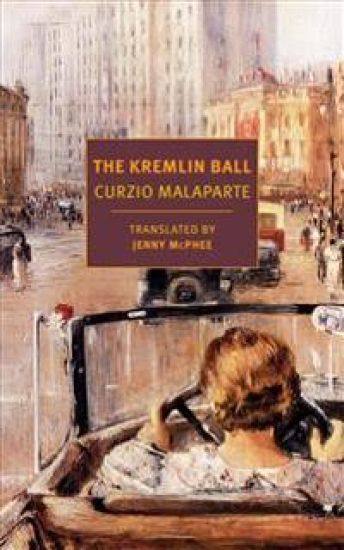
A perverse and delicious tell-all view of the Soviet elite in the 1920s. Perhaps only the impeccably perverse imagination of Curzio Malaparte could have conceived of The Kremlin Ball, which might be described as Proust in the corridors of Soviet power. Malaparte began this impertinent portrait of Russia's Marxist aristocracy while he was working on The Skin, his story of American-occupied Naples, and after publishing Kaputt, his depiction of Europe in the hands of the Axis, thinking of this book as a another "picture of the truth" and a third panel in a great composition depicting the decadence of twentieth-century Europe. The book is set at the end of the 1920s, when the great terror may have been nothing more than a twinkle in Stalin's eye, but when the revolution was accompanied by a growing sense of doom. In Malaparte's vision it is from his nightly opera box, rather than the Kremlin, that Stalin surveys Soviet high society, its scandals and amours and intrigues among beauties and bureaucrats, including legendary ballerina Marina Semyonova and Olga Kameneva, sister of the exiled Trotsky, who though a powerful politician is so consumed by dread that everywhere she goes she gives off a smell of rotting meat. Unfinished at the time of Malaparte's death, this extraordinary court chronicle of Communist life (for which Malaparte also contemplated the title God is a Killer) was only published posthumously in Italy over fifty years after Malaparte's death and appears in English now for the first time ever.
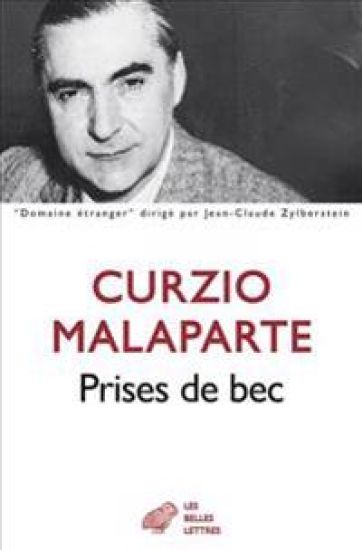
On connait le Curzio Malaparte grand romancier du second conflit mondial, avec Kaputt et La Peau, on sait moins qu'il fut tout au long de sa vie un journaliste prompt a la Prise de bec. Dans ces chroniques hebdomadaires publiees de 1953 jusqu'a sa mort en 1957, Malaparte observateur acere de l'Europe d'apres-guerre, s'engage dans la denonciation des blessures mal refermees du conflit, des signes persistants du fascisme et des fausses promesses du miracle economique avec autant de talent et de vehemence que dans ses romans et dans ses essais. La paix europeenne, et toutes les contradictions qui l'animent, devient un materiau de choix pour le polemiste infatigable. Dans un climat culturel verrouille par la guerre froide naissante et par la fin de l'unite antifasciste de l'immediat apres-guerre, le ton a la fois badin et mordant, irreverencieux et truculent, toujours prompt a ferrailler contre la rhetorique et l'histoire officielle a fait l'effet d'une bombe. On retrouve dans ces Prises de bec le Malaparte combattant et visionnaire, pourfendeur des duperies et de l'impunite de la classe dirigeante. C'est ce Malaparte-la, populaire et intime au crepuscule de sa vie, qui rencontra aupres des Italiens son plus grand succes.
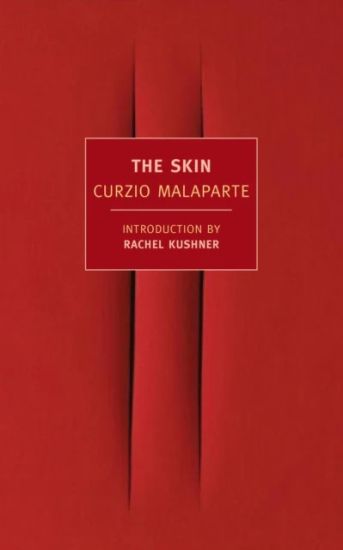
This is the first unexpurgated English edition of Curzio Malaparte's legendary work The Skin. The book begins in 1943, with Allied forces cementing their grip on the devastated city of Naples. The sometime Fascist and ever-resourceful Curzio Malaparte is working with the Americans as a liaison officer. He looks after Colonel Jack Hamilton, "a Christian gentleman . . . an American in the noblest sense of the word," who speaks French and cites the classics and holds his nose as the two men tour the squalid streets of a city in ruins where liberation is only another word for desperation. Veterans of the disbanded Italian army beg for work. A rare specimen from the city's famous aquarium is served up at a ceremonial dinner for high Allied officers. Prostitution is rampant. The smell of death is everywhere. Subtle, cynical, evasive, manipulative, unnerving, always astonishing, Malaparte is a supreme artist of the unreliable, both the product and the prophet of a world gone rotten to the core.
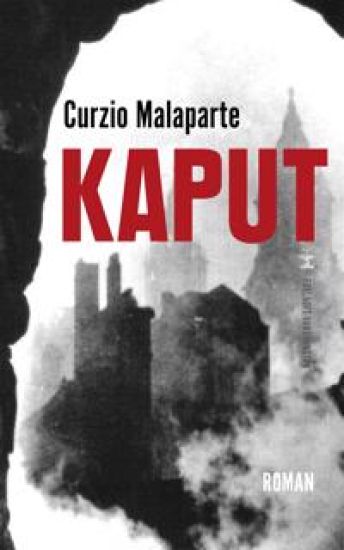
Curzio Malapartes roman Kaput udkom i Italien i 1943/44 som den første skildring af krigen på Østfronten. Malaparte kunne som aristokrat og barndomsven af flere ledende italienske fascister færdes frit over hele Europa og følge fronten fra Rumænien til Murmansk. Ingen, der har læst romanen, kan nogensinde glemme dyrene: fuglene i Ukraine, hundene med granatchok og de frosne heste i Ladogasøen. Skildringen af dem er den kulisse, hvor mordene er det dagligdags, afbrudt af samtaler om krigen med Prins Eugen på Waldemarsudde, Axel Munthe på Capri, generalguvernør Franck i Warszawa og den italienske konsul i Rumænien. Kaput er et værk, der næppe nogensinde vil blive gjort efter.
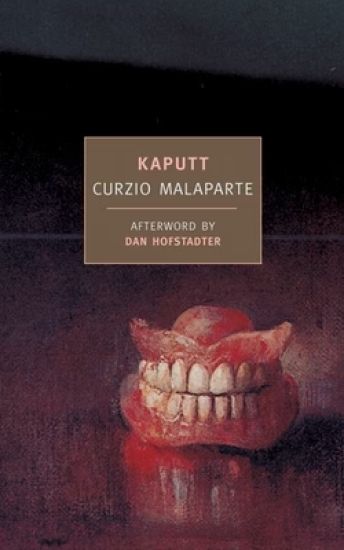
Curzio Malaparte was a disaffected supporter of Mussolini with a taste for danger and high living. Sent by an Italian paper during World War II to cover the fighting on the Eastern Front, Malaparte secretly wrote this terrifying report from the abyss, which became an international bestseller when it was published after the war. Telling of the siege of Leningrad, of glittering dinner parties with Nazi leaders, and of trains disgorging bodies in war-devastated Romania, Malaparte paints a picture of humanity at its most depraved. Kaputt is an insider's dispatch from the world of the enemy that is as hypnotically fascinating as it is disturbing.