Kirjojen hintavertailu – 12 903 725 kirjaa ja 27 kauppaa

Kirjailija

Dagmar Wujastyk

Kirjat ja teokset yhdessä paikassa: 3 kirjaa, julkaisuja vuosilta 2012–2025, suosituimpiin kuuluu Alkemins historia: inverkan på kultur, vetenskap och samhälle. Vertaile teosten hintoja ja tarkista saatavuus suomalaisista kirjakaupoista.

3 kirjaa

Kirjojen julkaisuvuodet: 2012–2025.

Alkemins historia: inverkan på kultur, vetenskap och samhälle

Alkemins historia: inverkan på kultur, vetenskap och samhälle

Dagmar Wujastyk; Andreas Winkler; Cristina Viano; Salam Rassi; Fabrizio Pregadio; Christopher McIntosh; John MacMurphy; Mark S. Morrisson; Georgiana D Hedesan; Mattias Fyhr; Peter J. Forshaw; Hjalmar Fors; Per Faxneld; Tobias Churton; Kurt Almqvist

Bokförlaget Stolpe
2025
sidottu
Alkemins etymologiska rötter återfinns både i de arabiska och grekiska språken, och syftar på den process av transmutation som leder till en fullständig återförening med den gudomliga ursprungsformen. Dock sträcker sig det esoteriska utövandet av alkemi ända till Indien och Kina och har praktiserats åtminstone sedan 300-talet. Under medeltiden lockade alkemi många av tidens mest framstående lärda. Starkt influerade av den klassiska elementläran drev alkemisterna sina hypoteser utifrån Aristoteles idé att allt går att skapa genom olika proportioner av de fyra elementen. Från 1800-talet och framåt har alkemin felaktigt reducerats till en primitiv pseudovetenskap med det enda målet att omvandla oädla metaller till guld. Denna snäva tolkning bortser dock från alkemins verkliga komplexitet och ignorerar dess djupa filosofiska och religiösa aspekter, samt dess avgörande bidrag till kemins framväxt. I denna rikt illustrerade antologi presenteras en mångfald av perspektiv på hur ömsesidighet, metafysiska kopplingar och relationen mellan makrokosmos och mikrokosmos utgör kärnan i alkemins filosofi. Några av världens mest framstående forskare och akademiker samlas för att analysera den alkemistiska världsbilden och utforska hur esoteriska tankeströmningar har format kultur, samhälle och vetenskap. Boken finns även i engelsk utgåva.
Well-Mannered Medicine

Well-Mannered Medicine

Dagmar Wujastyk

Oxford University Press Inc
2012
nidottu
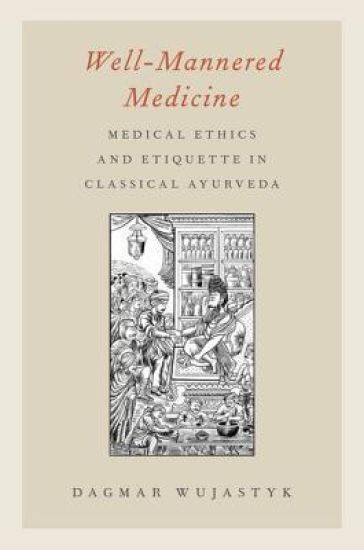
Dagmar Wujastyk explores the moral discourses on the practice of medicine in the foundational texts of Ayurveda. The classical ayurvedic treatises were composed in Sanskrit between the first and the fifth centuries CE, and the later works, dating into the sixteenth century CE, were still considered strongly authoritative. As Wujastyk shows, these works testify to an elaborate system of medical ethics and etiquette. Physicians looked to the ayurvedic treatises for a guide to professional conduct. Ayurvedic discourses on good medical practice depict the physician as highly-educated, skilled, moral, and well-mannered. The rules of conduct positioned physicians within mainstream society's and characterized medical practice as a trustworthy and socially acceptable profession. At the same time, professional success was largely based on a particular physician's ability to cure his patients. This resulted in tension, as some treatments and medications were considered socially or religiously unacceptable. Doctors needed to treat their patients successfully while ostensibly following the rules of acceptable behavior. Wujastyk offers insight into the many unorthodox methods of avoiding conflict while ensuring patient compliance shown in the ayurvedic treatises, giving a disarmingly candid perspective on the realities of medical practice and its crucial role in a profoundly well-mannered society.
Well-Mannered Medicine

Well-Mannered Medicine

Dagmar Wujastyk

Oxford University Press Inc
2012
sidottu
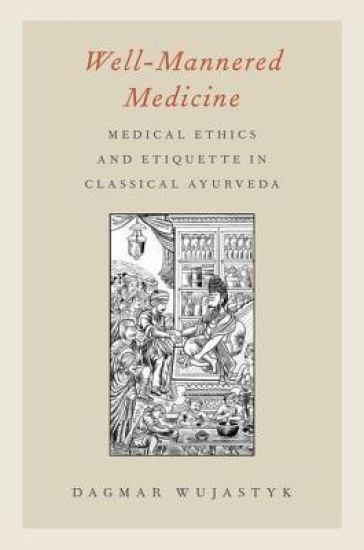
Dagmar Wujastyk explores the moral discourses on the practice of medicine in the foundational texts of Ayurveda. The classical ayurvedic treatises were composed in Sanskrit between the first and the fifth centuries CE, and the later works, dating into the sixteenth century CE, were still considered strongly authoritative. As Wujastyk shows, these works testify to an elaborate system of medical ethics and etiquette. Physicians looked to the ayurvedic treatises for a guide to professional conduct. Ayurvedic discourses on good medical practice depict the physician as highly-educated, skilled, moral, and well-mannered. The rules of conduct positioned physicians within mainstream society's and characterized medical practice as a trustworthy and socially acceptable profession. At the same time, professional success was largely based on a particular physician's ability to cure his patients. This resulted in tension, as some treatments and medications were considered socially or religiously unacceptable. Doctors needed to treat their patients successfully while ostensibly following the rules of acceptable behavior. Wujastyk offers insight into the many unorthodox methods of avoiding conflict while ensuring patient compliance shown in the ayurvedic treatises, giving a disarmingly candid perspective on the realities of medical practice and its crucial role in a profoundly well-mannered society.