Kirjojen hintavertailu – 12 903 725 kirjaa ja 27 kauppaa

Kirjailija

Damon Murray

Kirjat ja teokset yhdessä paikassa: 5 kirjaa, julkaisuja vuosilta 2010–2024, suosituimpiin kuuluu Russian Criminal Playing Cards. Vertaile teosten hintoja ja tarkista saatavuus suomalaisista kirjakaupoista.

5 kirjaa

Kirjojen julkaisuvuodet: 2010–2024.

Chess Players

Chess Players

Dylan Loeb McClain; Damon Murray; Stephen Sorrell

Fuel Publishing
2024
sidottu
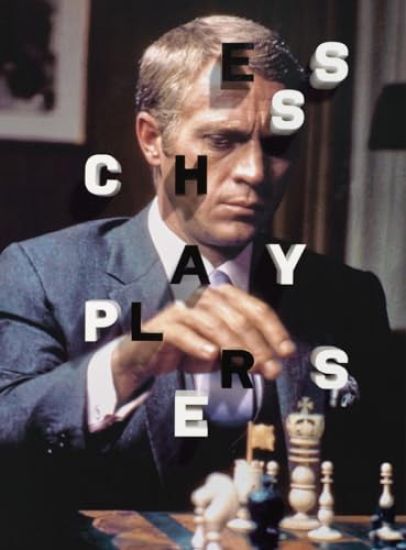
An incredible collection of images of chess players from the last 130 years, showcasing the unique relationship between chess and culture, featuring world famous actors, artists, politicians and musicians. You don’t have to play chess to appreciate Chess Players: from Charlie Chaplin to Wu-Tang Clan, but as Martin Amis asks in his illuminating essay: What are they playing at?’These evocative photographs transcend the chessboard, spanning 130 years – from a steamship crossing the Atlantic in 1888, to the zero-gravity of space – showcasing the diverse range of individuals who have embraced the game across continents and eras. Marcel Duchamp’s iconic quote, ‘All chess players are artists,' resonates through these pages. David Hockney likened the games strategic thinking to that of making art 'Drawing is rather like playing chess: your mind races ahead of the moves that you eventually make.''Chess is war over the board', said Bobby Fischer (grand master and world chess champion) – but here John Lennon and Yoko Ono checkmate this notion, with their all-white, chess ‘peace’ set. Hollywood stars played chess on and off the screen – Humphrey Bogart deploys a Sicilian Defence against Lauren Bacall, while Faye Dunaway and Steve McQueen plot their next gambit in the iconic chess seduction scene from 'The Thomas Crown Affair' (1968). With an introduction by Dylan Loeb McClain, former chess columnist for The New York Times, the photographs in Chess Players help explain the enduring attraction of this cerebral game, from pawn to king, amateur to grandmaster.
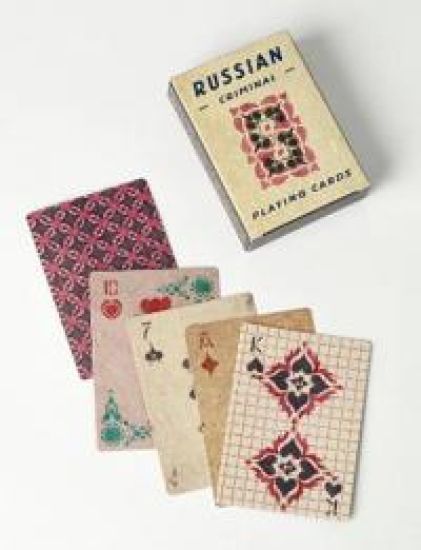
Russian Criminal Playing Cards

Russian Criminal Playing Cards

FUEL; Damon Murray; Stephen Sorrell

FUEL Publishing
2018
muu
A complete standard Western deck of 52 playing cards and 2 jokers, making them suitable for any card game. This deck of cards has been put together using four different sets (one for each suit) made by Russian criminals in prisons during the 1980s. Prohibited by the prison authorities, they are constructed from innocuous materials procured from the everyday routine of prison life, their unique designs skillfully manipulated so that they could be read. The respect commanded by any criminal was directly related to his ability to play, and win, at cards. Being ‘lucky’ at cards was also seen as a good omen (even if the winner cheated, as this practice is acceptable within the thieves world). A thief could stake anything in a card game, a finger, an arm, the life of another inmate, or even his own. If he lost, the debt had to be paid immediately. The penalty for defaulting was expulsion, a forcibly applied tattoo or in some cases, death. Confiscated and destroyed by the authorities, original decks are difficult to obtain and often incomplete. The authentic designs reproduced here have been taken from original cards collected over the last ten years by the authors. A standard Russian deck contains only 36 cards. This pack has been adapted to make a complete standard Western deck of 52 cards.
Brutal Bloc Postcards

Brutal Bloc Postcards

FUEL; Damon Murray; Stephen Sorrell; Jonathan Meades

FUEL Publishing
2018
sidottu

Halvin toimitettuna 26,40 €

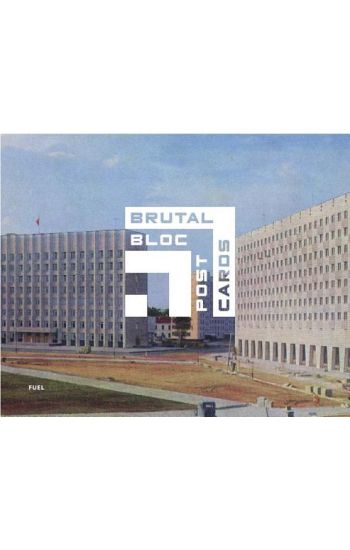
A collection of previously unpublished postcards from the former Eastern Bloc – sinister, funny, poignant and surreal, they depict the social and architectural values of the period. Brutal concrete hotels, futurist TV towers, heroic worker statues – this collection of Soviet era postcards documents the uncompromising landscape of the Eastern Bloc through its buildings and monuments. They are interspersed with quotes from prominent figures of the time, that both support and confound the ideologies presented in the images. In contrast to the photographs of a ruined and abandoned Soviet empire we are accustomed to seeing today, the scenes depicted here publicise the bright future of communism: social housing blocks, Palaces of Culture and monuments to Comradeship. Dating from the 1960s to the 1980s, they offer a nostalgic yet revealing insight into social and architectural values of the time, acting as a window through which we can examine cars, people, and of course, buildings. These postcards, sanctioned by the authorities, intended to show the world what living in communism looked like. Instead, this postcard propaganda inadvertently communicates other messages: outside the House of Political Enlightenment in Yerevan, the flowerbed reads ‘Glory to the Communist Party of the Soviet Union’; in Novopolotsk, art school pupils paint plein air, their subject is a housing estate; at the Irkutsk Polytechnic Institute students stroll past a five metre tall concrete hammer and sickle.
Alcohol

Alcohol

Damon Murray; Stephen Sorrell; Alexei Plutser-Sarno

FUEL Publishing
2017
sidottu
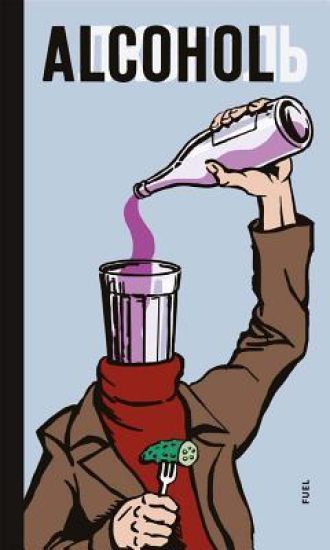
Soviet propaganda against the demon drink: the latest in Fuel's Russian pop culture seriesFrom the acclaimed authors of the Russian Criminal Tattoo Encyclopaedias and Soviet Space Dogs comes Alcohol, a glorious and exhaustive collection of previously unpublished Soviet anti-alcohol posters. The book includes examples from the 1960s through to the 1980s, but focuses on posters produced during Mikhail Gorbachev's campaign initiated in 1985. These posters attempted to sober up Soviet citizens by forcing them to confront the issues associated with excessive alcohol consumption. This government-led urgency allowed the poster designers to present the anti-alcohol message in the most graphic terms: they depicted drunks literally trapped inside the bottle or being strangled by "the green snake." Their protagonists are paralytic freeloaders and shirkers who always neglect their families, drive under the influence, produce substandard work, are smashed when pregnant and present a constant danger to fellow citizens. A two-part essay by renowned cultural historian Alexei Plutser-Sarno attempts to explain, from a Russian perspective, the reasons behind this phenomenon.
Drawings from the Gulag

Drawings from the Gulag

Danzig Baldaev; Damon Murray; Stephen Sorrell

FUEL Publishing
2010
sidottu

Halvin toimitettuna 29,10 €

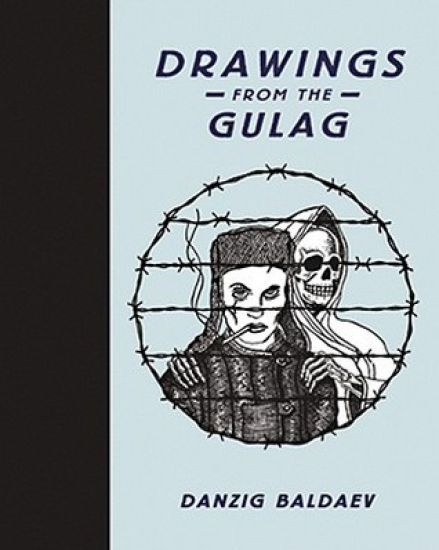
"Drawings from the Gulag" consists of 130 drawings by Danzig Baldaev describing the history, horror and peculiarities of the Gulag system from its inception in 1918. Baldaevs father, a respected ethnographer, taught him techniques to record the tattoos of criminals in St Petersburgs notorious Kresty prison, where he worked as a guard. He was reported to the KGB who unexpectedly supported his work, allowing him the opportunity to travel across the former USSR. Witnessing scenes of everyday life in the Gulag, he chronicled this previously closed world from both sides of the wire. With every vignette, Baldaev brings the characters he depicts to vivid life: from the lowest zek (inmate) to the most violent tattooed vor (thief), all the practices and inhabitants of the Gulag system are depicted here in incredible, and often shocking, detail. In documenting the attitude of the authorities to those imprisoned, and the transformation of those citizens into survivors or victims of the Gulag system, this graphic novel vividly depicts methods of torture and mass murder undertaken by the administration, as well as the atrocities committed by criminals on their fellow inmates.