

Kirjailija
Dan Cruickshank
Kirjat ja teokset yhdessä paikassa: 15 kirjaa, julkaisuja vuosilta 2010–2027, suosituimpiin kuuluu Secret History of Georgian London. Vertaile teosten hintoja ja tarkista saatavuus suomalaisista kirjakaupoista.
15 kirjaa
Kirjojen julkaisuvuodet: 2010–2027.
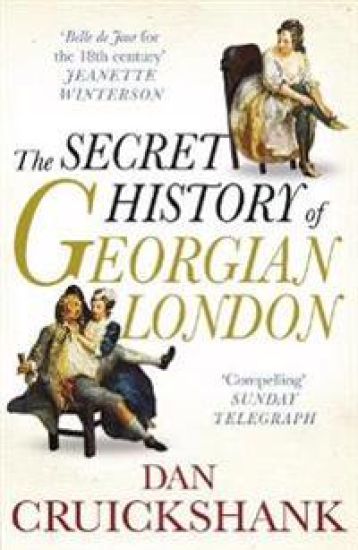
Georgian London evokes images of elegant buildings and fine art, but it was also a city where prostitution was rife, houses of ill repute widespread, and many tens of thousands of people dependent in some way or other on the wages of sin.
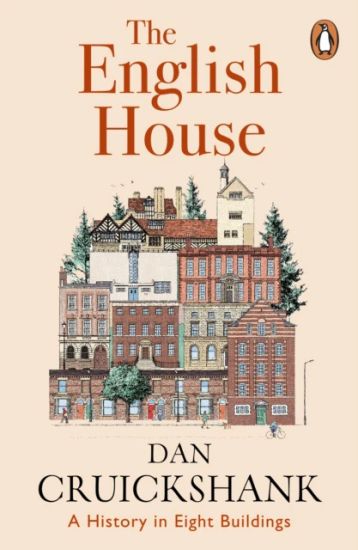
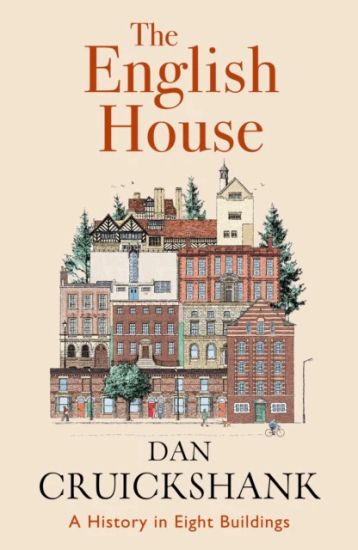
This is the story of the superbly elegant early eighteenth-century Pallant House in Chichester. It’s the story of 19 Princelet Street in Spitafields, built for a Huguenot silk-weaver, ultimately a synagogue. It’s also the story of – among others – a row of two-up, two-downs in Toxteth, a block of flats in London’s East End, and what Ideal Home’s magazine described in 1926 as Britain’s ‘first modern house’ – in Northampton. Together these buildings reveal the ways in which English homes have developed and changed over the past few centuries. At the same time, as Dan Cruickshank shows, they have much to tell us about the lives of their first occupants: their aspirations, their struggles, their place within society and relationship with their local community. The English House brilliantly weaves these two strands together, blending architectural and social history to create a series of brilliantly observed portraits of fascinating buildings.
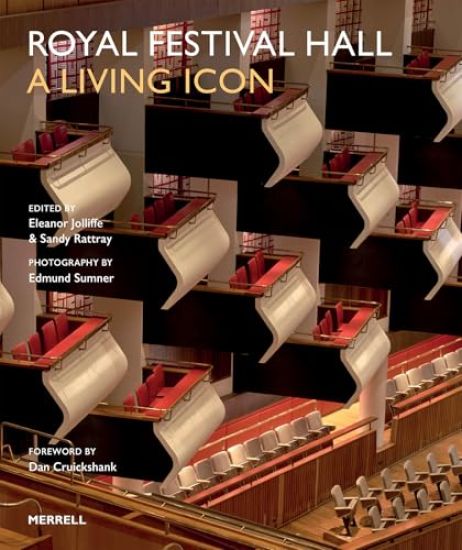
The Royal Festival Hall (RFH) - an important example of modernism in architecture and one of London's best-loved buildings - was built as a beacon of hope and renewal after the Second World War, and quickly became popular. In this new book, a selection of contributors - architects, technicians, musicians, historians and cultural programmers - tell the varied stories of the building and the people who use it. The book is illustrated with photography specially commissioned from renowned architectural photographer Edmund Sumner, and contains 21 written contributions on different aspects of the RFH, from its history as a piece of architecture to the story of the famous organ, from the approach to literature and spoken word to the life of the production team. The building's emergence as a destination for all, whether to enjoy a performance by a world-famous symphony orchestra, a dance class, a poetry reading or just a cup of coffee, is considered in the context of the intentions of its original planners and those who have led, maintained and refurbished it since. This book offers an invaluable record of the history of this celebrated building in the first 75 years of its life, and looks to the future as a centre of cultural programming - both weathering and shaping change - for many more decades to come. Published to coincide with the 75th anniversary celebrations of the Royal Festival Hall Written by architects musicians, historians and cultural programmers who have been closely involved with the building and its renovation A fascinating and thought-provoking book for anyone interested in the development of London's cultural life
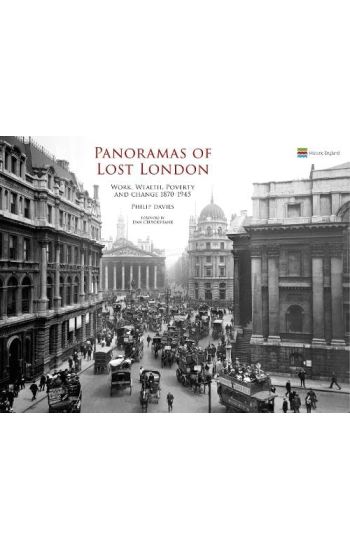
Panoramas of Lost London
Philip Davies; Dan Cruickshank
Atlantic Publishing, Croxley Green
2025
sidottu
Halvin toimitettuna 61,00 €
SOHO - ILLICIT, GLAMOROUS, SORDID, LOUCHE, POVERTY-STRICKEN, SQUALID, EXHILARATING. One of Britain's best-loved historians, Dan Cruickshank grants us an intimacy with centuries of rich and varied London history as he guides us around the Soho of the last five hundred years. We learn of its original aspirations towards respectability, how it became the city's bohemian quarter and why it was once home to its criminal underworld. The history of Soho is written in its surviving architecture, including its bars, clubs and theatres. Cruickshank observes how the common denominator over the centuries is its appeal as a destination for immigrants: from French Huguenots to the Italian and East European Jewish community and recent Chinese diaspora - and that this is the foundation of its spirit and success. Even as he mourns some of the changes, he pays heartfelt testament to the district's resilience.
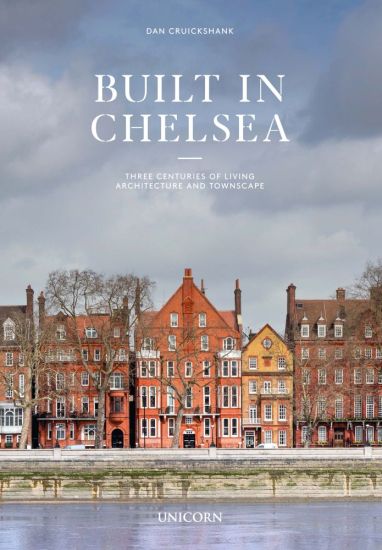
Among the London districts, Chelsea has always held a special charm for residents and visitors alike – spacious and gracious with the River Thames as background, but with a unique history of artists, bohemians and good causes. Twelve chapters tell episodes from this history, based on buildings that mark the stages of change, connecting what can seen on the street with the hidden histories of architects, patrons and the diverse people who have made their lives in and around them. These range from Chelsea Old Church through the churches, military establishments, theatres, restaurants, housing and shops. The spaces between buildings can be as important as the buildings themselves, and Chelsea has had the benefit of landowners with long-term interests in improving the experience of residents and visitors, creating in recent years some exemplary regeneration projects that can act as models for un-obtrusive management of change.
Cruickshank’s London: A Portrait of a City in 13 Walks
Dan Cruickshank
Random House Books
2021
pokkari
Halvin toimitettuna 18,70 €
'The perfect guide to the hidden history of London's streets.' BBC History MagazineIn Cruickshank's London, Britain's favourite architectural historian describes thirteen walks through one of the greatest cities on earth. From the mysterious Anglo-Saxon origins of Hampstead Heath, via Christopher Wren's magisterial City churches, to the industrial bustle of Victorian Bermondsey, each walk explores a crucial moment in our history - and reveals how it helped forge the modern city. Along the way, Cruickshank peppers the book with vivid photographs, sketches and maps, so you can immediately follow in his footsteps. Every street in London contains a story. This book invites you to hear them.___'An inspiringly illustrated guide to walks across London . . . It proves how much we can miss if we don't pay close attention to our surroundings.' Country Life'All power to Cruickshank and his intrepid and knowledgeable kind. We need them.' Times Literary Supplement
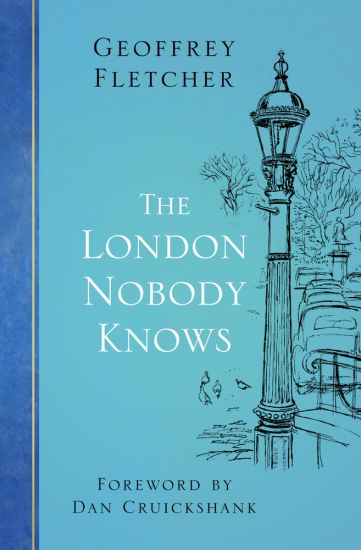
Geoffrey Fletcher’s off-beat portrayal of London does not focus on the big landmarks, but rather ‘the tawdry, extravagant and eccentric’. His descriptions will transport you to an art nouveau pub, a Victorian music hall, a Hawksmoor church and even a public toilet in Holborn in which the attendant kept goldfish in the cisterns. Drawn to the corners where ‘the kids swarm like ants and there are dogs everywhere’, Fletcher will take you to parts of the city where few outsiders venture. Originally published in 1962, in 1967 The London Nobody Knows was turned into an acclaimed documentary film starring James Mason. This book has been a must-have for anyone with an interest in London ever since, and will surprise even those who think they know it well today. Many of the places written about are sadly no more, but the sights and sounds of Fletcher’s London are preserved in this classic book through his beautiful illustrations and eye for the unusual and striking.
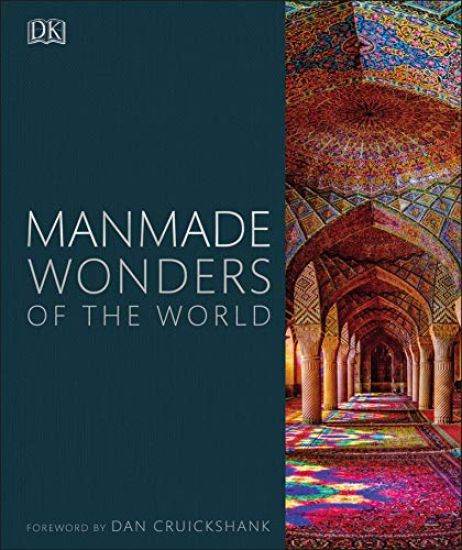
Discover and explore the most incredible statues, monuments, temples, bridges, and ancient cities with this unparalleled survey of the most famous buildings and structures created by humans. From Stonehenge to the Sagrada Familia, from the Great Wall of China to the Burj Khalifa, Manmade Wonders of the Worldplots a continent-by-continent journey around the world, exploring and charting the ingenuity and imagination used by different cultures to create iconic buildings. This truly global approach reveals how humans have tackled similar challenges - such as keeping the enemy out or venerating their gods - in vastly different parts of the world. As writer, historian, and broadcaster Dan Cruickshank writes in his foreword, "reading this book is like taking a journey through the world not only of the present but also of the past, because the roots of many wonders lie in antiquity." By combining breathtaking photography with 3D cutaway artworks, floorplans, and other illustrations, the hidden details and engineering innovations that make each building remarkable are revealed. Featuring the most visited monuments in the world - such as the Eiffel Tower, Taj Mahal, and Machu Picchu - as well as some hidden gems, Manmade Wonders of the World can help you to map out the trip of a lifetime or simply be enjoyed as a celebration of the world that humans have built over thousands of years.
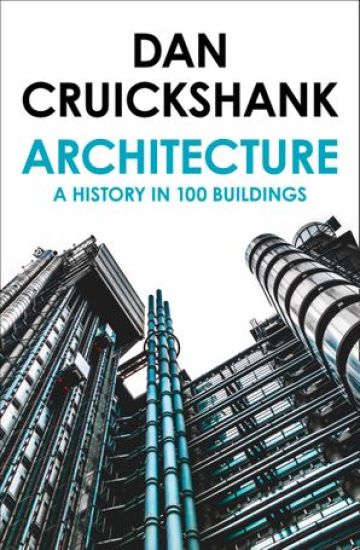
This stunning book by renowned television historian Dan Cruickshank tells the history of architecture through the stories of 100 iconic buildings.
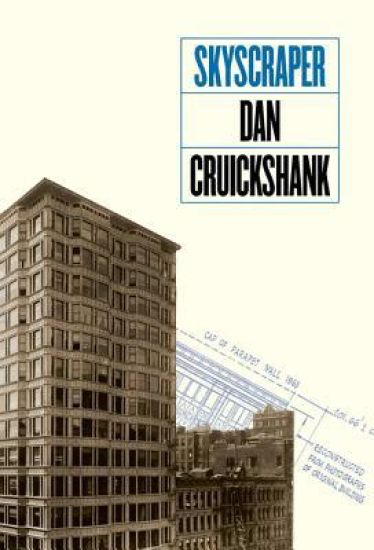
Chicago's beautiful Reliance Building, sixteen storeys tall, was designed in 1890 by John Root and completed in 1895 by Charles B. Atwood. In its construction – metal frame, large areas of plate glass, fire-proof brick and terracotta cladding – it pioneers all the key elements of twentieth-century high-rise architecture, and many of the tenets of Modernism. Cruickshank reflects on the extraordinary architectural, artistic and engineering world of the 1890s and its great figures such as Daniel H. Burnham, Louis Sullivan and William Le Baron Jenney. He looks forward to the Reliance building's immediate progeny, such as the 1902 Flatiron Building in New York and to the hubristic high-rise architecture of the twenty-first century. This is also the story of Gilded Age Chicago, which was burned to the ground in 1871. The city – corrupt, violent and fabulously wealthy – was ready to try anything, even revolutionary forms of architecture.
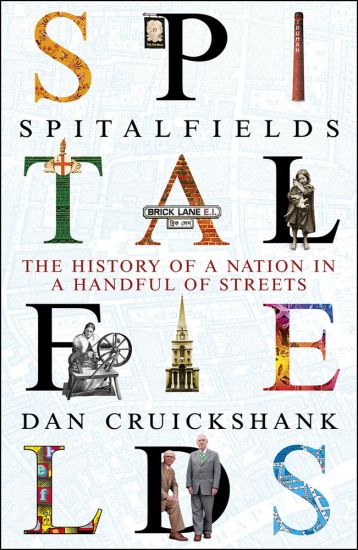
SHORTLISTED FOR THE HESSELL-TILTMAN HISTORY PRIZE 2017AN OBSERVER BOOK OF THE YEAR 2016Religious strife, civil conflict, waves of immigration, the rise and fall of industry, great prosperity and grinding poverty – the handful of streets that constitute modern Spitalfields have witnessed all this and much more. In Spitalfields, one of Britain's best-loved historians tells the stories of the streets he has lived in for four decades. Starting in Roman times and continuing right up to the present day, Cruickshank explains how Spitalfields' streets evolved, what people have lived there, and what lives they have led. En route, he discovers the tales of the Huguenot weavers who made Spitalfields their own after the Great Fire of London. He recounts the experiences of the first Jewish immigrants. He evokes the slum-ridden courts and alleys of Jack the Ripper's Spitalfields. And he describes the transformation of the Spitalfields he first encountered in the 1970s from a war-damaged collection of semi-derelict houses to the vibrant community it is today. This is a fascinating evocation of one of London's most distinctive districts. At the same time, it is a history of England in miniature.