Kirjojen hintavertailu – 12 903 724 kirjaa ja 27 kauppaa
Kirjailija
Dan J. Stein
Kirjat ja teokset yhdessä paikassa: 6 kirjaa, julkaisuja vuosilta 2008–2021, suosituimpiin kuuluu Trichotillomania, Skin Picking, and Other Body-Focused Repetitive Behaviors. Vertaile teosten hintoja ja tarkista saatavuus suomalaisista kirjakaupoista.
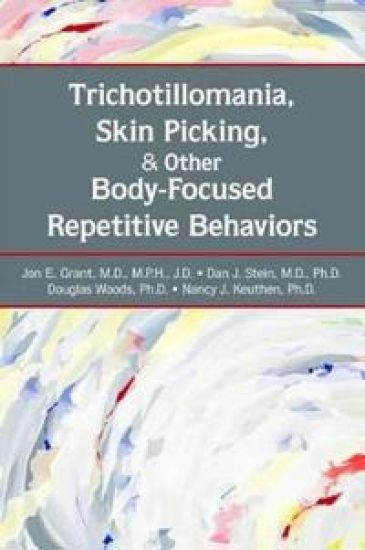
Underestimated, under-researched, and often poorly understood, the body-focused repetitive disorders nevertheless cause human suffering that is serious, persistent, and pervasive. These disorders can occur in both adults and children and manifest themselves as hair pulling (trichotillomania), pathologic skin picking, thumb sucking, and nail biting. Although these disorders are common, very few medical students and residents hear them addressed in lectures or know where to begin when confronted with a patient presenting with these behaviors. Trichotillomania, Skin Picking, and Other Body-Focused Repetitive Behaviors seeks to remedy this situation by synthesizing the latest research on body-focused repetitive disorders and presenting it in a systematic, easy-to-grasp manner. Much has changed in the more than a decade since the last book on this topic was published. This new volume reflects the most current and substantive research into the etiology and symptoms of body-focused repetitive disorders and therapeutic options. Organized in logical fashion, it begins with a review of the clinical characteristics, moves on to diagnosis and evaluation, and concludes with a full review of treatment options. Special features include: • Extensive material to help clinicians and patients understand the underlying purpose of engaging in these behaviors, which include, reducing tension, regulating strong emotion, and alleviating boredom.• Separate chapters on adults and children, who may have a different presentation and a different set of treatment options. An additional chapter focuses on the role of the child patient's family in the diagnosis and treatment of the disorder.• Thorough coverage of the full range of treatments—including psychotherapy, medication, and alternative treatments—which provides the clinician with an evidence-based approach to treating patients.• Discussion of the psychobiology of hair pulling and skin picking, which allows the reader to understand and contextualize the disorder from a neurological perspective and offers clues that may assist in optimizing treatment.• A presentation style that is detailed enough for clinicians, yet accessible enough for a lay audience, including patients with the disorder and the families who seek to understand and support them. Trichotillomania, Skin Picking, and Other Body-Focused Repetitive Behaviors fills a critical gap in the literature by addressing this common and frequently debilitating disorder in an utterly current, highly practical, and wholly compassionate manner.
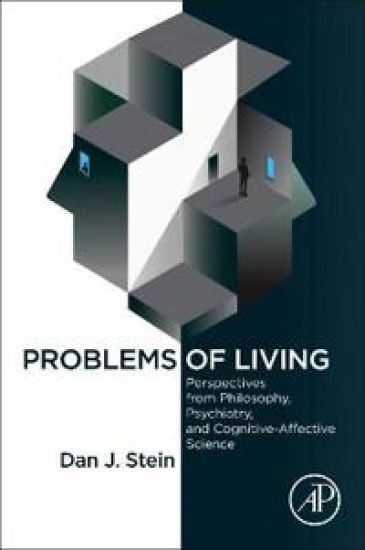
Problems of Living: Perspectives from Philosophy, Psychiatry, and Cognitive-Affective Science addresses philosophical questions related to problems of living, including questions about the nature of the brain-mind, reason and emotion, happiness and suffering, goodness and truth, and the meaning of life. It draws on critical, pragmatic, and embodied realism as well as moral naturalism, and brings arguments from metaphysics, epistemology, and ethics together with data from cognitive-affective science. This multidisciplinary integrated approach provides a novel framework for considering not only the nature of mental disorders, but also broader issues in mental health, such as finding pleasure and purpose in life.
Alban Burke; Tracy-Lee Austin; Christiaan Bezuidenhout; Karel Botha; Edwin Du Plessis; Elsabe Jordaan; Melanie Lake; Karabo Makhafula; Malose Makhubela; Mokgadi Moletsane; Juan A. Nel; Basil J. Pillay; Dan J. Stein; Gale Ure; Beate Von Krosigk; Adri Vorster
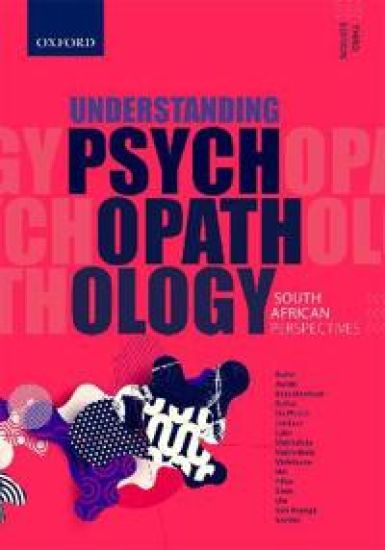
Understanding Psychopathology: South African Perspectives 3e provides a solid introduction to the study of mental disorders that incorporates socio-cultural, psychological and biomedical dimensions. It refers to criteria from both the Diagnostic and Statistical Manual of Mental Disorders (DSM-5) and the International Classifications of Diseases (ICD-10) to describe and define mental disorders. It also looks at the ICD-11, and how this new version has been harmonised with the DSM-5. The third edition of this book, previously published as Abnormal Psychology revised second edition, presents South African debates and data to ensure that it is relevant to the local context. In addition, research from the rest of Africa has been integrated into the book to show how other countries in our region are grappling with topical issues. This book is aimed at second- and third-year students following courses in Psychopathology or Abnormal Psychology as part of a Bachelor of Arts or Bachelor of Social Sciences degree at Universities. It has been written by academics and practitioners from across South Africa.
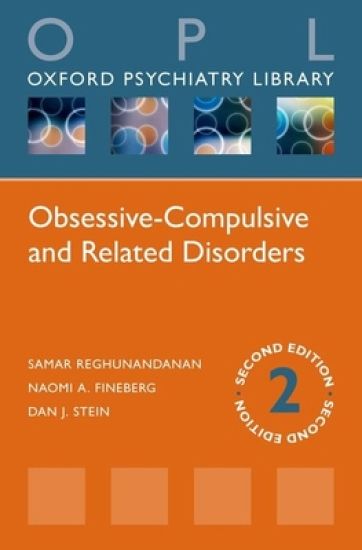
Providing clinicians and patients with the latest developments in research, this new edition is a succinct and practical introduction to the diagnosis, evaluation and management of OCD and other related disorders. Part of the Oxford Psychiatry Library series, this pocketbook includes individual chapters on the phenomenology, pathogenesis, pharmacotherapy and psychotherapy of OCD and other related disorders, and features fully updated content and research. The book also includes a helpful resources chapter, and an Appendix with summaries of the major rating scales used to assess patients with OCD, which will be of use to both clinicians and patients. Obsessive-compulsive disorder (OCD) and Obsessive-compulsive-related disorders (OCRDs) are anxiety disorders characterized by obsessions and compulsions, and varying degrees of anxiety and depression. OCRDs are considered to be one of the most disabling of psychiatric disorders and they present a tremendous economic and social burden, both for the affected individual, their family, and for society at large. In contrast to other psychiatric conditions of a comparable or lesser prevalence and patient burden, relatively little is understood about the aetiology, and cognitive effects of OCRDs.
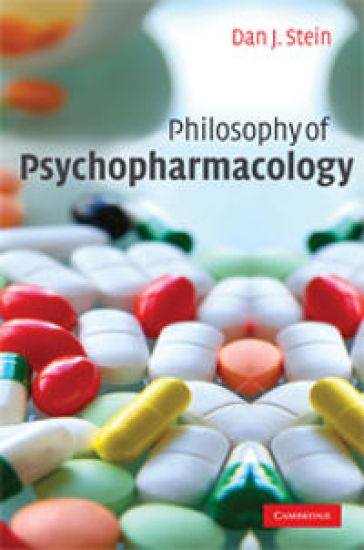
Psychotropic agents have been effective for the treatment of the emotional, and cognitive symptoms of serious psychiatric disorders. At the same time, the availability of such agents raises questions about the appropriate use of what might be termed 'smart pills', 'happy pills', or 'pep pills'. This volume argues that developments in modern psychopharmacology raise a range of important philosophical questions, and may ultimately change the way we think about ourselves. It provides a framework for addressing important philosophical issues in psychiatry and psychopharmacology. The approach is a naturalistic one, drawing on theory and data from modern cognitive-affective neuroscience and attempts to address objective and subjective aspects of psychiatric disorders, to integrate our knowledge of mechanisms and meanings, and to provide a balanced view of the good and the bad of psychotropics.