Kirjojen hintavertailu – 12 903 725 kirjaa ja 27 kauppaa

Kirjailija

Dan Stone

Kirjat ja teokset yhdessä paikassa: 29 kirjaa, julkaisuja vuosilta 2002–2027, suosituimpiin kuuluu Thinking Europe’s Catastrophe. Vertaile teosten hintoja ja tarkista saatavuus suomalaisista kirjakaupoista.

29 kirjaa

Kirjojen julkaisuvuodet: 2002–2027.

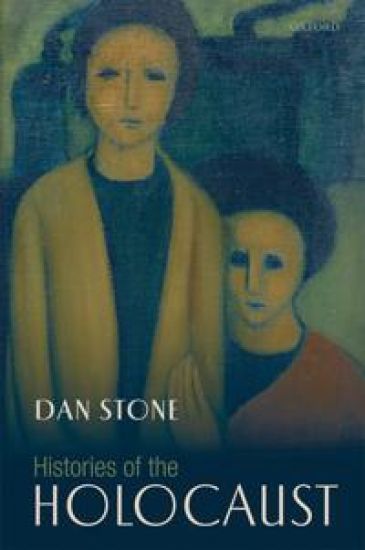
Histories of the Holocaust

Histories of the Holocaust

Dan Stone

Oxford University Press
2010
sidottu
The Holocaust is one of the most intensively studied phenomena in modern history. The volume of writing that fuels the numerous debates about it is overwhelming in quantity and diversity. Even those who have dedicated their professional lives to understanding the Holocaust cannot assimilate it all. There is, then, an urgent need to synthesize and evaluate the complex historiography on the Holocaust, exploring the major themes and debates relating to it and drawing widely on the findings of a great deal of research. Concentrating on the work of the last two decades, Histories of the Holocaust examines the 'Final Solution' as a European project, the decision-making process, perpetrator research, plunder and collaboration, regional studies, ghettos, camps, race science, antisemitic ideology, and recent debates concerning modernity, organization theory, colonialism, genocide studies, and cultural history. Research on victims is discussed, but Stone focuses more closely on perpetrators, reflecting trends within the historiography, as well as his own view that in order to understand Nazi genocide the emphasis must be on the culture of the perpetrators. The book is not a 'history of the history of the Holocaust', offering simply a description of developments in historiography. Stone critically analyses the literature, discerning major themes and trends and assessing the achievements and shortcomings of the various approaches. He demonstrates that there never can or should be a single history of the Holocaust and facilitates an understanding of the genocide of the Jews from a multiplicity of angles. An understanding of how the Holocaust could have happened can only be achieved by recourse to histories of the Holocaust: detailed day-by-day accounts of high-level decision-making; long-term narratives of the Holocaust's relationship to European histories of colonialism and warfare; micro-historical studies of Jewish life before, during, and after Nazi occupation; and cultural analyses of Nazi fantasies and fears.
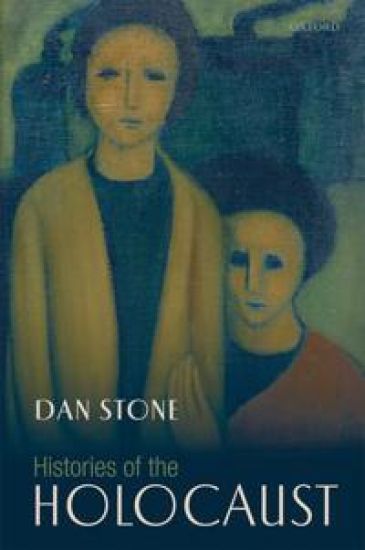
Histories of the Holocaust

Histories of the Holocaust

Dan Stone

Oxford University Press
2010
nidottu
The Holocaust is one of the most intensively studied phenomena in modern history. The volume of writing that fuels the numerous debates about it is overwhelming in quantity and diversity. Even those who have dedicated their professional lives to understanding the Holocaust cannot assimilate it all. There is, then, an urgent need to synthesize and evaluate the complex historiography on the Holocaust, exploring the major themes and debates relating to it and drawing widely on the findings of a great deal of research. Concentrating on the work of the last two decades, Histories of the Holocaust examines the 'Final Solution' as a European project, the decision-making process, perpetrator research, plunder and collaboration, regional studies, ghettos, camps, race science, antisemitic ideology, and recent debates concerning modernity, organization theory, colonialism, genocide studies, and cultural history. Research on victims is discussed, but Stone focuses more closely on perpetrators, reflecting trends within the historiography, as well as his own view that in order to understand Nazi genocide the emphasis must be on the culture of the perpetrators. The book is not a 'history of the history of the Holocaust', offering simply a description of developments in historiography. Stone critically analyses the literature, discerning major themes and trends and assessing the achievements and shortcomings of the various approaches. He demonstrates that there never can or should be a single history of the Holocaust and facilitates an understanding of the genocide of the Jews from a multiplicity of angles. An understanding of how the Holocaust could have happened can only be achieved by recourse to histories of the Holocaust: detailed day-by-day accounts of high-level decision-making; long-term narratives of the Holocaust's relationship to European histories of colonialism and warfare; micro-historical studies of Jewish life before, during, and after Nazi occupation; and cultural analyses of Nazi fantasies and fears.

Web Site Marketing Essentials
Web Site Marketing Essentials is a concise, non-technical guide for small business owners looking to maximize the exposure and effectiveness of their Web sites. Starting with the Universal Home Page Formula, you'll learn the strategies used by Fortune 500 companies and others to enhance their search engine visibility and convert virtual visitors into real revenue. Key topics include search engine optimization (SEO), strategic domain name usage, starting-out in e-commerce, business blogging basics, and tactics to attract local consumers.
History, Memory and Mass Atrocity

History, Memory and Mass Atrocity

Dan Stone

Vallentine Mitchell Co Ltd
2006
sidottu
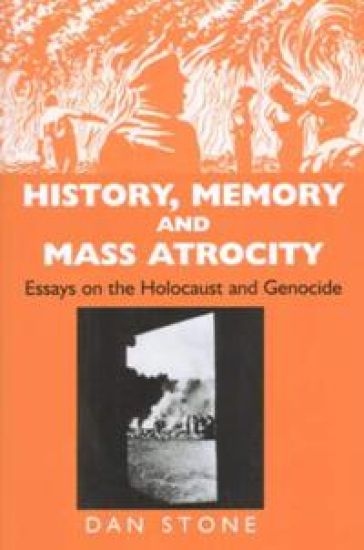
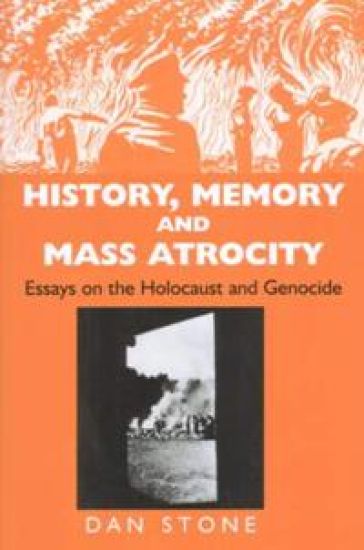
The book's main theme is the interpretation of the Holocaust and genocide in historiography, philosophy and the contemporary culture of commemoration. Running through the essays is an attempt to understand the Holocaust's relationship to 'modernity'; the need to find ways of understanding genocide through apparently 'non-rational' forms of explanation (especially derived from anthropology); and the desirability of relating the Holocaust to other instances of genocide. The book investigates the ways in which individual thinkers (Malinowski, Arendt, Bataille, Perec, Ricoeur) can help us conceptualise the Holocaust, and also deals with many of the major themes of Holocaust and Genocide Studies in recent years: problems of handling testimony; problems of erecting monuments and museums; the representability of the Holocaust through texts, photographs, monuments and museums; the possibility of understanding why individuals take part in genocide; and the relationship of the Holocaust to colonial genocide. It contains previously inaccessible essays. The book is arranged into four sections: interpretations of the origins and nature of the Holocaust; studies of individual thinkers' responses to the Holocaust; questions of representation and commemoration; and understanding genocide.
Constructing the Holocaust

Constructing the Holocaust

Dan Stone

Vallentine Mitchell Co Ltd
2003
nidottu
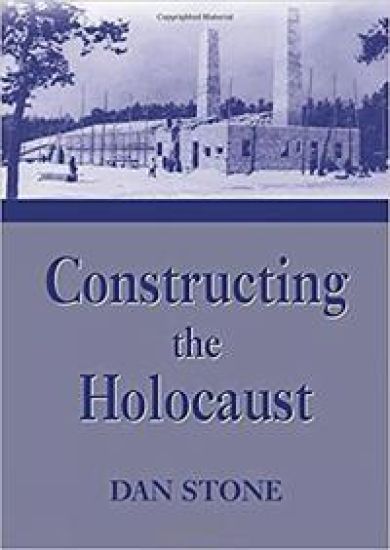
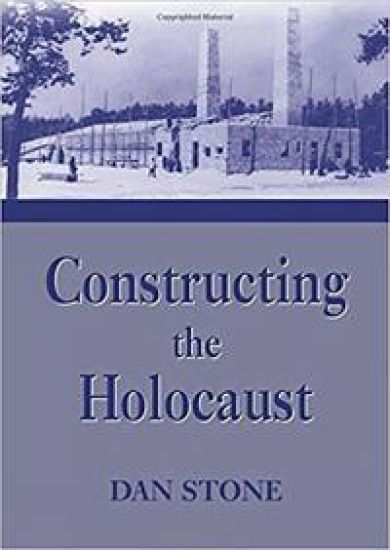
"Constructing the Holocaust" examines the development of Holocaust historiography in the light of recent critical philosophy of history. It argues that the Holocaust provides both the occasion for, and the ultimate test of, new ways of giving meaning to the past. It also shows that examining our representations of the past is as important as archival research for understanding history. The problem under investigation is the paradox of using tools and methods inherited from western civilization in order to write about a set of events - the Holocaust - that impugn fundamental tenets of that very civilization. This paradox, though historians of the Holocaust increasingly acknowledge it, has not been investigated in detail before. This book explains how the paradox arose and why it remains largely unchallenged. It also point to ways of overcoming it.
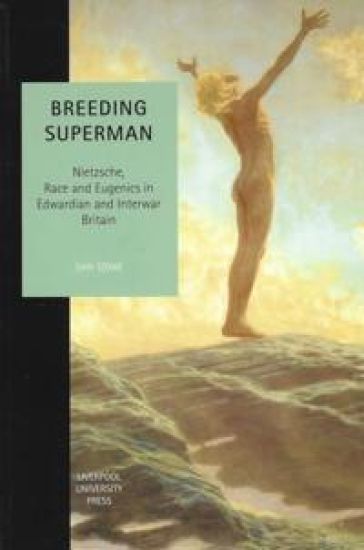
Breeding Superman

Breeding Superman

Dan Stone

Liverpool University Press
2002
nidottu
Before the First World War there existed an intellectual turmoil in Britain as great as any in Germany, France or Russia, as the debates over Nietzsche and eugenics in the context of early modernism reveal. With the rise of fascism after 1918, these debates became more ideologically driven, with science and vitalist philosophy being hailed in some quarters as saviours from bourgeois decadence, vituperated in others as heralding the onset of barbarism. Breeding Superman looks at several of the leading Nietzscheans and eugenicists, and challenges the long-cherished belief that British intellectuals were fundamentally uninterested in race. The result is a study of radical ideas which are conventionally written out of histories of the politics and culture of the period.
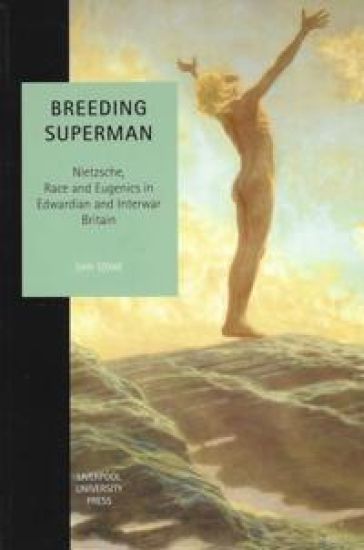
Breeding Superman

Breeding Superman

Dan Stone

Liverpool University Press
2002
sidottu
Before the First World War there existed an intellectual turmoil in Britain as great as any in Germany, France or Russia, as the debates over Nietzsche and eugenics in the context of early modernism reveal. With the rise of fascism after 1918, these debates became more ideologically driven, with science and vitalist philosophy being hailed in some quarters as saviours from bourgeois decadence, vituperated in others as heralding the onset of barbarism. Breeding Superman looks at several of the leading Nietzscheans and eugenicists, and challenges the long-cherished belief that British intellectuals were fundamentally uninterested in race. The result is a study of radical ideas which are conventionally written out of histories of the politics and culture of the period.