
Kirjojen hintavertailu – 12 903 724 kirjaa ja 27 kauppaa

Kirjailija

Daniel Deudney

Kirjat ja teokset yhdessä paikassa: 3 kirjaa, julkaisuja vuosilta 2017–2022, suosituimpiin kuuluu Survival 59.4. Vertaile teosten hintoja ja tarkista saatavuus suomalaisista kirjakaupoista.

3 kirjaa

Kirjojen julkaisuvuodet: 2017–2022.

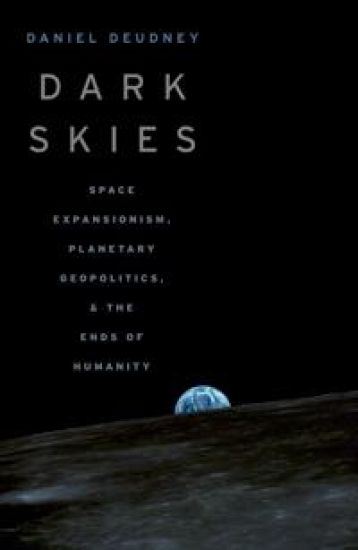
Dark Skies

Dark Skies

Daniel Deudney

OXFORD UNIVERSITY PRESS INC
2022
nidottu
Space is again in the headlines. E-billionaires Jeff Bezos and Elon Musk are planning to colonize Mars. President Trump wanted a "Space Force" to achieve "space dominance" with expensive high-tech weapons. The space and nuclear arms control regimes are threadbare and disintegrating. Would-be asteroid collision diverters, space solar energy collectors, asteroid miners, and space geo-engineers insistently promote their Earth-changing mega-projects. Given our many looming planetary catastrophes (from extreme climate change to runaway artificial superintelligence), looking beyond the earth for solutions might seem like a sound strategy for humanity. And indeed, bolstered by a global network of fervent space advocates-and seemingly rendered plausible, even inevitable, by oceans of science fiction and the wizardly of modern cinema-space beckons as a fully hopeful path for human survival and flourishing, a positive future in increasingly dark times. But despite even basic questions of feasibility, will these many space ventures really have desirable effects, as their advocates insist? In the first book to critically assess the major consequences of space activities from their origins in the 1940s to the present and beyond, Daniel Deudney argues in Dark Skies that the major result of the "Space Age" has been to increase the likelihood of global nuclear war, a fact conveniently obscured by the failure of recognize that nuclear-armed ballistic missiles are inherently space weapons. The most important practical finding of Space Age science, also rarely emphasized, is the discovery that we live on Oasis Earth, tiny and fragile, and teeming with astounding life, but surrounded by an utterly desolate and inhospitable wilderness stretching at least many trillions of miles in all directions. As he stresses, our focus must be on Earth and nowhere else. Looking to the future, Deudney provides compelling reasons why space colonization will produce new threats to human survival and not alleviate the existing ones. That is why, he argues, we should fully relinquish the quest. Mind-bending and profound, Dark Skies challenges virtually all received wisdom about the final frontier.
Dark Skies

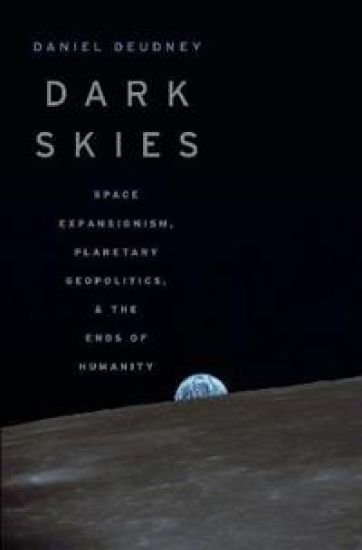
Dark Skies

Daniel Deudney

Oxford University Press Inc
2020
sidottu
Space is again in the headlines. E-billionaires Jeff Bezos and Elon Musk are planning to colonize Mars. President Trump wants a "Space Force" to achieve "space dominance" with expensive high-tech weapons. The space and nuclear arms control regimes are threadbare and disintegrating. Would-be asteroid collision diverters, space solar energy collectors, asteroid miners, and space geo-engineers insistently promote their Earth-changing mega-projects. Given our many looming planetary catastrophes (from extreme climate change to runaway artificial superintelligence), looking beyond the earth for solutions might seem like a sound strategy for humanity. And indeed, bolstered by a global network of fervent space advocates-and seemingly rendered plausible, even inevitable, by oceans of science fiction and the wizardly of modern cinema-space beckons as a fully hopeful path for human survival and flourishing, a positive future in increasingly dark times. But despite even basic questions of feasibility, will these many space ventures really have desirable effects, as their advocates insist? In the first book to critically assess the major consequences of space activities from their origins in the 1940s to the present and beyond, Daniel Deudney argues in Dark Skies that the major result of the "Space Age" has been to increase the likelihood of global nuclear war, a fact conveniently obscured by the failure of recognize that nuclear-armed ballistic missiles are inherently space weapons. The most important practical finding of Space Age science, also rarely emphasized, is the discovery that we live on Oasis Earth, tiny and fragile, and teeming with astounding life, but surrounded by an utterly desolate and inhospitable wilderness stretching at least many trillions of miles in all directions. As he stresses, our focus must be on Earth and nowhere else. Looking to the future, Deudney provides compelling reasons why space colonization will produce new threats to human survival and not alleviate the existing ones. That is why, he argues, we should fully relinquish the quest. Mind-bending and profound, Dark Skies challenges virtually all received wisdom about the final frontier.
Survival 59.4

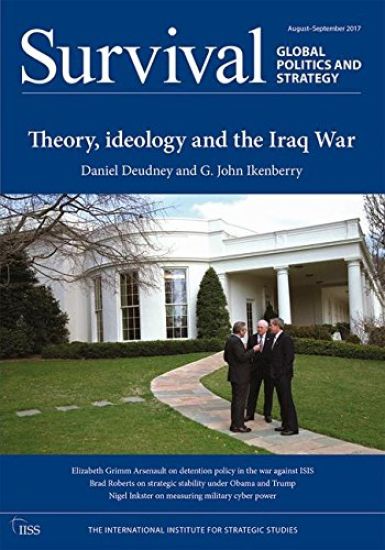
Survival 59.4

Daniel Deudney; G. John Ikenberry

Routledge
2017
nidottu
Survival, the bi-monthly publication from The International Institute for Strategic Studies, is a leading forum for analysis and debate of international and strategic affairs. With a diverse range of authors, thoughtful reviews and review essays, Survival is scholarly in depth while vivid, well-written and policy-relevant in approach. Shaped by its editors to be both timely and forward-thinking, the publication encourages writers to challenge conventional wisdom and bring fresh, often controversial, perspectives to bear on the strategic issues of the moment.