
Kirjojen hintavertailu – 12 903 725 kirjaa ja 27 kauppaa

Kirjailija

Daniel Kammen

Kirjat ja teokset yhdessä paikassa: 3 kirjaa, julkaisuja vuosilta 2015–2026, suosituimpiin kuuluu Navigating Renewable Energy. Vertaile teosten hintoja ja tarkista saatavuus suomalaisista kirjakaupoista.

3 kirjaa

Kirjojen julkaisuvuodet: 2015–2026.

Navigating Renewable Energy

Navigating Renewable Energy

Daniel Kammen

UniPress Books
2026
nidottu
From fossil fuels to renewables, the climate crisis and carbon capture, nuclear fusion and fission, the modern landscape of energy is a topical, sometimes controversial, and ever-changing place. But how are you expected to navigate this powerful and sometimes perilous world? Navigating Energy provides the map you need to start exploring seriously big ideas about the forces that drive our planet and our future. Provocative questions prompt direct answers by an expert author, each one helping you chart a path through the technologies, debates, and dilemmas of energy. With ‘one-stop’ graphics signposting a memorable or metaphorical idea for each topic, and ‘route map’ glossaries explaining key terms and their connections, this is your expert guide to understanding the power that fuels modern life, and the choices we must make to sustain it.
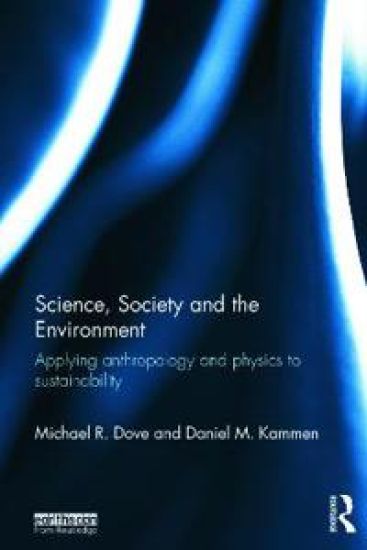
Science, Society and the Environment

Science, Society and the Environment

Michael Dove; Daniel Kammen

Routledge
2015
sidottu
In an era when pressing environmental problems make collaboration across the divide between sciences and arts and humanities essential, this book presents the results of a collaborative analysis by an anthropologist and a physicist of four key junctures between science, society, and environment. The first focuses on the systemic bias in science in favour of studying esoteric subjects as distinct from the mundane subjects of everyday life; the second is a study of the fire-climax grasslands of Southeast Asia, especially those dominated by Imperata cylindrica (sword grass); the third reworks the idea of ‘moral economy’, applying it to relations between environment and society; and the fourth focuses on the evolution of the global discourse of the culpability and responsibility of climate change. The volume concludes with the insights of an interdisciplinary perspective for the natural and social science of sustainability. It argues that failures of conservation and development must be viewed systemically, and that mundane topics are no less complex than the more esoteric subjects of science. The book addresses a current blind spot within the academic research community to focusing attention on the seemingly common and mundane beliefs and practices that ultimately play the central role in the human interaction with the environment. This book will benefit students and scholars from a number of different academic disciplines, including conservation and environment studies, development studies, studies of global environmental change, anthropology, geography, sociology, politics, and science and technology studies.
Science, Society and the Environment

Science, Society and the Environment

Michael Dove; Daniel Kammen

Routledge
2015
nidottu
In an era when pressing environmental problems make collaboration across the divide between sciences and arts and humanities essential, this book presents the results of a collaborative analysis by an anthropologist and a physicist of four key junctures between science, society, and environment. The first focuses on the systemic bias in science in favour of studying esoteric subjects as distinct from the mundane subjects of everyday life; the second is a study of the fire-climax grasslands of Southeast Asia, especially those dominated by Imperata cylindrica (sword grass); the third reworks the idea of ‘moral economy’, applying it to relations between environment and society; and the fourth focuses on the evolution of the global discourse of the culpability and responsibility of climate change. The volume concludes with the insights of an interdisciplinary perspective for the natural and social science of sustainability. It argues that failures of conservation and development must be viewed systemically, and that mundane topics are no less complex than the more esoteric subjects of science. The book addresses a current blind spot within the academic research community to focusing attention on the seemingly common and mundane beliefs and practices that ultimately play the central role in the human interaction with the environment. This book will benefit students and scholars from a number of different academic disciplines, including conservation and environment studies, development studies, studies of global environmental change, anthropology, geography, sociology, politics, and science and technology studies.