Kirjojen hintavertailu – 12 903 725 kirjaa ja 27 kauppaa

Kirjailija

Daniel Maxwell

Kirjat ja teokset yhdessä paikassa: 5 kirjaa, julkaisuja vuosilta 2008–2025, suosituimpiin kuuluu Viral Outbreaks, Biosecurity, and Preparing for Mass Casualty Infectious Diseases Events. Vertaile teosten hintoja ja tarkista saatavuus suomalaisista kirjakaupoista.

5 kirjaa

Kirjojen julkaisuvuodet: 2008–2025.

Viral Outbreaks, Biosecurity, and Preparing for Mass Casualty Infectious Diseases Events

Viral Outbreaks, Biosecurity, and Preparing for Mass Casualty Infectious Diseases Events

Trish M. Perl; Daniel Maxwell

Elsevier - Health Sciences Division
2025
sidottu
Written by authorities in infectious disease and disaster preparedness, this one-stop resource covers the relevant theoretical, historical, and pragmatic considerations of viral outbreaks and bioterrorism. It provides an expert overview of this complex area for infectious disease physicians, emergency medicine physicians, hospital administrators, and more. Explores the historical context of various agents and potential agents that could be used for bioterrorism, including anthrax, tularemia, smallpox, SARS, and more Discusses the lessons learned from naturally occurring outbreaks that have enhanced preparedness at individual hospitals locally, regionally, nationally, and internationally. Provides forms, checklists, and algorithms throughout - invaluable resources for health care providers and administrators Consolidates today’s available information on this timely topic into a single convenient resource

Understanding the Humanitarian World

Understanding the Humanitarian World

Daniel Maxwell; Kirsten Gelsdorf

Routledge
2019
nidottu
Conflict and disaster have been part of human history for as long as it has been recorded. Over time, more mechanisms for responding to crises have developed and become more systematized. Today a large and complex ‘global humanitarian response system’ made up of a multitude of local, national and international actors carries out a wide variety of responses. Understanding this intricate system, and the forces that shape it, are the core focus of this book. Daniel G Maxwell and Kirsten Gelsdorf highlight the origins, growth, and specific challenges to, humanitarian action and examine why the contemporary system functions as it does. They outline the main actors, explore how they are organised and look at the ways they plan and carry out their operations. Interrogating major contemporary debates and controversies in the humanitarian system, and the reasons why actions undertaken in its name remain the subject of so much controversy, they provide an important overview of the contemporary humanitarian system and the ways it may develop in the future. This book offers a nuanced understanding of the way humanitarian action operates in the 21st century. It will be essential reading for anyone with an interest in international human rights law, disaster management and international relations. For more information, please see the authors' website: https://www.understandingthehumanitarianworld.com/
Understanding the Humanitarian World

Understanding the Humanitarian World

Daniel Maxwell; Kirsten Gelsdorf

Routledge
2019
sidottu
Conflict and disaster have been part of human history for as long as it has been recorded. Over time, more mechanisms for responding to crises have developed and become more systematized. Today a large and complex ‘global humanitarian response system’ made up of a multitude of local, national and international actors carries out a wide variety of responses. Understanding this intricate system, and the forces that shape it, are the core focus of this book. Daniel G Maxwell and Kirsten Gelsdorf highlight the origins, growth, and specific challenges to, humanitarian action and examine why the contemporary system functions as it does. They outline the main actors, explore how they are organised and look at the ways they plan and carry out their operations. Interrogating major contemporary debates and controversies in the humanitarian system, and the reasons why actions undertaken in its name remain the subject of so much controversy, they provide an important overview of the contemporary humanitarian system and the ways it may develop in the future. This book offers a nuanced understanding of the way humanitarian action operates in the 21st century. It will be essential reading for anyone with an interest in international human rights law, disaster management and international relations. For more information, please see the authors' website: https://www.understandingthehumanitarianworld.com/
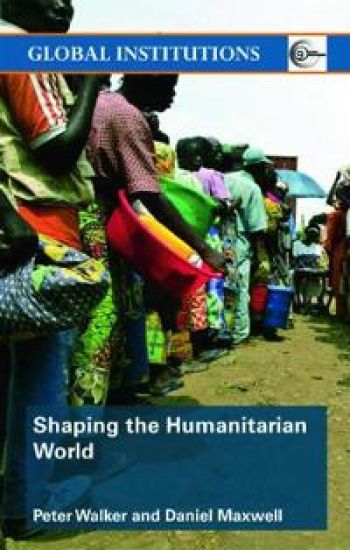
Shaping the Humanitarian World

Shaping the Humanitarian World

Peter Walker; Daniel Maxwell

Routledge
2008
nidottu

Halvin toimitettuna 47,50 €

Providing a critical introduction to the notion of humanitarianism in global politics, tracing the concept from its origins to the twenty-first century, this book examines how the so called international community works in response to humanitarian crises and the systems that bind and divide them. By tracing the history on international humanitarian action from its early roots through the birth of the Red Cross to the beginning of the UN, Peter Walker and Daniel G. Maxwell examine the challenges humanitarian agencies face, from working alongside armies and terrorists to witnessing genocide. They argue that humanitarianism has a vital future, but only if those practicing it choose to make it so. Topics covered include: the rise in humanitarian action as a political tool the growing call for accountability of agencies the switch of NGOs from bit players to major trans-national actors the conflict between political action and humanitarian action when it comes to addressing causes as well as symptoms of crisis. This book is essential reading for anyone with an interest in international human rights law, disaster management and international relations.
Shaping the Humanitarian World

Shaping the Humanitarian World

Peter Walker; Daniel Maxwell

Routledge
2008
sidottu
Providing a critical introduction to the notion of humanitarianism in global politics, tracing the concept from its origins to the twenty-first century, this book examines how the so called international community works in response to humanitarian crises and the systems that bind and divide them. By tracing the history on international humanitarian action from its early roots through the birth of the Red Cross to the beginning of the UN, Peter Walker and Daniel G. Maxwell examine the challenges humanitarian agencies face, from working alongside armies and terrorists to witnessing genocide. They argue that humanitarianism has a vital future, but only if those practicing it choose to make it so. Topics covered include: the rise in humanitarian action as a political tool the growing call for accountability of agencies the switch of NGOs from bit players to major trans-national actors the conflict between political action and humanitarian action when it comes to addressing causes as well as symptoms of crisis. This book is essential reading for anyone with an interest in international human rights law, disaster management and international relations.