Kirjojen hintavertailu – 12 871 288 kirjaa ja 27 kauppaa

Kirjailija

Daniel N. Allen

Kirjat ja teokset yhdessä paikassa: 4 kirjaa, julkaisuja vuosilta 2011–2022, suosituimpiin kuuluu Treating Adult Substance Abuse Using Family Behavior Therapy. Vertaile teosten hintoja ja tarkista saatavuus suomalaisista kirjakaupoista.

4 kirjaa

Kirjojen julkaisuvuodet: 2011–2022.

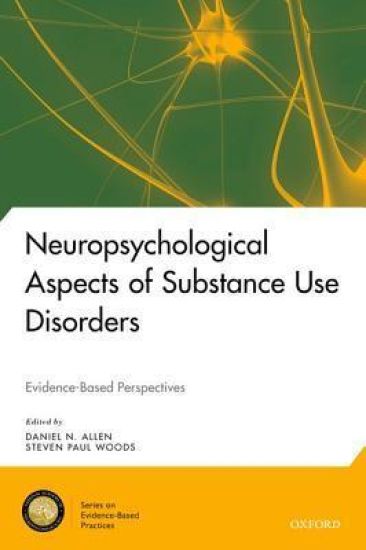
Neuropsychological Aspects of Substance Use Disorders

Neuropsychological Aspects of Substance Use Disorders

Daniel N. Allen; Steven Paul Woods

Oxford University Press Inc
2013
sidottu
In Neuropsychological Aspects of Substance Use Disorders, internationally recognized experts provide clinicians with the most up to date information on the neuropsychology of substance use disorders based on the empirical literature. Substance use disorders continue to be a major health concern in the United States and worldwide, although their causes and effective treatments remain elusive. Research in this area has expanded dramatically over the past two decades and provided insights into psychobiological, behavioral, and genetic factors that contribute to the onset and maintenance of substance use disorders and associated neuropsychological abnormalities. This research has provided a strong empirical foundation that has direct implications for clinical neuropsychological practice and created a need to provide the practitioner with a cogent and up-to-date summary of current developments, which is the goal of this volume. Chapters in this volume are organized into three sections that are designed to provide a translational overview of basic research and treatment findings regarding addictions, neuropsychological and neurological sequalae of the most common substances of abuse, and consideration of special issues that might confound interpretation of neuropsychological test results. Section I provides an overview of addictions, including diagnoses based on the DSM-IV, as well as the most current conceptualizations of addiction from psychobiological, genetic, and behavioral and no economics perspectives, providing the reader with a broad evidence-based conceptual framework. Section II reviews the most common substances of abuse including coverage of structural and functional neuroimaging findings, epidemiological evidence, and neuropsychological sequelae. Substances included in this section represent the most commonly encountered drugs of abuse. Section III includes coverage of the number of special topics, including specific issues related to psychiatric, medical, and neurological comorbidities. Topics included in this section represent areas of common concerns faced by clinical neuropsychologists in the interpretation and application of neuropsychological test results.
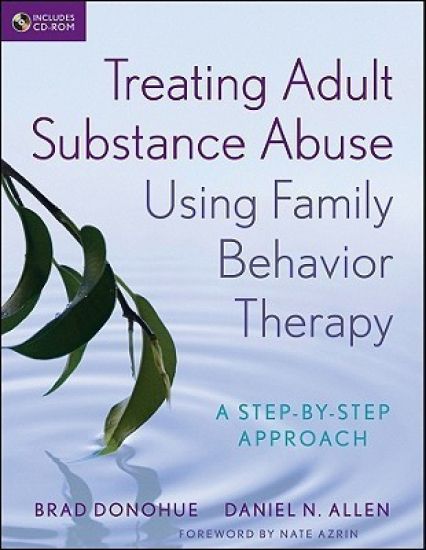
Treating Adult Substance Abuse Using Family Behavior Therapy

Treating Adult Substance Abuse Using Family Behavior Therapy

Brad Donohue; Daniel N. Allen; Nathan H. Azrin

John Wiley Sons Inc
2011
muu
Praise for Treating Adult Substance Abuse Using Family Behavior Therapy "Treating Adult Substance Abuse Using Family Behavior Therapy is a welcome addition to the evidence-based substance use disorder treatment literature. This volume provides a large amount of helpful information, materials, and step-by-step instructions for implementing and troubleshooting family-based behavioral treatment for substance use problems." —Mark B. Sobell, PhD, ABPP, Professor, and Linda Sobell, PhD, ABPP, Professor and Associate Director of Clinical Training, Center for Psychological Studies, Nova Southeastern University, Fort Lauderdale–Davie, FL "I strongly recommend Treating Adult Substance Abuse Using Family Behavior Therapy. Donohue and Allen give readers a step-by-step approach using empirical strategies, client–therapist dialogues, checklists, and handouts that make the therapy process clear and concrete. This book is a must-read for all who want to use FBT in their practice." —Robert J. Meyers, PhD, Emeritus Associate Research Professor of Psychology, University of New Mexico "I am delighted with the book Treating Adult Substance Abuse Using Family Behavior Therapy. As a relatively new therapist, I used the FBT protocols in a practice setting and the highly structured interventions provided me a sense of confidence while developing professional competence in working with very challenging populations. Although simple in theory, families are empowered by these absolutely positive techniques." —Amy S. Bizjak, Staff Development Training Coordinator, Bethesda Children's Home, Meadville, PA Practical, step-by-step guidance for using Family Behavior Therapy (FBT) in the treatment of adults dealing with substance abuse Treating Adult Substance Abuse Using Family Behavior Therapy clearly explains how this evidence-supported treatment can be implemented in a flexible, straightforward manner and covers: The underlying framework and infrastructure necessary for treatment providers to effectively implement FBT Strategies for establishing effective consumer-driven treatment plans with clients prior to each session Skills training and exercises that teach conflict management and how to build healthy relationships Standardized methods for managing problems that coexist with substance abuse, such as unemployment, depression, and incarceration With an accompanying CD-ROM containing worksheets, handouts, and other practical materials, this hands-on behavioral approach to therapy equips all mental health professionals with effective strategies to help adult substance abusers and their families through the recovery process.
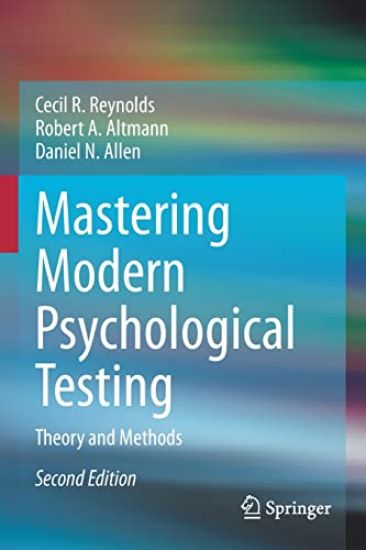
Mastering Modern Psychological Testing

Mastering Modern Psychological Testing

Cecil R. Reynolds; Robert A. Altmann; Daniel N. Allen

Springer Nature Switzerland AG
2022
nidottu
This book provides a comprehensive introduction to psychological assessment and covers areas not typically addressed in existing test and measurements texts, such as neuropsychological assessment and the use of tests in forensics settings. The book introduces the vocabulary of the profession and the most basic mathematics of testing early as being fundamental to understanding the field. Numerous examples are drawn from tests that the authors have written or otherwise helped to develop, reflecting the authors’ deep understanding of these tests and their familiarity with problems encountered in test development, use, and interpretation. Following the introduction of the basic areas of psychometrics, the book moves to areas of testing that represent various approaches to measuring different psychological constructs (memory, language, executive function, etc.), with emphasis on the complex issue of cultural bias in testing. Examples of existing tests are given throughout the book; however, this book is not designed to prepare students to go out and administer, score, and interpret specific psychological tests. Rather, the purpose of this book is to provide the foundational core of knowledge about tests, measurement, and assessment constructs, issues, and quantitative tools. Explains what constitutes a psychological test, how tests are developed, how they are best used, and how to evaluate their strengths and weaknesses;Describes areas of testing that represent different approaches to measuring different psychological constructs;Explains applications of psychological testing to issues in the courts;Addresses how test authors and publishers design and research tests to address the difficult and demanding issues of cultural differences in test performance and interpretation of test results.
Mastering Modern Psychological Testing

Mastering Modern Psychological Testing

Cecil R. Reynolds; Robert A. Altmann; Daniel N. Allen

Springer Nature Switzerland AG
2021
sidottu
This book provides a comprehensive introduction to psychological assessment and covers areas not typically addressed in existing test and measurements texts, such as neuropsychological assessment and the use of tests in forensics settings. The book introduces the vocabulary of the profession and the most basic mathematics of testing early as being fundamental to understanding the field. Numerous examples are drawn from tests that the authors have written or otherwise helped to develop, reflecting the authors’ deep understanding of these tests and their familiarity with problems encountered in test development, use, and interpretation. Following the introduction of the basic areas of psychometrics, the book moves to areas of testing that represent various approaches to measuring different psychological constructs (memory, language, executive function, etc.), with emphasis on the complex issue of cultural bias in testing. Examples of existing tests are given throughout the book; however, this book is not designed to prepare students to go out and administer, score, and interpret specific psychological tests. Rather, the purpose of this book is to provide the foundational core of knowledge about tests, measurement, and assessment constructs, issues, and quantitative tools. Explains what constitutes a psychological test, how tests are developed, how they are best used, and how to evaluate their strengths and weaknesses;Describes areas of testing that represent different approaches to measuring different psychological constructs;Explains applications of psychological testing to issues in the courts;Addresses how test authors and publishers design and research tests to address the difficult and demanding issues of cultural differences in test performance and interpretation of test results.