Kirjojen hintavertailu – 12 903 724 kirjaa ja 27 kauppaa

Kirjailija

Danielle Endres

Kirjat ja teokset yhdessä paikassa: 4 kirjaa, julkaisuja vuosilta 2015–2023, suosituimpiin kuuluu Participatory Critical Rhetoric. Vertaile teosten hintoja ja tarkista saatavuus suomalaisista kirjakaupoista.

4 kirjaa

Kirjojen julkaisuvuodet: 2015–2023.

Nuclear Decolonization

Nuclear Decolonization

Danielle Endres

OHIO STATE UNIVERSITY PRESS
2023
sidottu
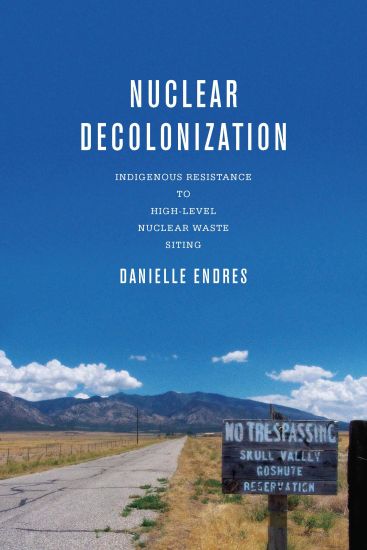
While research demonstrates how Indigenous populations have been disproportionately affected by the global nuclear production complex, less attention has been given to tactics that have successfully resisted such projects. Danielle Endres's Nuclear Decolonization shifts the conversation around nuclear colonialism in important ways, offering an account of how the Western Shoshone, Southern Paiute, and Skull Valley Goshute peoples and nations prevented two high-level nuclear waste sites from being built on their lands. Using a decolonial approach, Endres highlights two sets of rhetorical tactics-Indigenous Lands rhetorics and national interest rhetorics-used to fight nuclear colonialism. The book reframes nuclear decolonization as fundamentally a struggle for the return of Indigenous lands while also revealing how Native activists selectively move between Indigenous nationhood and US citizenship in order to resist settler decision-making. Working at the intersection of Indigenous antinuclear advocacy, Indigenized environmental justice, and decolonization, Nuclear Decolonization centers Native activism and voices while amplifying the power and resilience of Indigenous peoples and nations.
Nuclear Decolonization

Nuclear Decolonization

Danielle Endres

OHIO STATE UNIVERSITY PRESS
2023
pokkari
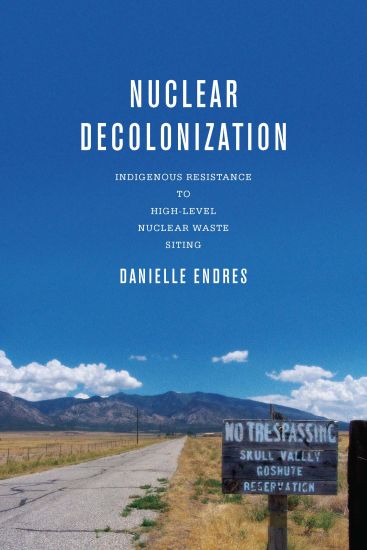
While research demonstrates how Indigenous populations have been disproportionately affected by the global nuclear production complex, less attention has been given to tactics that have successfully resisted such projects. Danielle Endres's Nuclear Decolonization shifts the conversation around nuclear colonialism in important ways, offering an account of how the Western Shoshone, Southern Paiute, and Skull Valley Goshute peoples and nations prevented two high-level nuclear waste sites from being built on their lands. Using a decolonial approach, Endres highlights two sets of rhetorical tactics--Indigenous Lands rhetorics and national interest rhetorics--used to fight nuclear colonialism. The book reframes nuclear decolonization as fundamentally a struggle for the return of Indigenous lands while also revealing how Native activists selectively move between Indigenous nationhood and US citizenship in order to resist settler decision-making. Working at the intersection of Indigenous antinuclear advocacy, Indigenized environmental justice, and decolonization, Nuclear Decolonization centers Native activism and voices while amplifying the power and resilience of Indigenous peoples and nations.
Participatory Critical Rhetoric

Participatory Critical Rhetoric

Michael Middleton; Aaron Hess; Danielle Endres; Samantha Senda-Cook

Lexington Books
2017
nidottu
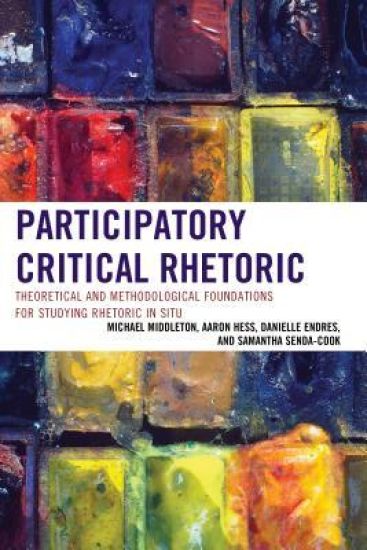
Increasingly, rhetorical scholars are using fieldwork and other ethnographic, performance, and qualitative methods to access, document, and analyze forms of everyday in situ rhetoric rather than using already documented texts. In this book, the authors argue that participatory critical rhetoric, as an approach to in situ rhetoric, is a theoretically, methodologically, and praxiologically robust approach to critical rhetorical studies. This book addresses how participatory critical rhetoric furthers understanding of the significant role that rhetoric plays in everyday life through expanding the archive of rhetorical practices and texts, emplacing rhetorical critics in direct conversation with rhetors and audiences at the moment of rhetorical invention, and highlighting marginalized voices that might otherwise go unnoticed. This book organizes the theoretical and methodological foundations of participatory critical rhetoric through four vectors that enhance conventional rhetorical approaches: 1) the political commitments of the critic; 2) rhetorical reflexivity and the role of the embodied critic; 3) emplaced rhetoric and the interplay between the field, text, and context; and 4) multiperspectival judgment that is informed by direct participation with rhetors and audiences. In addition to laying the groundwork and advocating for the approach, Participatory Critical Rhetoric also offers significant contributions to rhetorical theory and criticism more broadly by revisiting the field’s understanding of core topics such as role of the critic, text/context, audience, rhetorical effect, and the purpose of criticism. Further, it enhances theoretical conversations about material rhetoric, place/space, affect, intersectional rhetoric, embodiment, and rhetorical reflexivity.
Participatory Critical Rhetoric

Participatory Critical Rhetoric

Michael Middleton; Aaron Hess; Danielle Endres; Samantha Senda-Cook

Lexington Books
2015
sidottu
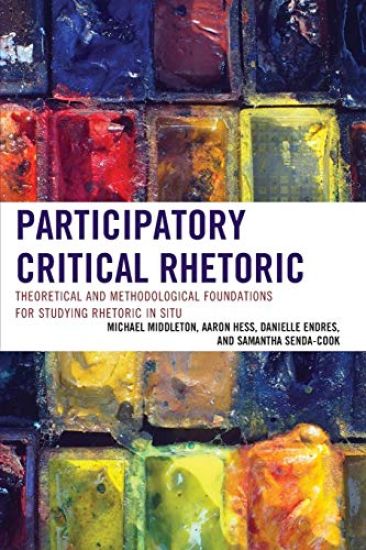
Increasingly, rhetorical scholars are using fieldwork and other ethnographic, performance, and qualitative methods to access, document, and analyze forms of everyday in situ rhetoric rather than using already documented texts. In this book, the authors argue that participatory critical rhetoric, as an approach to in situ rhetoric, is a theoretically, methodologically, and praxiologically robust approach to critical rhetorical studies. This book addresses how participatory critical rhetoric furthers understanding of the significant role that rhetoric plays in everyday life through expanding the archive of rhetorical practices and texts, emplacing rhetorical critics in direct conversation with rhetors and audiences at the moment of rhetorical invention, and highlighting marginalized voices that might otherwise go unnoticed. This book organizes the theoretical and methodological foundations of participatory critical rhetoric through four vectors that enhance conventional rhetorical approaches: 1) the political commitments of the critic; 2) rhetorical reflexivity and the role of the embodied critic; 3) emplaced rhetoric and the interplay between the field, text, and context; and 4) multiperspectival judgment that is informed by direct participation with rhetors and audiences. In addition to laying the groundwork and advocating for the approach, Participatory Critical Rhetoric also offers significant contributions to rhetorical theory and criticism more broadly by revisiting the field’s understanding of core topics such as role of the critic, text/context, audience, rhetorical effect, and the purpose of criticism. Further, it enhances theoretical conversations about material rhetoric, place/space, affect, intersectional rhetoric, embodiment, and rhetorical reflexivity.