Kirjojen hintavertailu – 12 903 725 kirjaa ja 27 kauppaa

Kirjailija

David A. Aaker

Kirjat ja teokset yhdessä paikassa: 16 kirjaa, julkaisuja vuosilta 1991–2023, suosituimpiin kuuluu Managing Brand Equity. Vertaile teosten hintoja ja tarkista saatavuus suomalaisista kirjakaupoista.

16 kirjaa

Kirjojen julkaisuvuodet: 1991–2023.

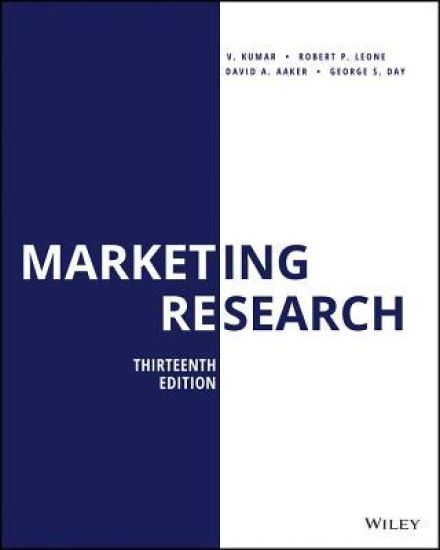
Marketing Research

Marketing Research

V. Kumar; Robert P. Leone; David A. Aaker; George S. Day

JOHN WILEY SONS INC
2020
nidottu
Marketing Research, 13th Edition presents a clear and comprehensive introduction to the field, with a strong focus on methodologies and the role of market research in strategic decision making. Employing a unique macro-micro-macro approach, the text begins with a broad overview of market research and its place within—and value to—an organization, before zooming in to detail the granular view of the research process. Step-by-step explanations cover the latest methodologies and current practices, highlighting advanced techniques as well as their limitations and potential benefits, followed by a high-level discussion of research applications. An emphasis on real-world processes is underscored by end-of-chapter cases, allowing students to apply what they’ve learned in the context of real-life examples covering a broad range of products and organizations. This practical approach promotes engagement while building essential critical analysis, interpretation, and decision-making skills, preparing students to recognize potential research applications, alternatives where they exist, and the quality of research at hand. By pulling together market intelligence, strategy, theory, and application, this text helps students build a deep understanding while retaining the big picture perspective.
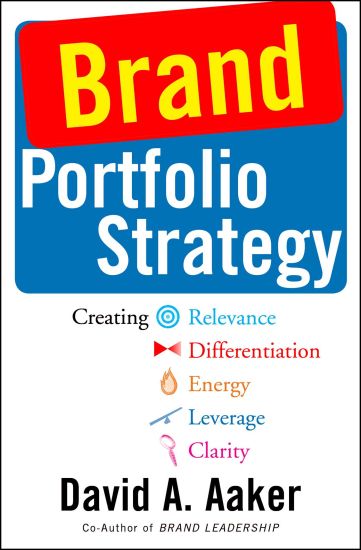
Brand Portfolio Strategy

Brand Portfolio Strategy

David A. Aaker

Simon Schuster
2020
pokkari

Halvin toimitettuna 29,50 €

In this long-awaited book from the world’s premier brand expert and author of the seminal work Building Strong Brands, David Aaker shows managers how to construct a brand portfolio strategy that will support a company’s business strategy and create relevance, differentiation, energy, leverage, and clarity. Building on case studies of world-class brands such as Dell, Disney, Microsoft, Sony, Dove, Intel, CitiGroup, and PowerBar, Aaker demonstrates how powerful, cohesive brand strategies have enabled managers to revitalize brands, support business growth, and create discipline in confused, bloated portfolios of master brands, subbrands, endorser brands, cobrands, and brand extensions. Renowned brand guru Aaker demonstrates that assuring that each brand in the portfolio has a clear role and actively reinforces and supports the other portfolio brands will profoundly affect the firm’s profitability. Brand Portfolio Strategy is required reading not only for brand managers but for all managers with bottom-line responsibility to their shareholders.
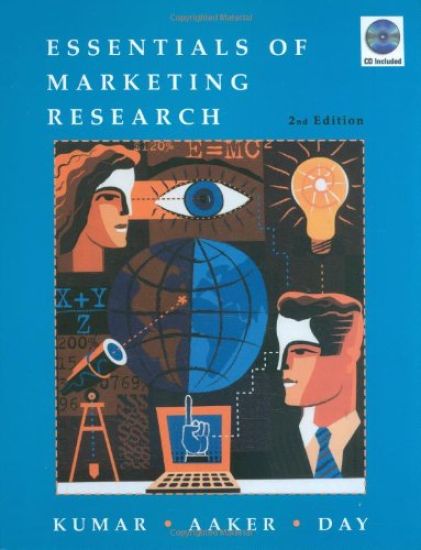
Essentials of Marketing Research, 2nd Edition with SPSS 17.0

Essentials of Marketing Research, 2nd Edition with SPSS 17.0

V. Kumar; David A. Aaker; George S. Day

John Wiley Sons
2019
sidottu
Part I The Nature and Scope of Marketing Research. Chapter 1 A Decision–Making Perspective on Marketing Research. Learning Objectives. Introduction. Role of Marketing Research in Managerial Decision Making. Factors That Influence Marketing Research Decisions. Using Marketing Research: Does It Guarentee Success. Marketing Intelligence in Amazon.com Ethics in Marketing Research. International Marketing Research. Marketing Intelligence. Summary. Key Terms. Review Points. Questions and Problems. Endnotes. Case1–1: Ethics Dilemmas in Marketing Research. Case 1–2 Del in Latin America? Chapter 2 Marketing Research in Practice. Learning Objectives. Information Systems, Design Support Systems and Marketing Research. Marketing Decisions Support Systems. Suppliers of Information. Management of Marketing Research. Criteria for Selecting External Suppliers, The International Marketing Research Industry. Career Opportunities in Marketing Research. Summary. Key Terms. Review Points. Questions and Problems. Endnotes. Appendix: Careers in Marketing Research. Case 2–1: Philip Morris Enters Turkey. Chapter 3 The Marketing Research Process. Learning Objectives. Overview of the Marketing Research Process. The Preliminary Stages of the Marketing Research Process. Tasty Ice Cream: A Case Example of Market Intelligence. The International Marketing Research Process. Summary. Key Terms. Review Points. Questions and Problems. Endnotes. Case 3–1: A Vide Ocart Test for Bestway Stores. Case 3–2: Philips Electronics NV. Chapter 4 Research Design and Implementation. Learning Objectives. Research Approach. Tasty Ice Cream: A Case Example of Market Intelligence (continued). Research Tactics and Implementation. Budgeting and Scheduling the Research Project. Research Proposal. Designing International Marketing Research. Issues in International Research Design. Summary. Key Terms. Review Points. Questions and Problems. Endnotes. Case 4–1: Reynold’s Tobacco’s Slide–Box Cigarettes. Case 4–2: California Foods Corporation. Case for Part I Case I–1: Jones Inc. Appendix A: Errors in Research Design. Appendix B: Experimental Research. Part II Data Collection. Chapter 5 Secondary and Standardized Sources of Marketing Data. Learning Objectives. Introduction to Secondary Data. Internal Sources of Secondary Data. External Sources of Secondary Data. Census Data. Standard Industrial Classification System. Appraising Secondary Sources. Applications of Secondary Data. Sources of Secondary Data for International Marketing Research. Problems Associated with Secondary Data in International Research. Applications of Secondary Data in International Research. Introduction to Standardized Sources of Marketing Data. Retail Store Audits. Consumer Purchase Panels. Scanner Services and Single–Source Systems. Media–Related Standardized Sources. Applications of Standardized Sources of Data. Summary. Key Terms. Review Points. Questions and Problems. Endnotes. Case 5–1: Barkley Foods. Case 5–2: Kerry Gold Products, LTD. Chapter 6 Marketing Research on the Internet. Learning Objectives. What is Internet? Characteristics of the Internet. Profile of Web Users. WWW Information for Marketing Decisions. The Internet and Marketing Research Today. Tasty Ice–Cream: A Case Example of Market intelligence (continued) How to Search for Information on the Web The Ethical Standpoint for the Internet The Internet and Marketing Research. Summary. Key Terms. Review Points. Questions and Problems. Endnotes. Case 6–1: Caring Children’s Hospital Appendix: The Components of the Internet. Chapter 7 Information Collection: Qualitative and Observational Methods. Learning Objectives. Need for Qualitative Research. Qualitative Research Methods. Observational Methods. Recent Applications of Qualitative and Observational Methods. Summary. Key Terms. Review Points. Questions and Problems. Endnotes. Case 7–1: Mountain Bell Telephone Company. Case 7–2: Acura. Chapter 8 Information from Respondents: Issues in Data Collection. Learning Objectives. Information from Surveys. Sources of Survey Error. Methods of Data Collection. Collecting Data. Tasty Ice–Cream: A Case Example of Market Intelligence (continued) Surveys in the International Context. Factors Affecting the Choice of a Survey Method. Ethical Issues in Data Collection. Summary. Key Terms. Review Points. Questions and Problems. Endnotes. Case 8–1: Essex Markets (A) Case 8–2: More Ethical Dilemmas in Marketing Research. Chapter 9 Attitude Measurement. Learning Objectives. What are Attitudes? The Concept of Measurement and Scaling. Properties of Measurement Scales. Types of Attitude Rating Scales. General Guidelines for Developing a Multiple–Item Scale. Interpreting Attitude Scales. Choosing an Attitudinal Scale. Accuracy of Attitude Measurements. Scales in Cross–National Research. Summary. Key Terms. Review Points. Questions and Problems. Endnotes. Case 9–1: Wine Horizons. Case 9–2: National Kitchens. Chapter 10 Designing the Questionnaire Learning Objectives. Planning What to Measure. Translating Research Objectives into Information Requirements. Question Wording: A Problem of Communication. Questionnaire Design for International Research. Summary. Key Terms. Review Points. Questions and Problems. Endnotes. Case 10–1: Smith’s Clothing. Case 10–2: Compact Lemon. Chapter 11 Sampling Fundamentals. Learning Objectives. Sample or Census. Sampling Process. Probability Sampling. Nonprobability Sampling. Sample Size: Effect of Sample Size on Sampling Distributions. Determining the Sample Size: Ad Hoc Methods. Population Characteristics/Parameters. Sample Characteristics/Statistics. Sample Reliability. Sample Size Question. Nonresponse Problems. Sampling in the International Context. Summary. Key Terms. Review Points. Questions and Problems. Endnotes. Appendix A: Determing Sample Statistics. Appendix B: Shopping Center Sampling. Case 11–1: Pacific Gas & Electric (A). Case 11–2: Currency Concepts International. Part III Data Analysis. Chapter 12 Fundamentals of Data Analysis. Learning Objectives. Preparing the Data for Analysis. Strategy for Data Analysis. Cross–Tabulations. Factors Influencing the Choice of a Statistical Technique. An Overview of Statistics Techniques Presenting the Results. Tasty Ice–Cream: A Case Example of Market Intelligence (continued). Summary. Key Terms. Review Points. Questions and Problems. Endnotes. Chapter 13 Hypothesis Testing. Learning Objectives. The Logic of Hypothesis Testing: An Illustrative Example. Steps in Hypothesis Testing. Basic Concepts of Hypothesis Testing. Cross–Tabulation and Chi–Square. Means and Proportions. Relationships Between Confidence Interval and Hypothesis Testing. Analysis of Variance (ANOVA) Summary. Key Terms. Review Points. Questions and Problems. Endnotes. Case 13–1: Medical Systems Associates: Measuring Patient Satisfaction. Case 13–2: American Conservatory Theater. Chapter 14 Correlation Analysis and Regression Analysis. Learning Objectives. Correlation Analysis. Regression Analysis. Summary. Key Terms. Review Points. Questions and Problems. Endnotes. Case 14–1: The Seafood Grotto. Case 14–2: Ajax Advertising Agency. Case 14–3: Election Research, Inc. Case for Part III Case III–1: The Vancover Symphony Orchestra. Appendix. Part IV Applications. Chapter 15 Presenting the Results. Learning Objectives. Guidelines for Successful Presentations. Written Presentation. Oral Presentation. Relationship with the Client. Summary. Review Points. Questions and Problems. Endnotes. Chapter 16 Applications of marketing Research. Learning Objectives. Section I: Traditional Applications of Marketing Research: Product, Price, Distribution, and Promotion. Section II: Contemporary Applications of Marketing Research. Section III: Emerging Applications of Marketing Research: Database marketing and Relationship Marketing. Summary. Key Terms. Review Points. Questions and Problems. Endnotes. Case 16–1: Brown Microwave. Case 16–2: National Chemical Corporation. Case for Part IV Case IV–1: Levi Strauss & Co. Appendix. Table A–1 Standard Normal Probabilities. Table A–2 x2 Critical Points. Table A–3 F Critical Points. Table A–4 Cut–off Points for the Student’s t distribution. A–5 Procedure for Conducting Univariate and Multivariate Analysis in SPSS. Glossary. Index.
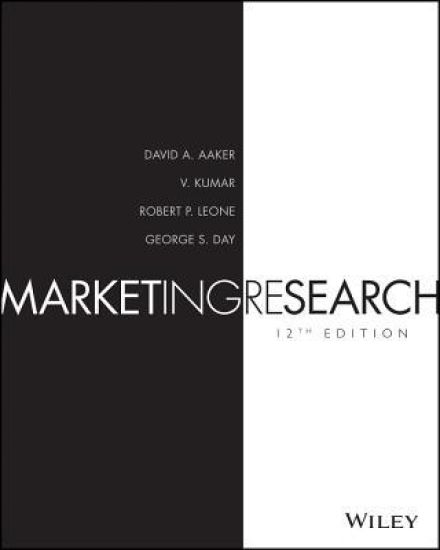
Marketing Research

Marketing Research

David A. Aaker; V. Kumar; Robert P. Leone; George S. Day

John Wiley Sons Inc
2017
nidottu
Marketing Research prepares marketing students to make data driven business decisions. With a focus on market intelligence, strategy, theory and application, the authors introduce the latest developments in the field of marketing research and discuss their impact on marketing research applications––all in a macro–micro framework to help students understand the big picture.
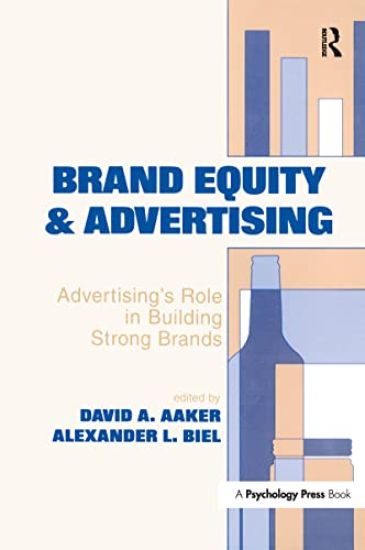
Brand Equity & Advertising

Brand Equity & Advertising

David A. Aaker; Alexander L. Biel

Psychology Press Ltd
2016
sidottu
The tenth annual Advertising and Consumer Psychology Conference held in San Francisco focused on branding -- a subject generating intense interest both in academia and in the "real world." The principle theory behind these conferences is that much can be gained by joining advertising and marketing professionals with academic researchers in advertising. Professionals can gain insight into the new theories, measurement tools and empirical findings that are emerging, while academics are stimulated by the insights and experience that professionals describe and the research questions that they pose. This book consists of papers delivered by experts from academia and industry discussing issues regarding the role of advertising in the establishment and maintenance of brand equity -- making this volume of interest to advertising and marketing specialists, as well as consumer and social psychologists.
Markenrelevanz

Markenrelevanz

David A. Aaker

Wiley-VCH Verlag GmbH
2013
sidottu
Die meisten Marketingstrategien zielen darauf ab, dass Produkte oder Dienstleistungen der eigenen Marke denen der Wettbewerber vorgezogen werden. Tatsächlich führt jedoch Marketing nach dem Motto "Meine Marke ist besser als deine Marke" in den seltensten Fällen zu signifikantem Absatzwachstum. Und dabei ist es völlig gleichgültig, wie hoch das Budget oder wie clever die Durchführung ist. Echtes Wachstum entsteht fast immer nur aus substanziellen oder sogar revolutionären Innovationen, die ein oder mehrere "Must-haves" für die Kunden erzeugen. Diese definieren dann eine neue Kategorie oder Subkategorie, in der die Wettbewerber nur schwach vertreten oder überhaupt nicht relevant sind. Das Buch von David Aaker zeigt, wie es Unternehmen und Marken aus den unterschiedlichsten Branchen, wie Bionade, Gilette, IBM, IKEA, Nivea und (natürlich) Apple, gelungen ist, sich vom Wettbewerb um Markenpräferenz abzuwenden, und wie sie stattdessen dafür sorgen, dass ihre Marken Relevanz und Dominanz auf den betreffenden Märkten erlangen. Es gibt Dutzende von Strategiebüchern, die sich in irgendeiner Weise mit Wachstumsstrategien auf der Grundlage von Innovationen befassen. David Aakers Buch - erstmals auf Deutsch und mit europäischen Fallbeispielen - weist jedoch mehrere einzigartige Denkansätze auf: Erstens liegt der Fokus auf Marken und den zugehörigen Methoden der Markenführung. Zweitens wird ein Schwerpunkt auf die Errichtung von Barrieren im Wettbewerbsumfeld gelegt, mit denen das eigene Unternehmen für einen längeren Zeitraum davon profitieren kann, dass die Wettbewerber kaum eine Rolle spielen. Und drittens werden substanzielle und revolutionäre Innovationen explizit als der Weg zur Schaffung neuer Kategorien und Subkategorien angesehen.
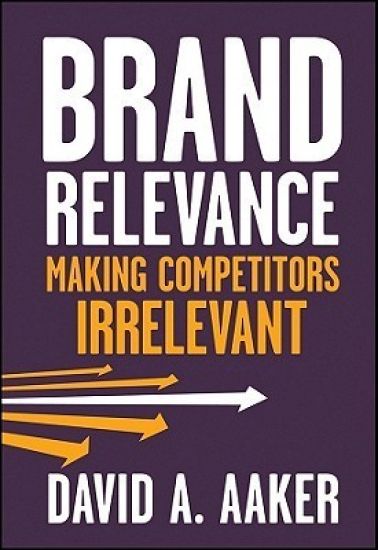
Brand Relevance

Brand Relevance

David A. Aaker

John Wiley Sons Inc
2011
sidottu
Branding guru Aaker shows how to eliminate the competition and become the lead brand in your market This ground-breaking book defines the concept of brand relevance using dozens of case studies-Prius, Whole Foods, Westin, iPad and more-and explains how brand relevance drives market dynamics, which generates opportunities for your brand and threats for the competition. Aaker reveals how these companies have made other brands in their categories irrelevant. Key points: When managing a new category of product, treat it as if it were a brand; By failing to produce what customers want or losing momentum and visibility, your brand becomes irrelevant; and create barriers to competitors by supporting innovation at every level of the organization. Using dozens of case studies, shows how to create or dominate new categories or subcategories, making competitors irrelevantShows how to manage the new category or subcategory as if it were a brand and how to create barriers to competitorsDescribes the threat of becoming irrelevant by failing to make what customer are buying or losing energyDavid Aaker, the author of four brand books, has been called the father of branding This book offers insight for creating and/or owning a new business arena. Instead of being the best, the goal is to be the only brand around-making competitors irrelevant.
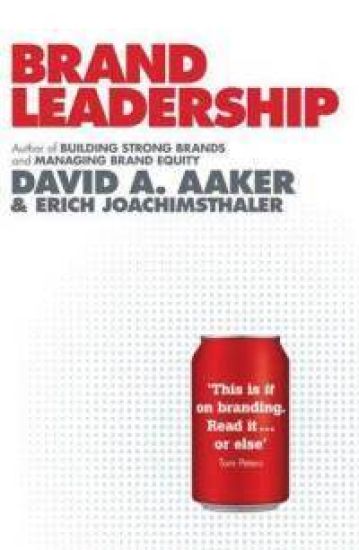
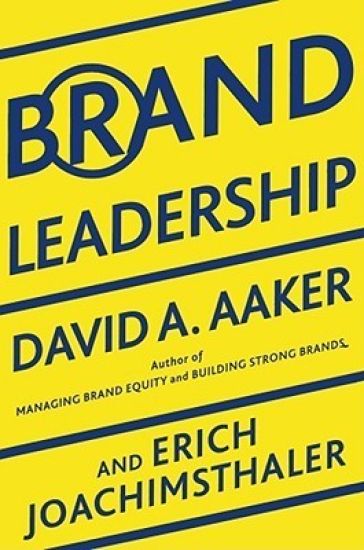
Brand Leadership

Brand Leadership

David A. Aaker; Erich Joachimsthaler

The Free Press
2009
pokkari
A dozen management fads have come and gone in the past decade, but brand equity, first explored by David Aaker in the late 1980s, has exploded in importance. Recognized by "Brandweek" as "the dean of the brand-equity movement," Aaker now prepares managers for the next level of the brand revolution -- brand leadership. For the first time, Aaker and coauthor Erich Joachimsthaler describe how the emerging paradigm of strategic brand leadership is replacing the classic, tactically oriented brand management system pioneered by Procter & Gamble. This fundamental shift involves nothing less than a revolution in organizational structure, systems, and culture -- as the authors demonstrate with hundreds of case studies from companies such as Polo Ralph Lauren, Virgin Airlines, Adidas, GE, Marriott, IBM, McDonald's, Maggi, and Swatch. This immensely readable book provides the brand management team with the capability to: Create and elaborate brand identities (what should the brand stand for) Use the brand relationship spectrum, a powerful tool to harness subbrands and endorsed brands to form brand architectures that create clarity, synergy and leveraged assets Identify the customer "sweet spot" and the driving idea that will move brand-building efforts beyond advertising to break out of the clutter Use the Internet and sponsorship to make brands resources work more effectively Address the four imperatives of global brand management Like David Aaker's two previous bestselling books, "Brand Leadership" will be essential reading for line executives and brand managers in market-driven firms worldwide.
Spanning Silos

Spanning Silos

David A. Aaker

Harvard Business Review Press
2008
sidottu

Halvin toimitettuna 31,60 €

Powerful product, country, and functional silos are jeopardizing companies' marketing efforts. Because of silos, firms misallocate resources, send inconsistent messages to the marketplace, and fail to leverage scale economies and successes--all of which can threaten a company's survival. As David Aaker shows in Spanning Silos, the unfettered decentralization that produces silos is no longer feasible in today's marketplace. It's up to chief marketing officers to break down silo walls to foster cooperation and synergy. This isn't easy: silo teams guard their autonomy vigorously. As proof of their power, consider the fact that the average CMO tenure is just twenty-three months. How to proceed? Drawing on interviews with CMOs, Aaker explains how to: Strength your credibility with silo teams and your CEO Use cross-functional teams and other strategic linking devices Foster communication across silos Select the right CMO role-- from facilitator to strategic captain Develop common planning processes Adapt your brand strategy to silo units Allocate marketing dollars strategically across silos Develop silo-spanning marketing programs In this age of dynamic markets, new media, and globalization, getting the different parts of your organization to collaborate is more critical--and more difficult--than ever. This book gives you the road map you need to accomplish that feat.
Developing Business Strategies

Developing Business Strategies

David A. Aaker

John Wiley Sons Inc
2001
sidottu
"Unquestionably the most comprehensive treatment available on the subject. I found this book unique in its capacity to benefit executives, planning staff, and students of strategy alike."–– Robert L. Joss, Dean of the Graduate School of Business, Stanford University A successful business strategy enables managers to provide organizational vision, monitor and understand a dynamic business environment, generate creative strategic options in response to environmental changes, and base every business effort on sustainable competitive advantages. Developing Business Strategies provides the knowledge and understanding needed to generate and implement such a strategy. This fully revised and updated edition of David Aaker’s highly influential strategic manual offers copious new information on important emerging business topics. Numerous new and revised sections cover such critical areas as the big idea, knowledge management, the customer as an active partner, creative thinking, distinguishing fads from trends, forecasting technologies, alliances, design as strategy, downstream business models, and more. Other important new features of this comprehensive guide include: *A new chapter on strategic positioning *Many new illustrative examples from B-to-B, high-tech, and the Internet *Increased focus on global leadership and global brand management *Using the Internet to develop and support business strategies For managers who need to develop and implement effective, responsive business strategies that keep the organization competitive through changing business conditions, Developing Business Strategies, Sixth Edition is the way to go.
Brand Equity & Advertising

Brand Equity & Advertising

David A. Aaker; Alexander L. Biel

Psychology Press
1993
nidottu
The tenth annual Advertising and Consumer Psychology Conference held in San Francisco focused on branding -- a subject generating intense interest both in academia and in the "real world." The principle theory behind these conferences is that much can be gained by joining advertising and marketing professionals with academic researchers in advertising. Professionals can gain insight into the new theories, measurement tools and empirical findings that are emerging, while academics are stimulated by the insights and experience that professionals describe and the research questions that they pose. This book consists of papers delivered by experts from academia and industry discussing issues regarding the role of advertising in the establishment and maintenance of brand equity -- making this volume of interest to advertising and marketing specialists, as well as consumer and social psychologists.
Managing Brand Equity

Managing Brand Equity

David A. Aaker

JOHN WILEY SONS INC
1991
sidottu
The most important assets of any business are intangible: its company name, brands, symbols and slogans and their underlying association, perceived quality, name awareness, and customer base. These assets, which comprise brand equity, are a primary source of competitive advantage and future earnings, contends David Aaker, a national authority on branding. Yet, research shows that managers cannot identify with confidence their brand associations, level of consumer awareness, or degree of customer loyalty. Moreover, in the last decade, managers desperate for short-term financial results have often unwittingly damaged their brands through price promotions and unwise brand extensions, causing irreversible deterioration of the value of the brand name. In an examination of the phenomenon of brand equity, Aaker provides a structure of the relationship between a brand and its symbol and slogan, as well as each of the five underlying assets, which will clarify for managers exactly how brand equity does contribute value. The author opens each chapter with an historical analysis of either the success or failure of a particular company's attempt at building brand equity: the fascinating ivory soap story; the transformation of Datsun to Nissan; the decline of Schlitz beer; the making of the Ford Taurus; and others. Finally, with dozens of additional real company examples, Aaker shows how to avoid the temptation to place short-term performance before the health of the brand and, instead, to manage brands strategically by creating, developing, and exploiting each of the five assets in turn.