Kirjojen hintavertailu – 12 859 819 kirjaa ja 27 kauppaa

Kirjailija

David A. Sousa

Kirjat ja teokset yhdessä paikassa: 15 kirjaa, julkaisuja vuosilta 2007–2024, suosituimpiin kuuluu Brain-Compatible Activities, Grades K-2. Vertaile teosten hintoja ja tarkista saatavuus suomalaisista kirjakaupoista.

15 kirjaa

Kirjojen julkaisuvuodet: 2007–2024.

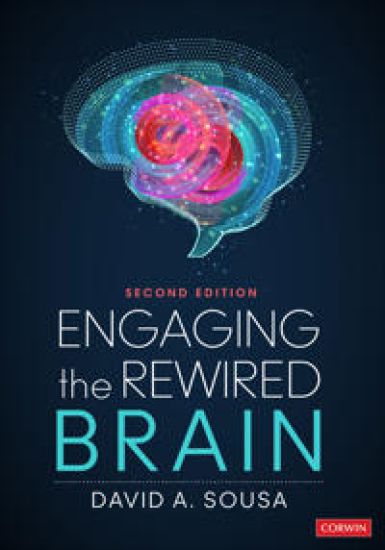
Engaging the Rewired Brain

Engaging the Rewired Brain

David A. Sousa

SAGE PUBLICATIONS INC
2024
nidottu
Technology is not only affecting students’ brains—it is TRANSFORMING them! In a world where technology is increasingly dominant, it is critical to understand how it affects students' brains and behavior—for better and for worse. This new edition from bestselling educational neuroscience author David Sousa offers research-based, practical solutions and serves as a framework for educators who want to effectively leverage technology to enhance student learning in an environment that demands constant engagement and stimulation. Inside you’ll discover The impact of technology on students' brains, including how technology affects cognition, memory, attention, and behavior Strategies for using technology to improve students’ social and emotional skills New information on artificial intelligence, the after-effects of the pandemic, gaming, and productive struggle A glossary of terms and a resources section to connect educators with supplemental materials and information Students are engaging with technology in new ways every day, and educators must shift their instructional practices accordingly. Engaging the Rewired Brain is a must-read for today’s educators and parents striving to understand technology's impact on the developing brain and prepare today's learners for an increasingly complex future.
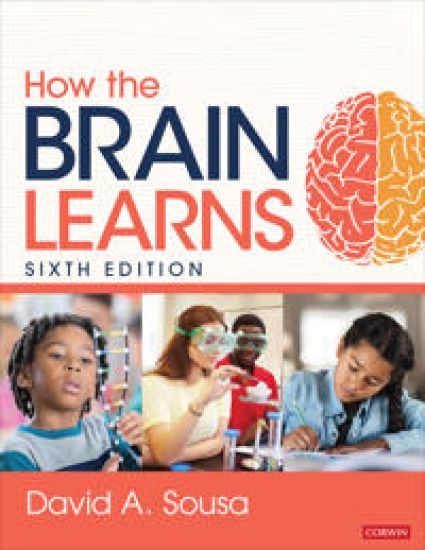
How the Brain Learns

How the Brain Learns

David A. Sousa

SAGE PUBLICATIONS INC
2022
nidottu
Deliver game-changing—and brain-changing—results for your students Research on the brain continues to evolve, providing fresh insights educators can use to guide students toward success. In the sixth edition of this international bestseller, world-renowned educational neuroscience consultant David Sousa once again translates that research into concrete actions and strategies for the classroom. Featuring important updates and brand-new findings, the latest edition includes: A new section on the expansion of SEL to SECL, integrating the cognitive component of social-emotional learningAdditional research on mindsets—including cautionsEffective, brain-compatible ways to safely use social media and online learningNew information on the importance of student engagement, especially through academic teamsConnections between Bloom’s Taxonomy and current instructional strategies, such as teaming and project/maker learning Whether you’re already a fan of brain-compatible learning or just getting started on this exciting approach to teaching and learning, How the Brain Learns will set your neurons firing—and give you the tools you need to help students succeed.
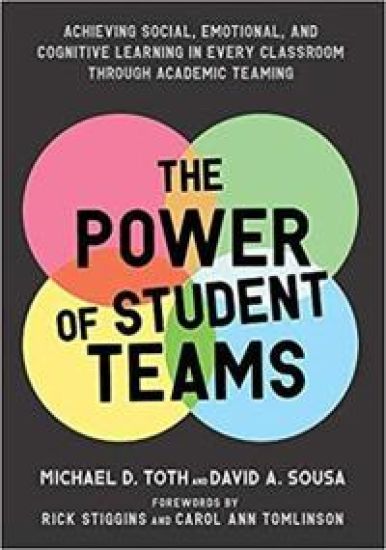
The Power of Student Teams

The Power of Student Teams

Michael D. Toth; David A. Sousa

Learning Sciences International
2019
nidottu
In many classrooms, the teacher’s role is to talk and the student’s role is to listen. Whose brain is doing most of the work in this scenario? Authors Michael D. Toth and David A. Sousa present an alternative: a new pedagogical model called student-led academic teaming. In academic teams, students collaborate, peer coach, and peer teach while engaging in rigorous, standards-based tasks—a combination that leads to true social, emotional, and cognitive learning (SECL). The simple truth is student-led academic teaming elevates core instruction to a level of rigor far beyond that of traditional classrooms and familiar grouping strategies. This book includes a groundbreaking 10,000-student research study on a large urban district where teaming raised achievement across the board, and narrowed achievement gaps for African-American students, English Language Learners, and students with special needs. Toth and Sousa describe here a path to predictable success for every student, in every classroom, in every school—all backed by student data, neuroscience research, and experiences from superintendents, school leaders, teachers, and students who have made the shift. Teach for the 21st?century through the power of student teams. This is the last major school reform you will ever have to make.
Brainwork: The Neuroscience Behind How We Lead Others (Understanding and Applying Neuroleadership, the Neuroscience of Leadership)
Through engaging stories and studies, the author shows you how to leverage the most provocative neuroscience research to increase your productivity, expand your creative vision, and become a stronger leader. By dispelling brain myths and applying an understanding of how the brain perceives, plans, and influences behavior, you'll transform your leadership, organizational management, and impact. The neuroscience and leadership topics addressed in this book will help you: Deal with information overload and ignore irrelevant information to improve your decision-making process Cultivate and develop creativity and solve problems by thinking differently Increase your emotional intelligence to work and build relationships with colleagues effectively Control stress in the workplace and manage the emotions of a crisis Nurture a healthy brain by understanding the impact of diet, exercise, and sleep on your mental wellness Contents: Introduction Chapter 1: The Curse of Too Much Information Chapter 2: The Myth of Multitasking Chapter 3: Respecting the Emotional Brain Chapter 4: Improving Your Thinking Chapter 5: Leading by Dissent Chapter 6: Moral and Ethical Leadership Chapter 7: Taking Care of Your Brain Notes Bibliography Index About the Author
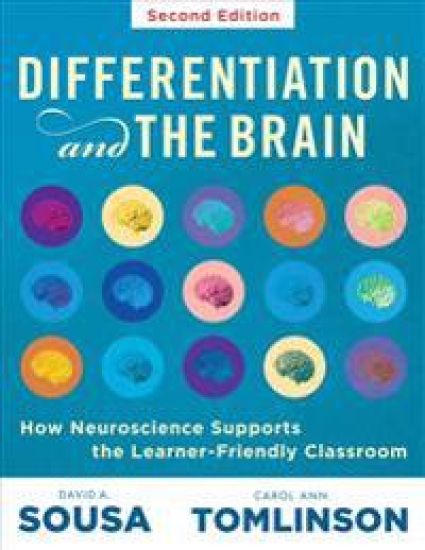
Differentiation and the Brain: How Neuroscience Supports the Learner-Friendly Classroom (Use Brain-Based Learning and Neuroeducation to Differentiate
Students are becoming more academically and culturally diverse, making it more important than ever to shift away from a one-size-fits-all approach and toward differentiated instruction. The second edition of this best-selling book will help you create truly effective, brain-friendly classrooms for all learners. The authors share an array of updated differentiated instruction examples, scenarios, and exercises, as well as the latest educational psychology research from cognitive psychology, neuroscience, and pedagogy. Learn more about teaching diverse learners using brain-based learning strategies: Explore how the brain learns and approaches to differentiated instruction. Sharpen your knowledge of developmental cognitive neuroscience and educational psychology to teach the best content in the best possible way. Use the knowledge of educational neuroscience (neuroeducation) to benefit the students you teach. Design and implement strategies for effective differentiated instruction. Create a positive and productive learning environment that supports diversity in the classroom. A joint publication of ASCD and Solution Tree Contents: Introduction Chapter 1: The Nonnegotiables of Effective Differentiation Chapter 2: Mindset, Learning Environment, and Differentiation Chapter 3: Curriculum and Differentiation Chapter 4: Classroom Assessment and Differentiation Chapter 5: Differentiating in Response to Student Readiness Chapter 6: Differentiating in Response to Student Interest Chapter 7: Differentiating in Response to Student Learning Profile Chapter 8: Managing a Differentiated Classroom References and Resources Index
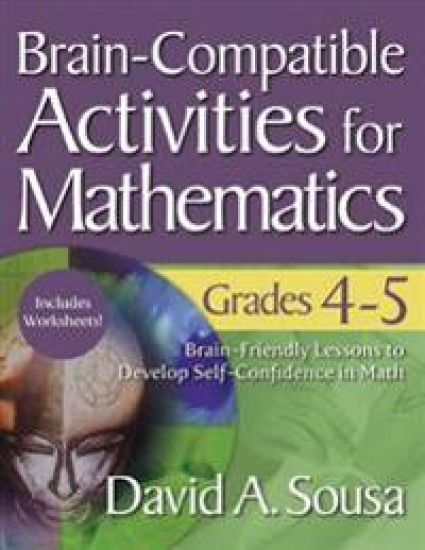
Brain-Compatible Activities for Mathematics, Grades 4-5
Brain-Compatible Activities for Mathematics, Grades 4?5 provides brain-friendly, ready-to-use mathematics lessons for the classroom. Teachers will find step-by-step guidance and all the necessary reproducible materials for mathematics instruction that involves group work, reflection, movement, and visualization. Through activities such as Scuba Division, Party Planners, Sunken Treasure, and Parachute Drop, intermediate learners will enjoy developing skills connected with multiplication and division, fractions and decimals, geometry and measurement, algebra, data analysis, and more. Aligned with NCTM standards and focal points, the instructional strategies enhance motivation and content retention, while addressing individual intelligences. Also included is instruction to: Promote writing as an important learning tool Use concrete models to make concepts meaningful Connect mathematical ideas to the real world Incorporate graphic organizers to help students organize their thinking Deepen and revitalize instruction using Sousa’s proven brain-compatible approach for helping every student develop self-confidence in mathematics!
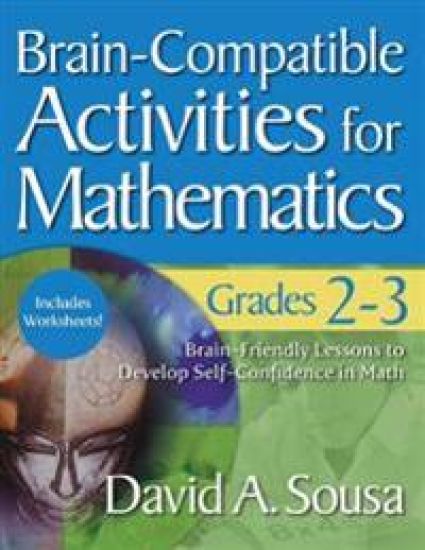
Brain-Compatible Activities for Mathematics, Grades 2-3
Demonstrating instructional principles discussed in David A. Sousa’s How the Brain Learns Mathematics, this resource provides brain-friendly, ready-to-use mathematics lessons for Grades 2?3. Teachers will find step-by-step guidance and all the necessary reproducible materials for mathematics instruction that involves group work, reflection, movement, and visualization. Through activities such as Jumping Jelly Beans, Math Hockey, and Treasure Hunt, young learners will enjoy developing skills connected with number patterns and place value, multi-digit addition and subtraction, multiplication and division, fractions, measurement, geometry, and more. Aligned with NCTM standards and focal points, the instructional strategies: Enhance motivation and content retention Address individual intelligences Promote writing as an important learning tool Use concrete models to make concepts meaningful Connect mathematical ideas to the real world Teach creative problem solving Deepen and revitalize instruction using Sousa’s proven brain-compatible approach for helping every student develop self-confidence in mathematics!
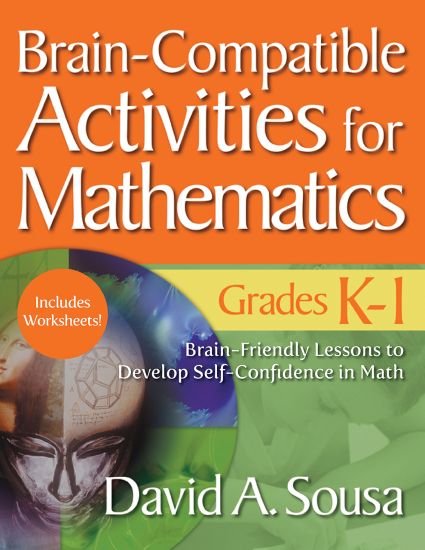
Brain-Compatible Activities for Mathematics, Grades K-1
Using principals from Dr. David A. Sousa’s How the Brain Learns Mathematics, this user-friendly resource provides easy, ready-to-use mathematics lessons for Kindergarten and first grade classrooms. Teachers will find step-by-step guidance and all the necessary reproducible materials for mathematics instruction that involves partners, group work, and class movement. Through activities such as Number Jingle and Math Detective, young learners will enjoy developing skills connected with whole numbers, addition and subtraction, geometrical shapes, measurement, number patterns, and more. Aligned with NCTM standards and focal points, the resources in this book aim to enhance students’ motivation and content retention. Further, the principals in this book: Address individual intelligences Use concrete models to make concepts meaningful Connect mathematical ideas to the real world Incorporate graphic organizers to help students organize their thinking Teach creative problem solving Deepen and revitalize instruction using Sousa’s proven brain-compatible approach for helping every child develop self-confidence in mathematics!
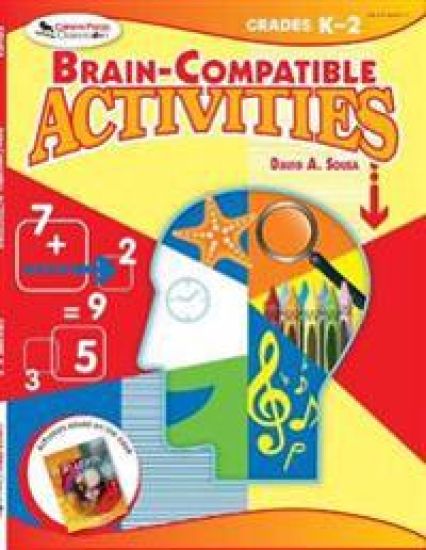
Brain-Compatible Activities, Grades K-2

Brain-Compatible Activities, Grades K-2

David A. Sousa

Skyhorse Publishing
2015
pokkari
Practical activities every elementary teacher can use. Features 96 pages of brain testing and expanding quizzes and tests for children in grades K-2 Brain research has provided a tremendous opportunity to develop instructional techniques that facilitate the brain’s innate learning capacity. Educators can take this knowledge and apply it to the strategies they use in their classrooms. This essential resource provides ready to use brain compatibility activities that feature some of the following strategies: Graphic organizers Mnemonic devises Cooperative learning Movement to enhance retention Music to stimulate brain activity. The more teachers understand how the brian learns, the more options we have. This unique resource helps you make the most of the brain’s learning potential and will help transform your teaching to help engage every student in your classroom.
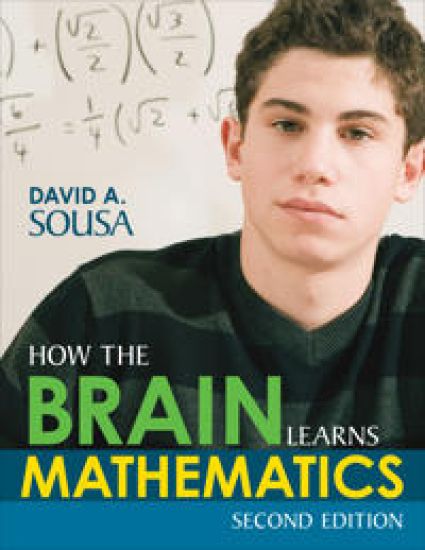
How the Brain Learns Mathematics

How the Brain Learns Mathematics

David A. Sousa

Corwin Press Inc
2015
nidottu
To reach all your math students, use your brain-and theirs, too! This updated bestseller takes readers to the next level with new brain-friendly strategies backed by the latest research and even more ways to seamlessly incorporate what you learn about your students' developing minds into your math classroom. Discover the cognitive mechanisms for learning math, explore factors that contribute to learning difficulties, and follow a four-step teaching model that relates classroom experience to real-world applications. Features include:New strategies for motivating adolescentsIntegration of the arts into mathematics instructionNew information on how technology affects attention and memoryExpanded sections on number sense and ELL instructionMore than 160 new references
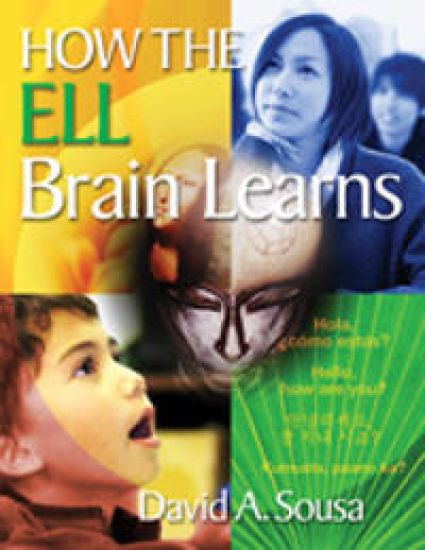
How the ELL Brain Learns

How the ELL Brain Learns

David A. Sousa

SAGE Publications Inc
2010
nidottu
a'This book is one of the best IAEve read on how the brain functions in second language learners and is invaluable for understanding ELLs with learning disabilities.'uIrma Guadarrama, ProfessorUniversity of Texas-Pan American College of Education 'David Sousa brings together all of the research about the brain to show the process of learning multiple languages and offers ways to implement effective teaching strategies with quality instruction.'uSharon Latimer, ESL TeacherPlano ISD, TXRaise your ELL success quotient and watch student achievement soar! Teachers are more likely to succeed if they have a deeper understanding of the challenges students face in trying to learn English and course content simultaneously. How the ELL Brain Learns combines current research on how the brain learns language with strategies for teaching English language learners in Ku12 classrooms. Award-winning author and brain research expert David A. Sousa describes the linguistic reorganization needed to acquire another language after the age of 5 years. He supplements this information with immediately applicable tools, including: A self-assessment pretest for gauging your understanding of how the brain learns languagesReady-to-use brain-compatible strategies for teaching English learners across the curriculum An entire chapter about how to detect English language learning problems, with sections on the social, cultural, and physical causesEach chapter features teaching tips that translate the research into step-by-step classroom applications. Also included are intervention strategies to use with struggling ELLs, including methods for working with older students.
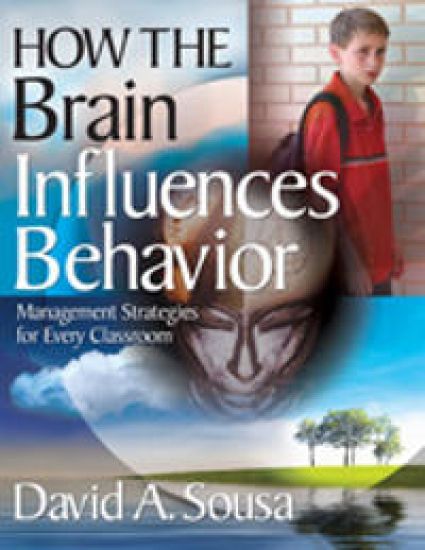
How the Brain Influences Behavior

How the Brain Influences Behavior

David A. Sousa

SAGE Publications Inc
2008
nidottu
Top-selling Corwin Press author David Sousa presents a new book that offers research-based insights about brain research and classroom management. How the Brain Influences Behavior helps teachers turn information on brain functions into practical classroom management strategies and activities. This resource includes basic brain facts that can help teachers assist students in behaving, information on how the brain's processes impact behavior, and tips on deterring inappropriate behaviour in the classroom.
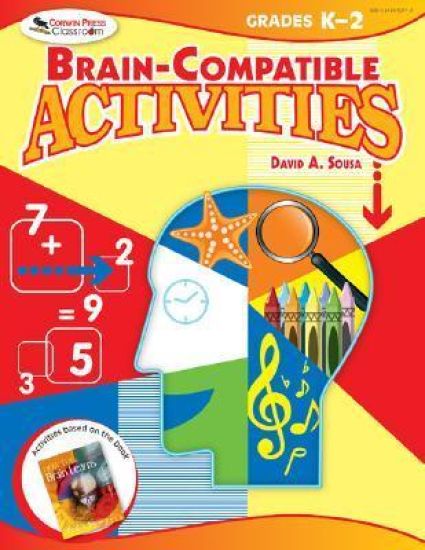
Brain-Compatible Activities, Grades K-2

Brain-Compatible Activities, Grades K-2

David A. Sousa

SAGE Publications Inc
2007
nidottu
A Corwin Press Classroom Activity BookPractical, brain-compatible activities every elementary teacher can use! Brain research has provided a tremendous opportunity to develop instructional techniques that facilitate the brain's innate learning capacity. As educators, we can take this knowledge and apply it to the strategies we use in our classrooms. This essential resource, based on David A. Sousa's best-seller How the Brain Learns, Third Edition, provides ready-to-use, brain-compatible activities that feature some of the following strategies:Graphic organizersMnemonic devicesCooperative learningMovement to enhance retentionMusic to stimulate brain activity and creativityThese activities, correlated with national standards, cover all the content areas in grades K–2 and include topics such as phonics, reading fluency, computation, money, community, scientific inquiry, and much more! The more we understand how the brain learns, the more instructional options we have. This unique resource helps you make the most of the brain's learning potential and transform your teaching practices to engage every student in your classroom. For other grade-specific Corwin Press Classroom books, please see:Brain-Compatible Activities, Grades 3-5 Brain-Compatible Activities, Grades 6-8 About the AuthorDavid A. Sousa, an international educational consultant, has served at all levels of education in New Jersey public schools, including superintendent, supervisor of instruction, K–12 director of science, and junior and senior high school science instructor. Sousa has also been an adjunct professor of education at Seton Hall University, and a visiting lecturer at Rutgers University. Sousa has presented at national conventions of educational organizations and has conducted workshops on brain research and science education in hundreds of school districts and at colleges and universities across the United States, Canada, Europe, and Asia. He has edited science books and published numerous books and articles in leading educational journals on staff development, science education, and brain research. Sousa has a bachelor of science degree in chemistry from Massachusetts State College at Bridgewater, a master of arts in teaching degree in science from Harvard University, and a doctorate from Rutgers University.
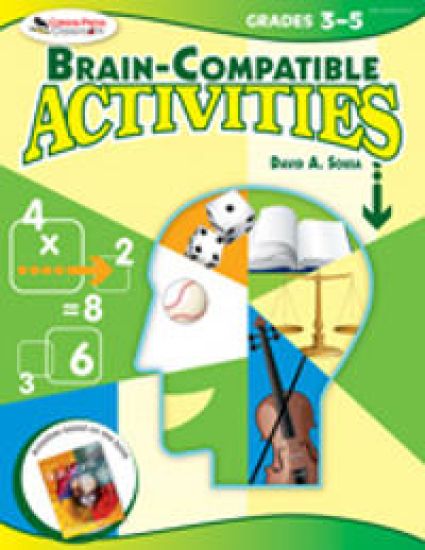
Brain-Compatible Activities, Grades 3-5

Brain-Compatible Activities, Grades 3-5

David A. Sousa

SAGE Publications Inc
2007
nidottu
A Corwin Press Classroom Activity BookPractical, brain-compatible activities every elementary teacher can use! Brain research has provided a tremendous opportunity to develop instructional techniques that facilitate the brain's innate learning capacity. As educators, we can take this knowledge and apply it to the strategies we use in our classrooms. This essential resource, based on David A. Sousa's best-seller How the Brain Learns, Third Edition, provides ready-to-use, brain-compatible activities that feature some of the following strategies:Graphic organizersMnemonic devicesCooperative learningMovement to enhance retentionMusic to stimulate brain activity and creativityThese activities, correlated with national standards, cover all the content areas in grades 3–5 and include topics such as word selection, poetry, reading fluency, geometry, negative numbers, modes of exchange, animal habits, clouds, and much more! The more we understand how the brain learns, the more instructional options we have. This unique resource helps you make the most of the brain's learning potential and transform your teaching practices to engage every student in your classroom. For other grade-specific Corwin Press Classroom books, please see:Brain-Compatible Activities, Grades K-2 Brain-Compatible Activities, Grades 6-8 About the AuthorDavid A. Sousa, an international educational consultant, has served at all levels of education in New Jersey public schools, including superintendent, supervisor of instruction, K–12 director of science, and junior and senior high school science instructor. Sousa has also been an adjunct professor of education at Seton Hall University, and a visiting lecturer at Rutgers University. Sousa has presented at national conventions of educational organizations and has conducted workshops on brain research and science education in hundreds of school districts and at colleges and universities across the United States, Canada, Europe, and Asia. He has edited science books and published numerous books and articles in leading educational journals on staff development, science education, and brain research. Sousa has a bachelor of science degree in chemistry from Massachusetts State College at Bridgewater, a master of arts in teaching degree in science from Harvard University, and a doctorate from Rutgers University.
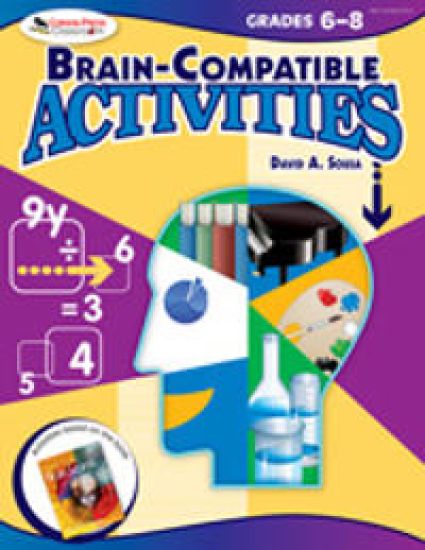
Brain-Compatible Activities, Grades 6-8

Brain-Compatible Activities, Grades 6-8

David A. Sousa

SAGE Publications Inc
2007
nidottu
A Corwin Press Classroom Activity Book"Practical, brain-compatible activities every elementary teacher can use! Brain research has provided a tremendous opportunity to develop instructional techniques that facilitate the brain's innate learning capacity. As educators, we can take this knowledge and apply it to the strategies we use in our classrooms. This essential resource, based on David A. Sousa's best-seller provides ready-to-use, brain-compatible activities that feature some of the following strategies:Graphic organizersMnemonic devicesCooperative learningMovement to enhance retentionMusic to stimulate brain activity and creativityThese activities, correlated with national standards, cover all the content areas in grades 6–8 and include topics such as vocabulary, characterization, percentages, word problems, family history, historical research, mitosis, chemical equations, and much more! The more we understand how the brain learns, the more instructional options we have. This unique resource helps you make the most of the brain's learning potential and transform your teaching practices to engage every student in your classroom. For other grade-specific Corwin Press Classroom books, please see:Brain-Compatible Activities, Grades K-2 Brain-Compatible Activities, Grades 3-5 About the AuthorDavid A. Sousa, an international educational consultant, has served at all levels of education in New Jersey public schools, including superintendent, supervisor of instruction, K–12 director of science, and junior and senior high school science instructor. Sousa has also been an adjunct professor of education at Seton Hall University, and a visiting lecturer at Rutgers University. Sousa has presented at national conventions of educational organizations and has conducted workshops on brain research and science education in hundreds of school districts and at colleges and universities across the United States, Canada, Europe, and Asia. He has edited science books and published numerous books and articles in leading educational journals on staff development, science education, and brain research. Sousa has a bachelor of science degree in chemistry from Massachusetts State College at Bridgewater, a master of arts in teaching degree in science from Harvard University, and a doctorate from Rutgers University.